

 EN
EN
 English
  中文简体
中文简体 Industry News
All articles
Industry News
What are the different formulations of insecticides?
In the fields of modern agriculture, public health, and urban pest management, the control of destructive insects is vital for securing food supplies, preventing vector-borne diseases, and protecting infrastructure. While synthetic chemistry has produced a vast array of potent chemical compounds capable of disrupting insect biology, these raw chemicals, which are technically known as active ingredients, are rarely usable in their pure, technical-grade state. Pure active ingredients are often highly concentrated crystals, sticky resins, or volatile oils that are insoluble in water, chemically unstable when exposed to sunlight, or highly toxic to handle in their raw form.
To transform these raw chemicals into safe, practical, and highly effective crop protection products, chemical manufacturers must undergo a sophisticated manufacturing process known as insecticide formulation. An insecticide formulation is a specific mixture of the active ingredient combined with various inert materials, such as liquid solvents, dry mineral carriers, emulsifiers, surfactants, and stabilizing agents.
The primary goal of creating a specific formulation is to ensure that the active ingredient can be easily diluted, safely handled, evenly distributed across target surfaces, and absorbed effectively by the target pests.
Selecting the most appropriate formulation requires a deep understanding of application equipment, environmental conditions, the behavior of the target pest, and the physical properties of the chemical itself.
This comprehensive guide explores the physical and chemical science of modern pesticide delivery, details the characteristics of various liquid and dry formulations, and provides practical guidelines for selection and safe application.
The Science of Insecticide Formulation
To evaluate the performance of different formulations, one must first analyze the physical and chemical interactions that occur when a technical chemical is blended with inert ingredients. The composition of these inert materials directly dictates how the product behaves in storage, inside the spray tank, and on the surface of plant foliage.
Active Ingredients versus Inert Materials
Every commercial pest control product contains two distinct categories of materials. The first is the active ingredient, which is the specific chemical compound responsible for disrupting the physiological systems of the target pest, leading to knockdown or mortality. The second category consists of inert materials, which are also referred to as co-formulants or adjuvants.
Inert materials do not possess insecticidal properties on their own, but they are essential for the delivery and stability of the active ingredient.
These materials include liquid solvents like aromatic hydrocarbons or water, dry carriers like clay, talc, or diatomaceous earth, and surfactants, which are surface-active agents designed to modify the physical properties of liquids.
Surfactants play a critical role as emulsifiers, which allow oil and water to mix, wetting agents, which help the spray droplets spread evenly across waxy leaf surfaces, and dispersants, which prevent solid particles from clumping together in the spray tank.
By adjusting the ratios and characteristics of these inert components, manufacturers can create diverse formulations tailored to specific application methods and environmental conditions.
Efficacy, Safety, and Target Surface Interaction
The choice of formulation directly influences how the insecticide interacts with both the target pest and the environment. Some formulations are designed for rapid, immediate absorption, whereas others are engineered for slow, controlled release over several weeks.
For instance, systemic insecticides, which must be absorbed by plant roots or foliage and translocated throughout the vascular system of the crop, require formulations that can penetrate thick, waxy leaf cuticles without causing chemical burns, a physiological damage known as phytotoxicity.
Furthermore, the physical state of the formulation affects user safety during handling and mixing.
Dry, dusty powders present a high inhalation hazard for operators, whereas liquid concentrates can pose a greater risk of dermal absorption through the skin if spilled.
Environmental safety is also a major design factor, as formulations must be engineered to minimize pesticide drift, which occurs when fine spray droplets are carried by the wind onto non-target areas, waterways, or beneficial insect habitats.
Liquid Insecticide Formulations
Liquid formulations remain the most widely used products in commercial agriculture and structural pest control. They are typically diluted with water and applied using pressurized hydraulic sprayers, offering excellent coverage and ease of calibration.
Emulsifiable Concentrates
An emulsifiable concentrate, which is widely abbreviated as EC, is a highly popular liquid formulation used for active ingredients that are insoluble in water but dissolve readily in organic solvents. The formulation consists of the active ingredient dissolved in a petroleum-derived organic solvent, combined with one or more emulsifiers.
When the concentrated liquid is added to a spray tank filled with water, the emulsifiers facilitate a spontaneous chemical dispersion, suspending microscopic oil droplets within the continuous water phase to form a stable, milky oil-in-water emulsion.
The primary advantage of EC formulations is their high active ingredient concentration, which reduces shipping weights and storage space requirements.
Additionally, the organic solvents utilized in ECs help the chemical penetrate the tough, waxy outer cuticles of leaves and the greasy chitinous exoskeletons of target insects, resulting in rapid knockdown and high biological efficacy.
However, EC formulations possess several significant drawbacks. The organic solvents often have a strong, unpleasant odor, can be highly flammable during storage, and are prone to causing phytotoxicity on sensitive crops during hot weather.
Furthermore, because the solvent-based emulsion is easily absorbed through human skin, ECs present a high dermal exposure risk for agricultural workers during mixing and application.
Suspension Concentrates
A suspension concentrate, which is commonly referred to as SC, is a water-based liquid formulation developed specifically for active ingredients that are solid at room temperature and insoluble in both water and organic solvents.
To create an SC, the solid technical chemical is subjected to wet-milling processes, grinding the particles down to a micronized size, typically between one and five micrometers. These ultra-fine solid particles are then suspended in a liquid medium, which is almost always water, with the help of specialized wetting agents, dispersants, and anti-settling rheology modifiers.
Because SC formulations are water-based, they contain virtually no volatile organic solvents, making them highly environmentally friendly, odorless, and completely non-flammable. They present a significantly lower risk of skin irritation and dermal absorption for operators compared to EC formulations, and they are highly gentle on crop foliage, minimizing the risk of phytotoxicity.
However, because SCs contain solid particles suspended in a liquid, they are susceptible to physical sedimentation over long storage periods.
If the product sits undisturbed in a warehouse for months, the solid particles can slowly settle to the bottom of the container, forming a hard clay-like layer that is extremely difficult to re-disperse, requiring thorough shaking and agitation before use.
Soluble Concentrates and Microencapsulated Suspensions
For active ingredients that dissolve completely in water, manufacturers produce soluble concentrates, which are referred to as SL. When an SL is added to the spray tank, it dissolves instantly to form a true, homogeneous liquid solution.
Because it is a true solution rather than an emulsion or suspension, the mixture remains completely stable indefinitely, requires zero agitation in the tank, and will never clog spray nozzles or inline filters.
However, the use of SL formulations is strictly limited by the chemical properties of the active ingredient, as very few modern insecticidal compounds possess high water solubility while remaining chemically stable in an aqueous environment.
A highly advanced alternative is the microencapsulated suspension, which is often designated as CS. In a CS formulation, the active ingredient, whether liquid or solid, is encased within microscopically small polymer shells suspended in water.
Once the spray mixture is applied to the target area, the water evaporates, leaving the microcapsules behind on the foliage or soil.
The active ingredient then slowly diffuses through the polymer walls over several days or weeks, providing extended residual control and reducing the frequency of applications.
Additionally, because the active chemical is physically isolated inside the polymer shell during handling, CS formulations exhibit remarkably low dermal and inhalation toxicity to humans, making them highly suitable for pest control in residential zones, schools, and hospitals.
Solid and Dry Insecticide Formulations
Dry formulations are preferred for specific agricultural practices and structural pest control environments where liquid sprays are impractical or where extended soil stability is required.
Wettable Powders
A wettable powder, commonly called WP, is a dry, finely ground formulation that has been used in crop protection for generations. The formulation is created by blending the solid active ingredient with a highly absorbent dry mineral carrier, such as kaolin clay, synthetic silica, or talc, along with specialized dry wetting and dispersing agents.
When the dry powder is added to the water in a spray tank, the wetting agents allow the powder to absorb water rapidly, and the dispersants facilitate the suspension of the solid particles, creating a uniform, milky suspension that must be applied using pressurized sprayers.
While WP formulations are highly cost-effective to manufacture and offer excellent chemical stability during long-term storage in cardboard or plastic bags, they introduce serious practical challenges.
Measuring and pouring a dusty WP powder into a spray tank creates a localized cloud of chemical dust, presenting a severe inhalation hazard for the operator.
Furthermore, because WP formulations form a physical suspension of solid mineral particles in water, they require continuous mechanical agitation within the spray tank to prevent the powder from settling to the bottom.
These abrasive mineral particles can also cause significant physical wear and tear on spray pump impellers, pressure regulators, and nozzle orifices, gradually enlarging the nozzle opening and disrupting calibration accuracy.
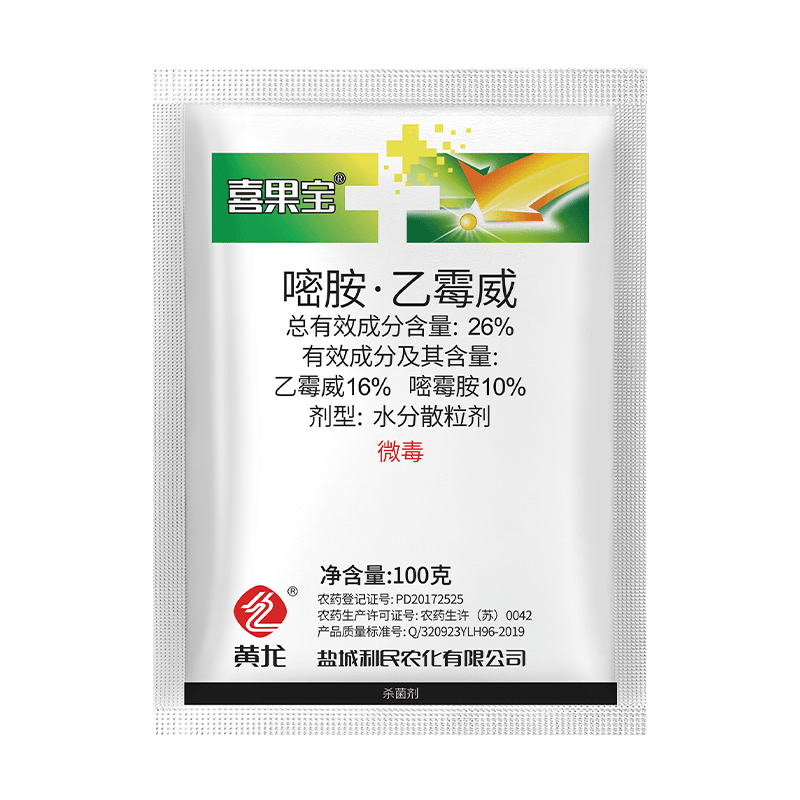
Water Dispersible Granules
To address the inhalation hazards associated with dusty wettable powders, chemical engineers developed water dispersible granules, which are commonly known as WDG or dry flowables, designated as DF.
A WDG formulation consists of dry, granular pellets that are manufactured by agglomerating finely ground active ingredients and mineral carriers with water-soluble binders.
When these dry granules are poured into the spray tank, the water-soluble binders dissolve instantly, causing the granules to disintegrate and disperse rapidly throughout the water phase to form a stable suspension.
The primary benefit of WDG formulations is that they are virtually dust-free, significantly reducing the risk of inhalation exposure for the agricultural worker during the measuring and loading process.
They flow easily out of containers like dry seeds, are highly convenient to measure by volume or weight, and disperse smoothly in water without forming clumps.
Additionally, because they are dry granules, they do not suffer from the cold weather freezing or physical separation issues that can plague liquid concentrates during winter storage.
However, like WPs, once dispersed in the spray tank, they form a physical suspension of solid particles, requiring constant mechanical agitation to maintain a uniform concentration throughout the application process.
Dustable Powders and Granular Insecticides
Dustable powders, known as DP, are ready-to-use dry formulations with a low active ingredient concentration, typically ranging between one and ten percent, blended with a heavy dry carrier like talc or volcanic ash.
Unlike WPs and WDGs, DPs are designed to be applied dry using specialized hand dusters or motorized bellows, and they must never be mixed with water.
Dustable powders are highly effective for localized structural pest control, allowing operators to blow the dry powder deep into wall voids, electrical boxes, and narrow crevices where crawling insects hide.
However, because the powder particles are extremely lightweight, they are highly prone to environmental drift, making outdoor agricultural applications of dustable powders highly restricted due to the risk of contaminating non-target foliage and residential zones.
Granular insecticides, designated as GR, are ready-to-use dry formulations constructed from large, solid particles that are coated with or have absorbed the active chemical compound.
The carriers used to manufacture granules are relatively heavy, organic or mineral substances, including clay pellets, crushed corn cobs, walnut shells, or vermiculite.
Granules are applied dry using mechanical spreaders, typically onto the soil surface or incorporated directly into the planting furrow.
Because the granules are heavy, they have virtually zero drift risk and do not stick to wet foliage, allowing the chemical to fall straight to the ground where it can dissolve slowly in rainwater or soil moisture.
This targeted delivery makes GR formulations highly safe for beneficial foliage insects like bees and ladybugs, while providing excellent, long-term systemic control against soil-dwelling pests like rootworms and grubs.
Comprehensive Evaluation of Insecticide Formulation Characteristics
The following table provides a qualitative, comparative analysis of the primary insecticide formulations used in agricultural and structural pest control, highlighting their physical properties, application challenges, and safety profiles.
|
Formulation Type |
Primary Physical State |
Relative Inhalation Hazard |
Dermal Absorption Risk |
Storage Temperature Sensitivity |
Sprayer Agitation Requirement |
|---|---|---|---|---|---|
|
Emulsifiable Concentrate (EC) |
Solvent-based liquid concentrate |
Low; unless misted in confined spaces |
Exceptionally high; solvent penetrates skin quickly |
Moderate; must be protected from freezing |
Low; forms a highly stable spontaneous emulsion |
|
Suspension Concentrate (SC) |
Water-based liquid suspension |
Low; completely wet formulation |
Moderate; lacks aggressive organic solvents |
High; freezing can cause irreversible separation |
Moderate; requires mild agitation to prevent settling |
|
Wettable Powder (WP) |
Finely ground dry powder |
Exceptionally high; creates toxic chemical dust |
Low; during dry handling phases |
Low; dry powder is highly stable across temperatures |
Very high; requires continuous mechanical agitation |
|
Water Dispersible Granule (WDG) |
Dry agglomerated pellets |
Low; dry granules are virtually dust-free |
Low; easy to contain and clean if spilled |
Low; highly resistant to extreme hot and cold |
Very high; requires continuous mechanical agitation |
|
Granular Insecticide (GR) |
Heavy solid dry particles |
Low; particles are too heavy to become airborne |
Low; active ingredient is bound to heavy carrier |
Low; highly stable in dry storage environments |
None; applied completely dry with mechanical spreaders |
Practical Considerations for Selecting and Mixing Formulations
Achieving optimal pest control requires careful attention to the chemical and physical compatibility of different formulations within the spray tank, as well as an understanding of environmental factors that influence application success.
Compatibility and Tank Mixing Protocols
In modern agricultural practices, operators frequently seek to save time, labor, and fuel by combining multiple crop protection products into a single spray tank application. This process is known as tank mixing.
However, mixing different insecticide formulations can introduce serious physical or chemical compatibility issues if the components are not combined in the correct sequence.
Physical incompatibility occurs when different formulations react to form a thick gel, curdled clumps, or flaky precipitates that instantly clog spray hoses and nozzle filters, requiring labor-intensive cleanup.
Chemical incompatibility occurs when the ingredients react to degrade the active compounds, reducing the pest control efficacy or causing severe phytotoxicity to the crop.
To prevent physical clumping, installers must adhere to a strict, universally accepted mixing order when adding different formulations to the water.
The general rule of thumb for tank mixing follows the W-A-M-L-E-S sequence, which dictates the order based on the physical dispersion requirements of each formulation.
Before attempting a full-scale tank mix, operators should always perform a simple physical compatibility test, commonly referred to as a jar test.
To conduct a jar test, combine proportional amounts of each formulation with water inside a clean, transparent glass jar, shake the mixture vigorously, and let it sit undisturbed for fifteen minutes.
If the mixture remains uniform without any separation, clumping, heat generation, or sedimentation, the formulations are physically compatible and can be safely mixed in the main spray tank.
Environmental Conditions and Drift Mitigation
The environmental conditions during application can heavily influence the behavior of different insecticide formulations, directly affecting both the safety of neighboring properties and the biological efficacy of the chemical.
Wind speed, relative humidity, and ambient temperature are the primary variables that operators must monitor continuously.
When applying liquid sprays, particularly solvent-based EC formulations, high wind speeds will carry the fine mist droplets away from the target field, resulting in pesticide drift that can damage nearby organic crops, contaminate residential water supplies, or kill non-target organisms in wildlife habitats.
To mitigate drift, operators must select specialized spray nozzles that generate a larger, heavier droplet size, which falls to the crop canopy quickly even in light breezes.
Furthermore, high temperatures and low relative humidity accelerate the evaporation rate of liquid droplets as they travel from the spray nozzle to the leaf surface.
If a water-based SC or SL droplet evaporates too quickly, the active ingredient can dry into a solid chemical dust before it makes contact with the foliage, which is then carried away by the wind as dry drift.
In extremely hot weather, applying systemic or oil-based insecticides should be avoided, as the combination of intense sunlight and solvent-based formulations can cause severe scorching and chemical damage to the crop leaves, compromising the physiological health of the plant and reducing yield potential.
Special Considerations for Soil and Structural Applications
Soil-applied insecticides and structural treatments require different application methodologies compared to foliar sprays. For soil applications, granular insecticides are the preferred choice, as they do not stick to the crop leaves and are highly stable under environmental conditions.
When the granules are applied to the soil, they remain inert until water, either from rainfall or irrigation, dissolves the outer coating, releasing the active ingredient directly into the root zone where it can be absorbed by the plant.
This slow-release mechanism provides extended protection against soil-dwelling pests without requiring frequent reapplication.
In structural pest control, particularly inside residential homes and commercial food processing facilities, the use of liquid sprays must be carefully managed to prevent food contamination and minimize chemical exposure to humans.
In these sensitive environments, pest control operators rely heavily on highly targeted formulations such as insecticidal baits and microencapsulated suspensions.
Baits are designed to be consumed by the pest, completely eliminating the risk of airborne chemical exposure, while microencapsulated formulations provide a highly durable, low-toxicity residue on structural surfaces that remains active against crawling insects for months, ensuring consistent, long-term pest management with minimal environmental impact.
Related News

Contact info.
 Tel: +0086(515)88719699
 Phone: +86-18261226148
 E-mail: limin@chinapesticides.com
 Add: 21F & 22F, Jinhang Fortune Building, No. 988 Luming Road, Yancheng City, Jiangsu Province, China
Im.&Ex. Departemt
Tel:+0086(515)88356821
E-mail:
lany@chinapesticides.comylj@chinapesticides.com
sales6@chinapesticides.com
ivan@chinapesticides.com
Follow Us
Get a Free Quote
Copyright © Yancheng Limin Chemical Co., Ltd. All Rights
Reserved
 Wholesale Agrochemical Manufacturers