
 EN
EN
 English
  中文简体
中文简体 Fungicide Technical Wholesale
Products
ABOUT LIMIN CHEMICAL
Yancheng Limin Chemical Co., Ltd.

The story of Limin Group began more than three decades ago, on the fertile soil of China. It was an era calling for agricultural modernization, when food security became a national imperative. Our founding was no coincidence—it was a response to the times: harnessing technology to protect crops, and responsibility to safeguard the granary. From a small team of dozens to a global enterprise spanning five continents, we have always believed that agriculture is not merely an industry—it is the foundation of human survival.
As China Fungicide Technical Manufacturers and Fungicide Technical Suppliers, our R&D centers in China, Europe, South America, Southeast Asia, and Africa employ over 200 scientists, tackling challenges in green synthesis, microencapsulation, and biological pest control. With more than 150 core patents, Limin commands a strong voice in the global agrochemical sector, and our involvement in FAO/WHO international pesticide standards has brought "Chinese innovation" to the center of the world stage.
Today, Yangcheng Limin's products serve over 80 countries, protecting more than 6.6 million hectares of farmland. We are not just providers of crop protection—we are guardians of global food security. From the arid lands of Africa, to the highlands of South America, to the rice fields of Southeast Asia—our footprints and commitments are everywhere.
As China Fungicide Technical Manufacturers and Fungicide Technical Suppliers, our R&D centers in China, Europe, South America, Southeast Asia, and Africa employ over 200 scientists, tackling challenges in green synthesis, microencapsulation, and biological pest control. With more than 150 core patents, Limin commands a strong voice in the global agrochemical sector, and our involvement in FAO/WHO international pesticide standards has brought "Chinese innovation" to the center of the world stage.
Today, Yangcheng Limin's products serve over 80 countries, protecting more than 6.6 million hectares of farmland. We are not just providers of crop protection—we are guardians of global food security. From the arid lands of Africa, to the highlands of South America, to the rice fields of Southeast Asia—our footprints and commitments are everywhere.
-
40
Year of Industry Experience
-
100+
Varieties of Pesticides
-
150+
Core Patents
-
80+
Products to Serve Countries
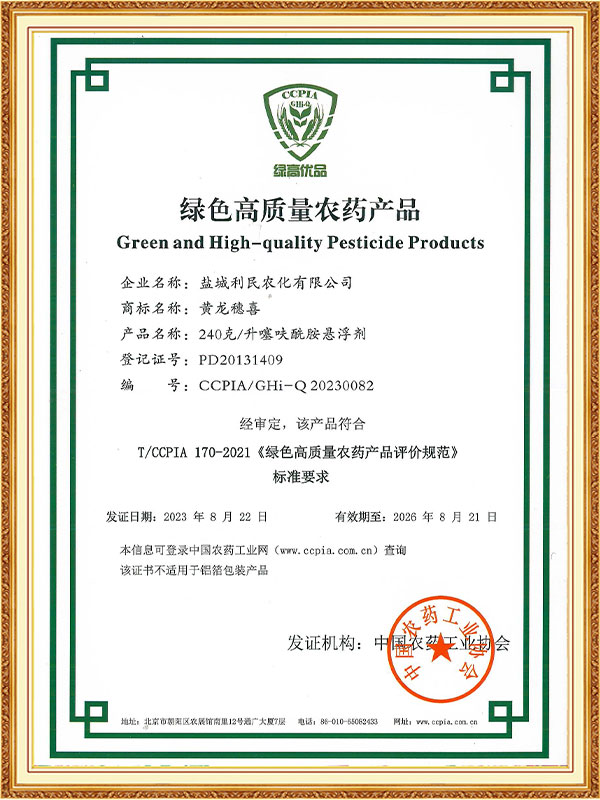
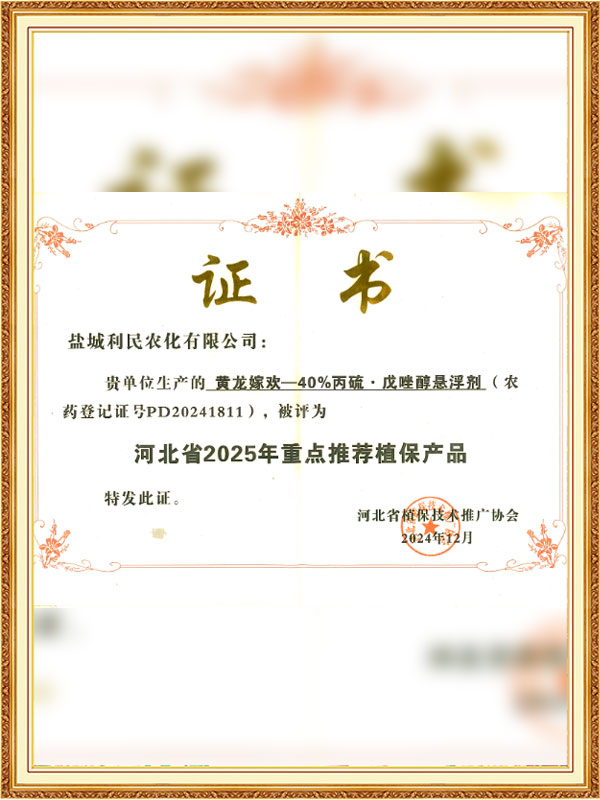
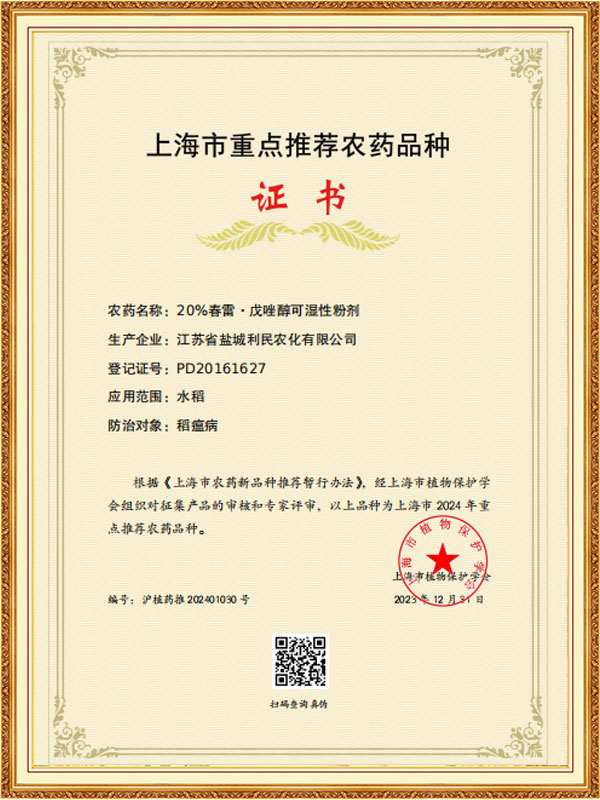
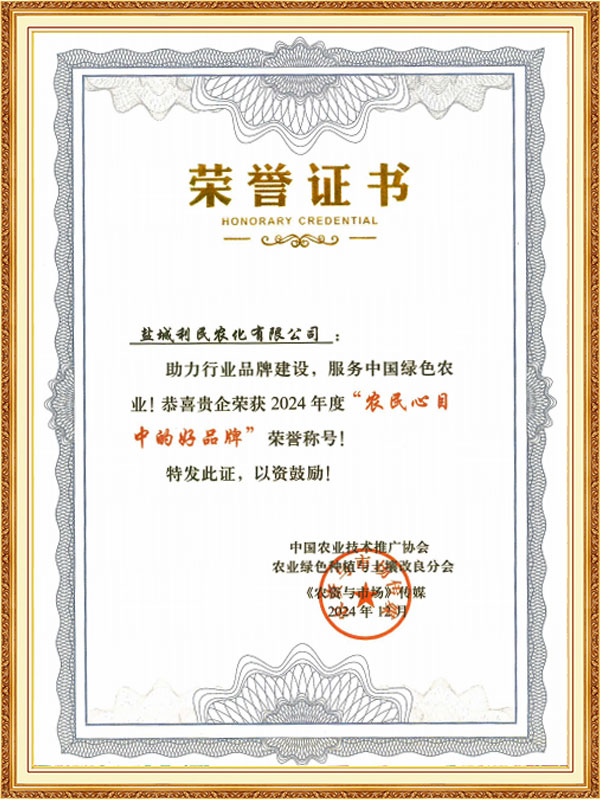
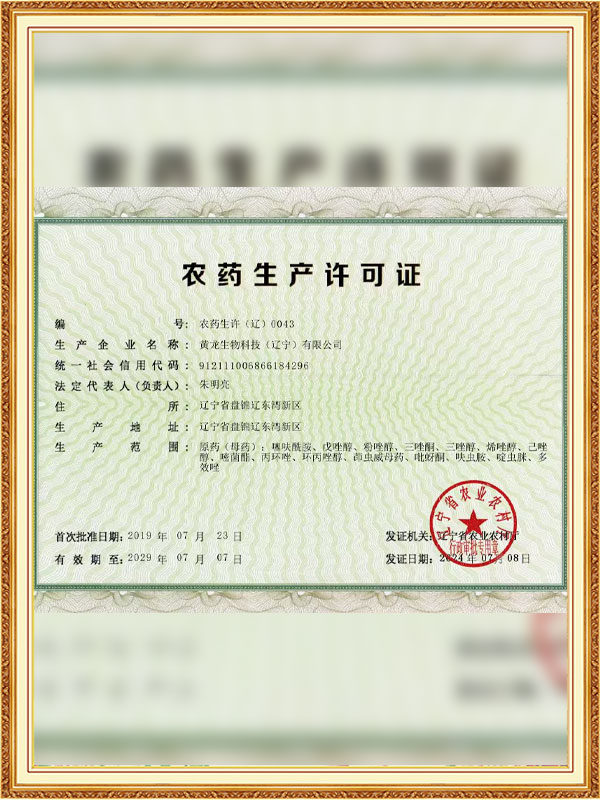
CERTIFICATES
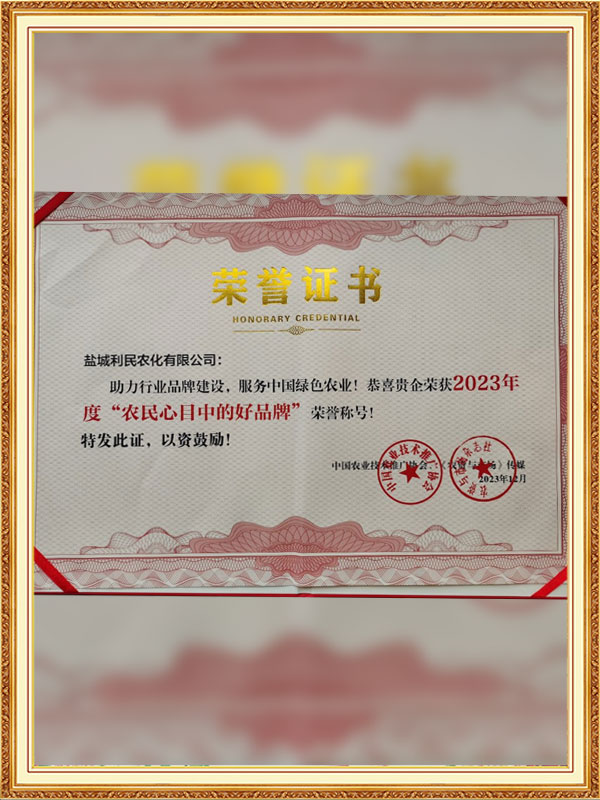
The Honor
We Have Received.
We Have Received.
We have independent intellectual property rights of efficient green pesticide new products, by the State Intellectual Property Office awarded the "national intellectual property advantage enterprise"
News
-
A procurement manager in northern Jiangsu opens a quotation sheet for a 20-hectare vegetable programme and sees four lines: a pyrethroid blend, a neonicotinoid, an organophosphate mixture and something labelled "IGR". Same pest pressure, four chemical families, four very different pre-harvest intervals, four different...
READ MORE -
If a procurement team asks which liquid pesticide formulation can approach 100% active ingredient, the honest answer is that few registered end-use liquids reach that level. The closest practical candidates are ultra-low-volume (ULV) formulations, technical concentrates used as manufacturing inputs, and a narrow group...
READ MORE -
Open a label in any agrochemical warehouse and the first thing a new buyer reads is the name of the active ingredient. Ten minutes later, the same buyer is looking at a small suffix — EC, SC, WDG, EW, WP — and asking whether it matters. It matters a great deal. The formulation of a pesticide decides how easily the pro...
READ MORE
Industry Knowledge
Fungicide Technical: Exploring the Progress and Application of Fungicide Technology with Limin Group
As global agricultural production continues to develop, the innovation of crop protection technologies, particularly fungicide technology, has become a crucial means of ensuring food security and increasing crop yields. Fungicides are widely used to control various crop diseases, especially fungal diseases such as rust, powdery mildew, and root rot. These diseases not only threaten crop health but also directly impact agricultural economic stability. In this regard, Limin Group, one of China's leading agricultural technology companies, has become an important force in the global crop protection sector, thanks to its advanced R&D capabilities and innovative products.
1. The Evolution of Fungicide Technology
Fungicides are chemicals used to inhibit or eliminate fungi by chemical or biological means. Their mechanisms of action primarily involve inhibiting the synthesis of fungal cell walls or disrupting fungal metabolic processes. Based on their mechanism, fungicides can be classified into various types, such as contact, systemic, and protective fungicides. Contact fungicides work by directly contacting the fungi and providing quick disease control, while systemic fungicides spread through the plant's vascular system, offering prolonged effectiveness.
Over the past few decades, fungicide technical has advanced from inorganic chemicals (such as sulfur and copper) to more effective, selective chemicals. As one of China’s leading agricultural enterprises, Limin Group has always been at the forefront of fungicide technology, launching a series of efficient, safe, and eco-friendly crop protection products.
The Application and Advantages of Triazole Fungicides
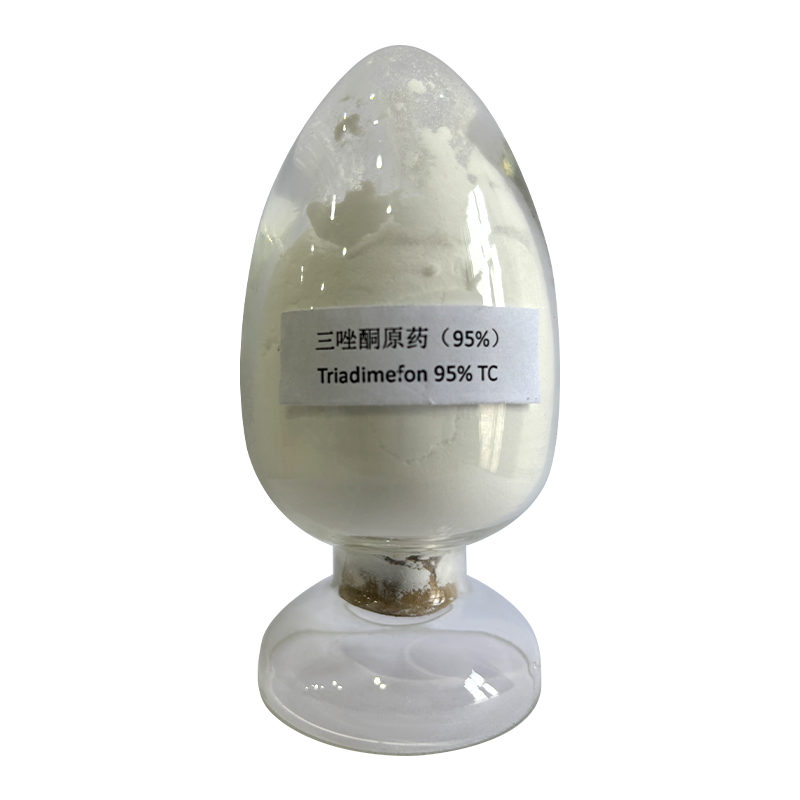
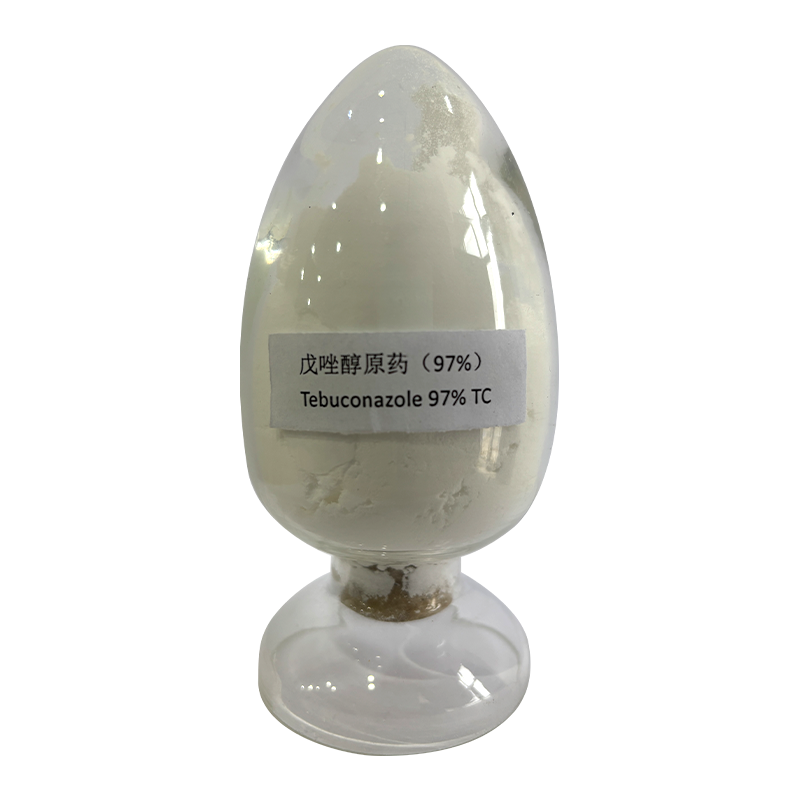
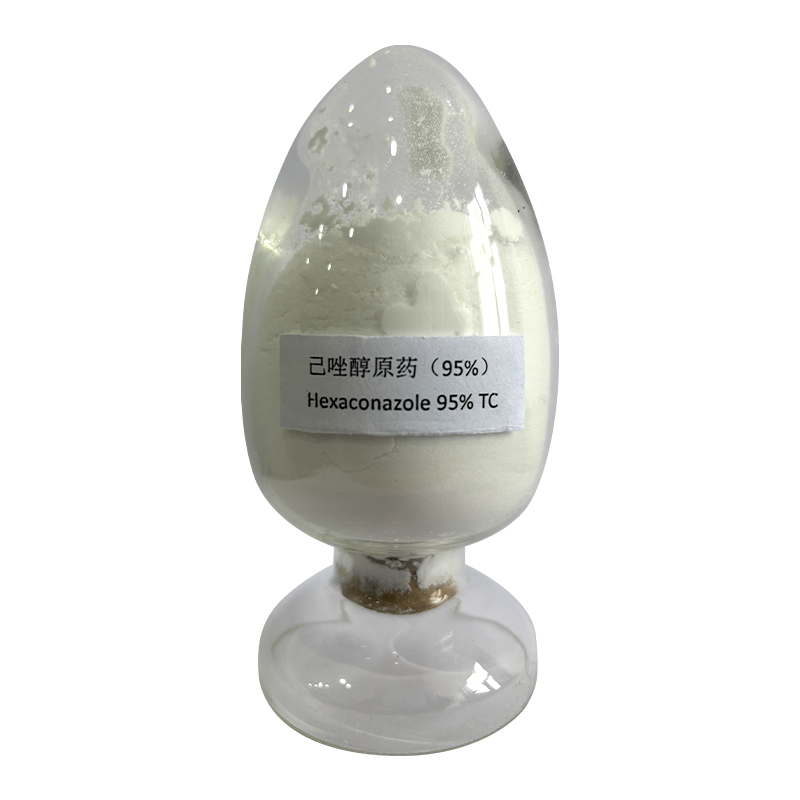
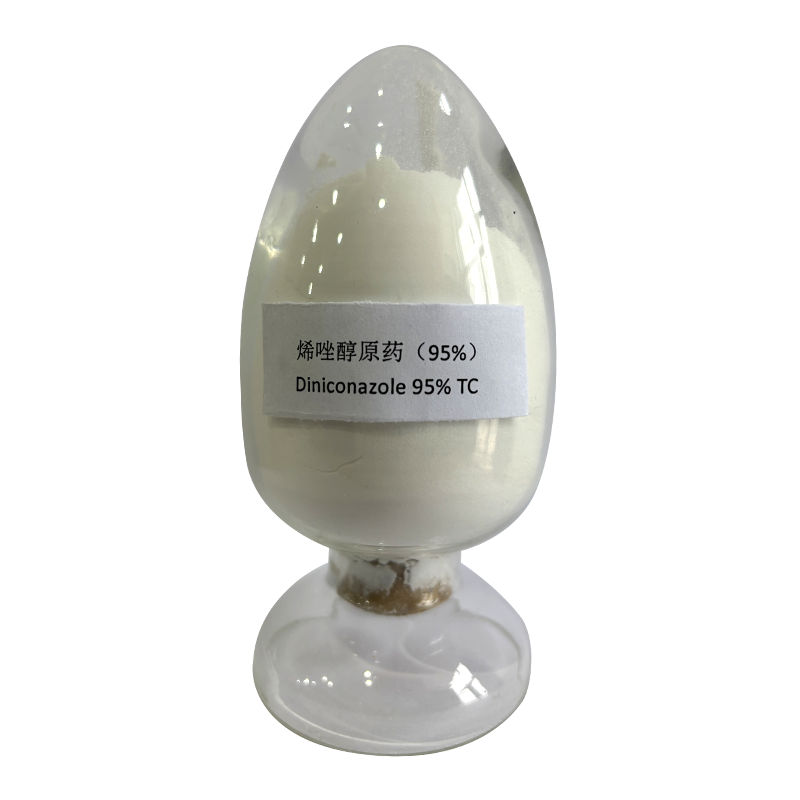
Triazole fungicides, known for their high efficacy and broad-spectrum activity, have become the primary tools for controlling fungal diseases. Triazole fungicides inhibit the synthesis of fungal cell membranes by targeting the sterol demethylation process, interfering with fungal growth and reproduction. These fungicides are widely used in seed treatment and foliar spraying and can effectively control diseases such as rust, powdery mildew, web blotch, root rot, head blight, smut, seed-borne ring spot, and early rice sheath blight.
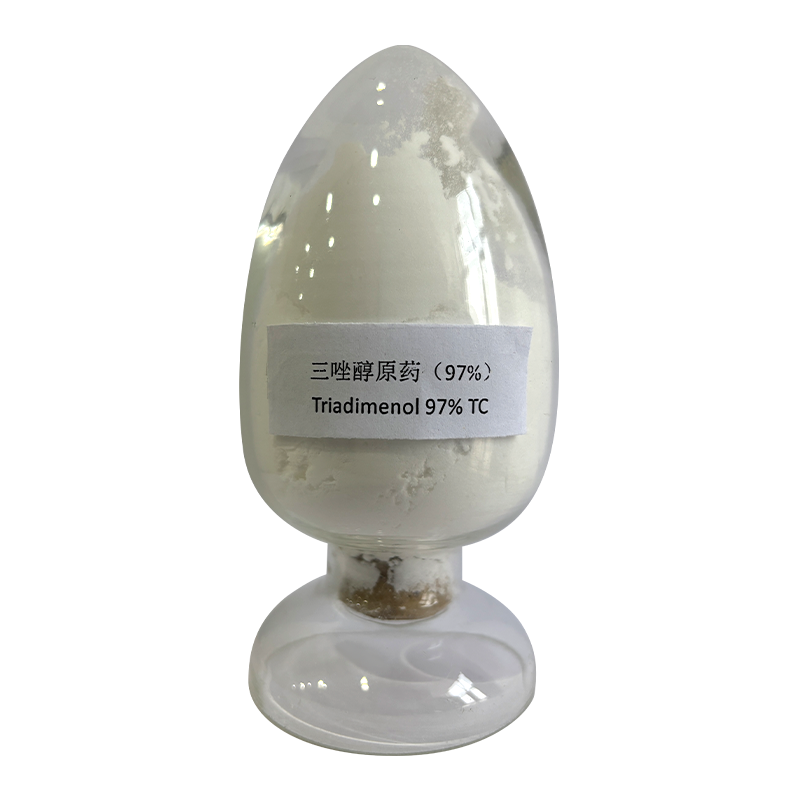
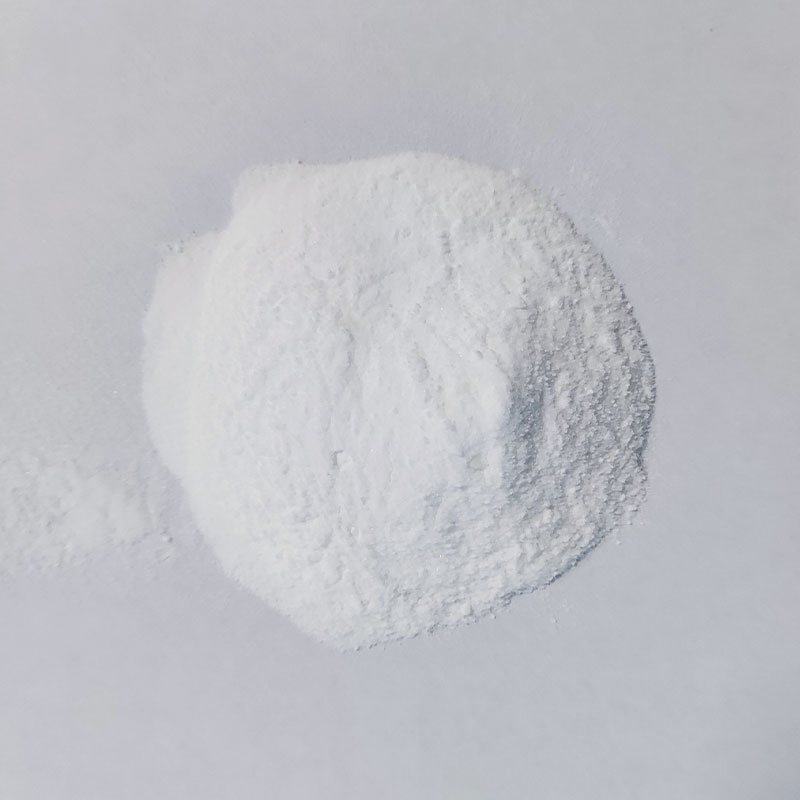
For example, Limin Group’s triazole fungicide, a colorless or off-white crystalline substance with a melting point of 102.4°C and a vapor pressure of 0.0133 mPa (20°C), demonstrates excellent physical and chemical properties. Its solubility in water is 32 mg/L, and in toluene, it ranges from 50-100 g/L (20°C). These characteristics make the product stable under various environmental conditions, ensuring effective protection of crops against fungal diseases.
2. Limin Group’s R&D and Technological Innovations
Limin Group’s R&D centers are located in China, Europe, South America, Southeast Asia, and Africa, employing over 200 scientists who focus on green synthesis, microencapsulation, and biological pesticide development. Through these innovations, Limin Group has not only achieved significant breakthroughs in technology but also secured more than 150 core patents, solidifying its position as a leader in the global agrochemical sector.
As one of the world’s leading agricultural technology companies, Limin Group maintains close cooperation with international research institutions, universities, and agricultural organizations. Our R&D teams work with these entities to develop more eco-friendly pesticide products, aiming to reduce the environmental impact of chemical pesticides and promote sustainable agriculture.
2.1 Breakthroughs in the Development of Triazole Fungicides
As a typical sterol demethylation inhibitor, triazole fungicides have broad application prospects. Limin Group’s innovations in this field focus not only on improving fungicide efficacy but also on reducing environmental impact. By adopting green synthesis and microencapsulation technologies, Limin Group has enhanced the effectiveness of the products while reducing their environmental burden.
Microencapsulation technology ensures that the active ingredients are evenly distributed on the crop surface, extending the fungicide’s residual effect and reducing pesticide usage. This technology enables crops to receive continuous protection throughout their growth cycle, reducing the need for repeated applications and minimizing the environmental impact of pesticides.
2.2 The Wide Application and Global Impact of Products
Limin Group’s fungicide products are not only significant in the Chinese market but are also exported to over 80 countries worldwide. Whether in the arid lands of Africa or the humid rice fields of Southeast Asia, Limin Group’s fungicides play a crucial role in helping farmers control fungal diseases and ensure food security.
2.3Global Supply Chain and Manufacturing Capabilities
Limin Group has established a robust global supply chain and manufacturing base. Several production facilities in China use advanced production technologies to ensure the quality and stability of fungicide products. At the same time, Limin Group maintains close cooperation with regional suppliers and partners to ensure that global agricultural markets can promptly meet the demand for crop protection products.
The manufacturing facilities not only focus on product efficiency and safety but also strictly adhere to environmental standards, minimizing the negative impact on the environment during production.
3. The Application and Market Outlook of Triazole Fungicides
Triazole fungicides are widely used to protect various crops, especially key economic crops such as rice, wheat, maize, and soybeans. These fungicides not only effectively control fungal diseases but also enhance the disease resistance of crops and promote healthy growth.
The following table outlines the application of triazole fungicides in different crops:
| Crop Type | Major Diseases | Application Methods | Control Effects |
|---|---|---|---|
| Rice | Early rice sheath blight, Powdery mildew | Seed treatment, Foliar spraying | Effective control of fungal diseases |
| Wheat | Rust, Powdery mildew | Foliar spraying | Increases disease resistance |
| Maize | Root rot, Head blight | Seed treatment, Soil treatment | Reduces disease spread |
| Soybeans | Rust, Powdery mildew | Foliar spraying | Enhances crop health |
3.1 Market Trends and Future Development
As global populations increase and agricultural demands rise, the fungicide market is expected to continue expanding. In the future, pesticide products will place greater emphasis on eco-friendliness and sustainability. Limin Group will continue to strengthen R&D in green synthesis and biological pesticides, launching safer, more efficient, and eco-friendly products to meet the growing global market demand.
3.2Demand in Emerging Markets
In emerging markets, particularly in Africa and South America, the demand for fungicides has gradually increased due to the advancement of agricultural modernization. Limin Group, with its strong R&D capabilities and global supply chain advantages, has established a solid market base in these regions, providing farmers with efficient crop protection products.
4. Future Trends in Fungicide Technology
With the increasing awareness of environmental protection and the need for sustainable agriculture, biological pesticides (such as microbial fungicides) are gradually becoming an important trend in the fungicide market. Biological pesticides control diseases through natural ingredients, reducing environmental pollution. Limin Group’s investment and research in this field will promote the widespread application of biological pesticides in agricultural production.
Biological pesticides not only effectively control fungal diseases but also form a better symbiotic relationship with the environment and crops. Compared to traditional chemical pesticides, biological pesticides have a smaller impact on non-target organisms, making them increasingly popular among farmers.
Precision Agriculture and Smart Spraying Technology
With the development of precision agriculture, smart spraying technology is gradually transforming how pesticides are applied. By using drones, sensors, and big data analysis, farmers can apply pesticides more precisely, reducing pesticide usage and improving the efficiency of crop protection. Limin Group is also exploring ways to integrate smart technologies with traditional fungicide products to further improve pesticide application efficiency and eco-friendliness.

Contact info.
 Tel: +0086(515)88719699
 Phone: +86-18261226148
 E-mail: limin@chinapesticides.com
 Add: 21F & 22F, Jinhang Fortune Building, No. 988 Luming Road, Yancheng City, Jiangsu Province, China
Im.&Ex. Departemt
Tel:+0086(515)88356821
E-mail:
lany@chinapesticides.comylj@chinapesticides.com
sales6@chinapesticides.com
ivan@chinapesticides.com
Follow Us
Get a Free Quote
Copyright © Yancheng Limin Chemical Co., Ltd. All Rights
Reserved
 Wholesale Fungicide Technical Manufacturers