

 EN
EN
 English
  中文简体
中文简体 Plant Growth Regulator Formulation Wholesale
Products
Plant Growth Regulator Formulation Suppliers
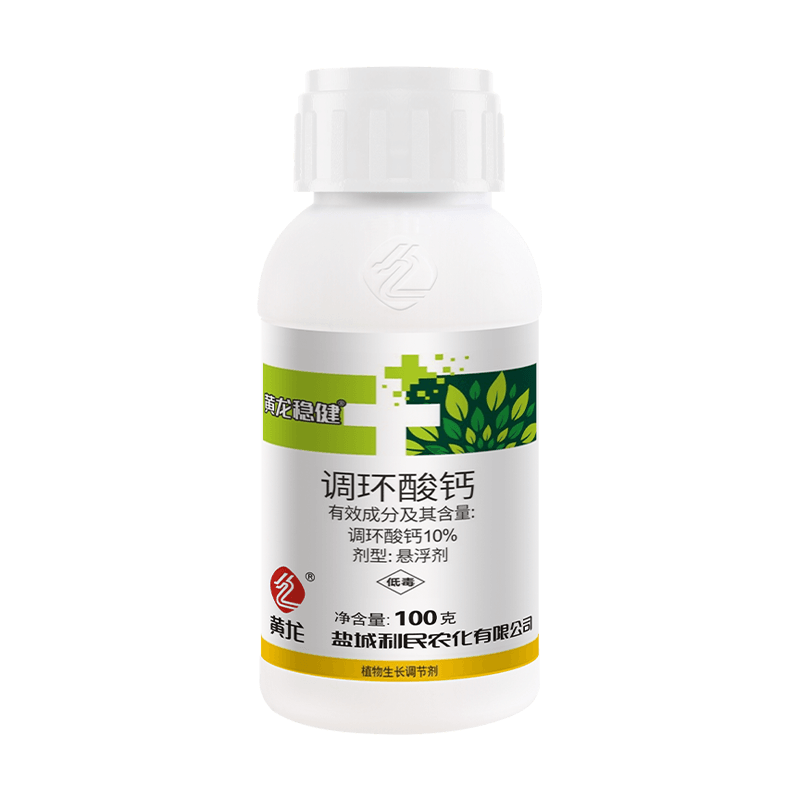
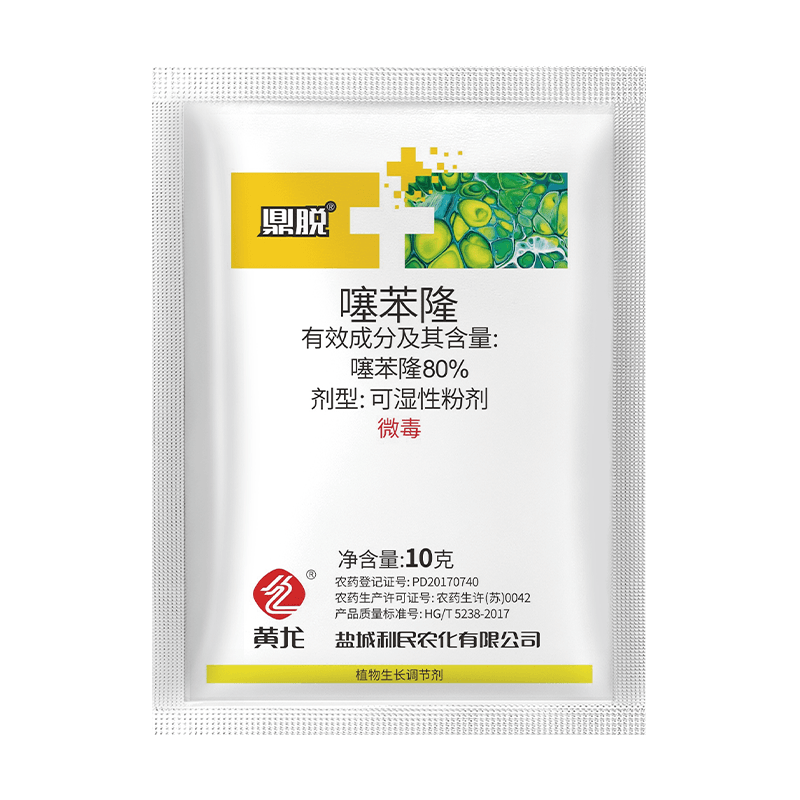
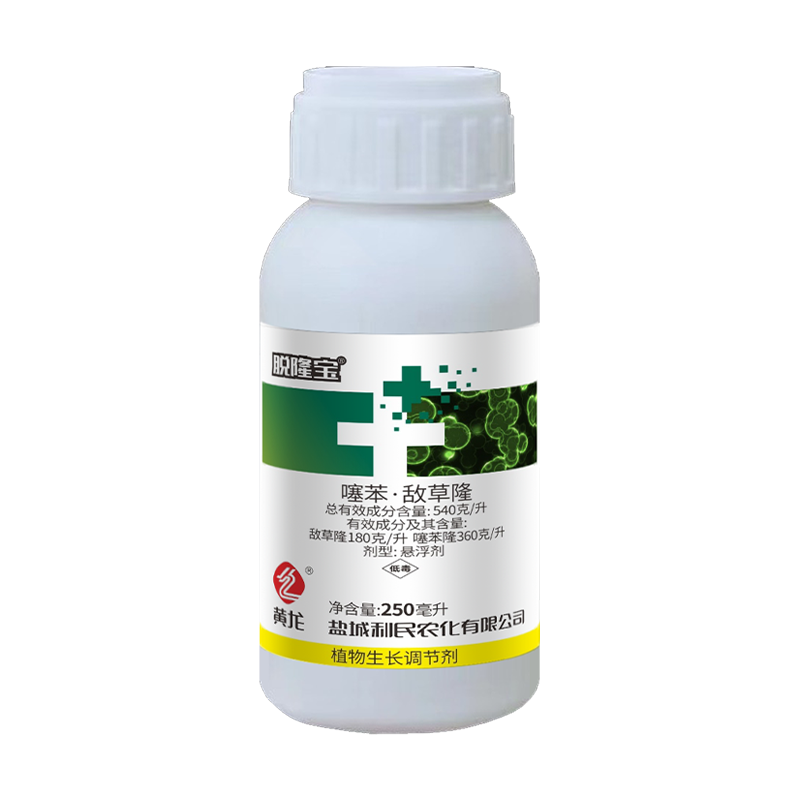
Plant Growth Regulator Formulation are a class of substances with physiological and biochemical effects similar to plant hormones. By stimulating, inhibiting, or blocking hormone receptors, PGRs induce localized or transient fluctuations in cellular or electrolyte exchange within plants, increasing or decreasing the status of specific hormones. PGRs not only increase crop yields but also enhance stress resistance and improve quality, playing a significant role in extending product shelf life and advancing crop breeding.
ABOUT LIMIN CHEMICAL
Yancheng Limin Chemical Co., Ltd.

The story of Limin Group began more than three decades ago, on the fertile soil of China. It was an era calling for agricultural modernization, when food security became a national imperative. Our founding was no coincidence—it was a response to the times: harnessing technology to protect crops, and responsibility to safeguard the granary. From a small team of dozens to a global enterprise spanning five continents, we have always believed that agriculture is not merely an industry—it is the foundation of human survival.
As China Plant Growth Regulator Formulation Manufacturers and Plant Growth Regulator Formulation Suppliers, our R&D centers in China, Europe, South America, Southeast Asia, and Africa employ over 200 scientists, tackling challenges in green synthesis, microencapsulation, and biological pest control. With more than 150 core patents, Limin commands a strong voice in the global agrochemical sector, and our involvement in FAO/WHO international pesticide standards has brought "Chinese innovation" to the center of the world stage.
Today, Yangcheng Limin's products serve over 80 countries, protecting more than 6.6 million hectares of farmland. We are not just providers of crop protection—we are guardians of global food security. From the arid lands of Africa, to the highlands of South America, to the rice fields of Southeast Asia—our footprints and commitments are everywhere.
As China Plant Growth Regulator Formulation Manufacturers and Plant Growth Regulator Formulation Suppliers, our R&D centers in China, Europe, South America, Southeast Asia, and Africa employ over 200 scientists, tackling challenges in green synthesis, microencapsulation, and biological pest control. With more than 150 core patents, Limin commands a strong voice in the global agrochemical sector, and our involvement in FAO/WHO international pesticide standards has brought "Chinese innovation" to the center of the world stage.
Today, Yangcheng Limin's products serve over 80 countries, protecting more than 6.6 million hectares of farmland. We are not just providers of crop protection—we are guardians of global food security. From the arid lands of Africa, to the highlands of South America, to the rice fields of Southeast Asia—our footprints and commitments are everywhere.
-
40
Year of Industry Experience
-
100+
Varieties of Pesticides
-
150+
Core Patents
-
80+
Products to Serve Countries
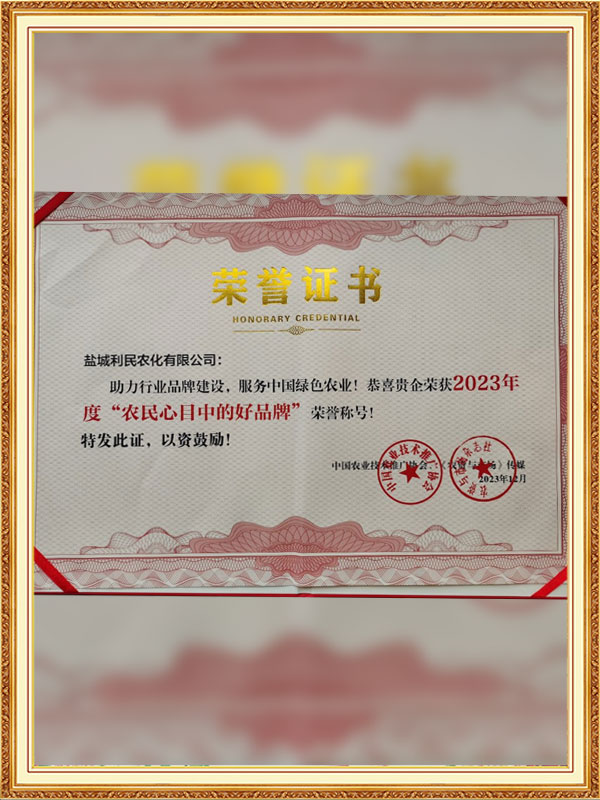
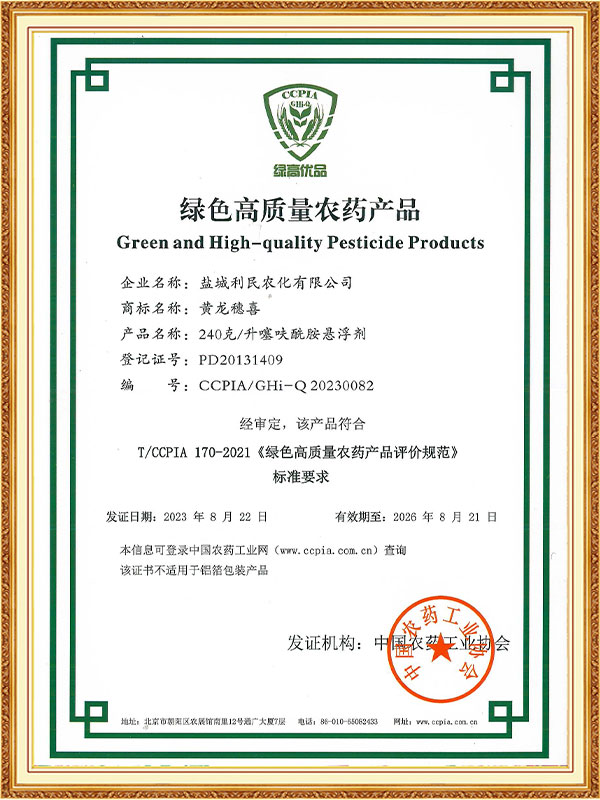
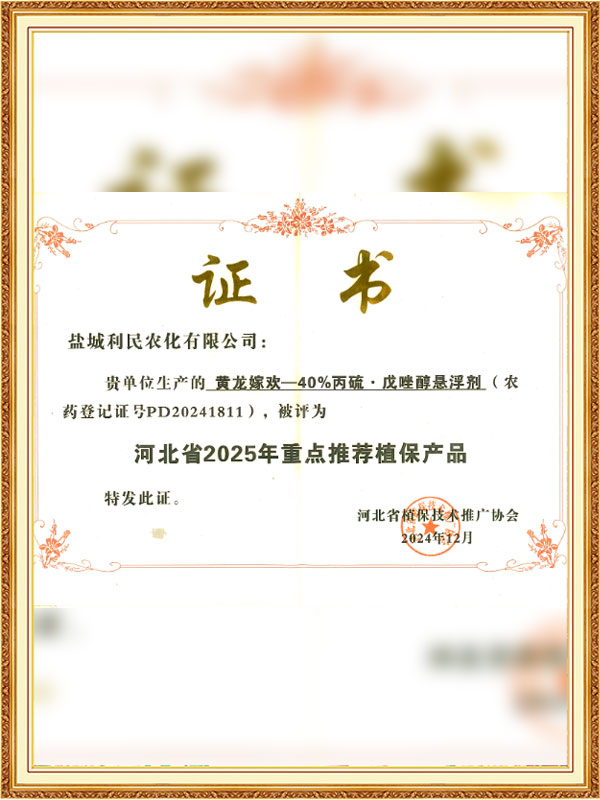
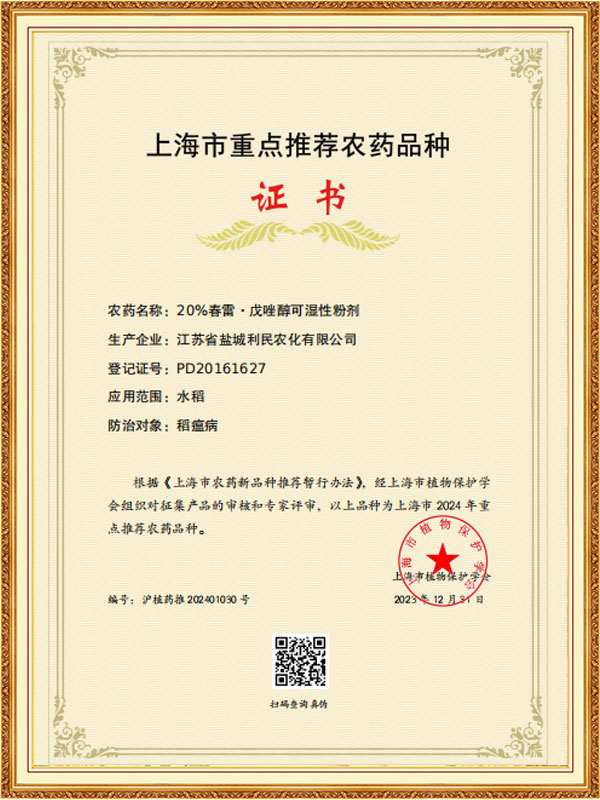
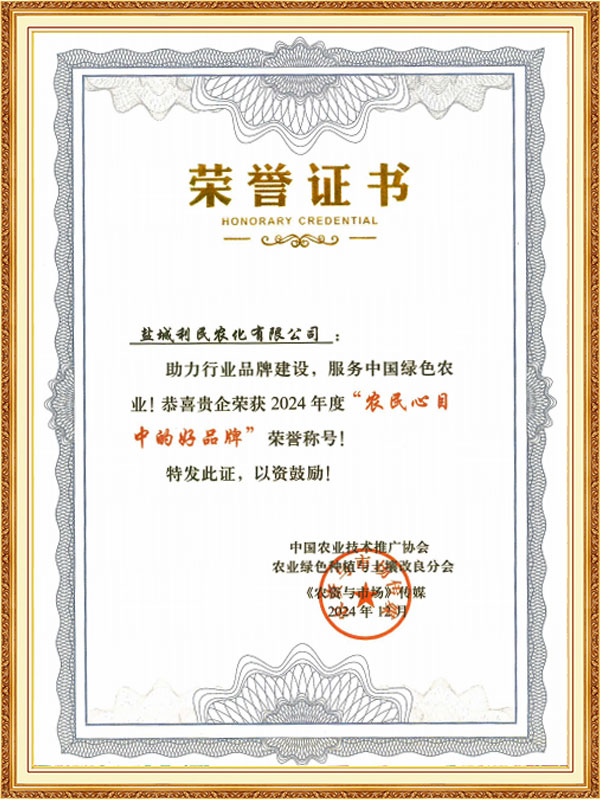
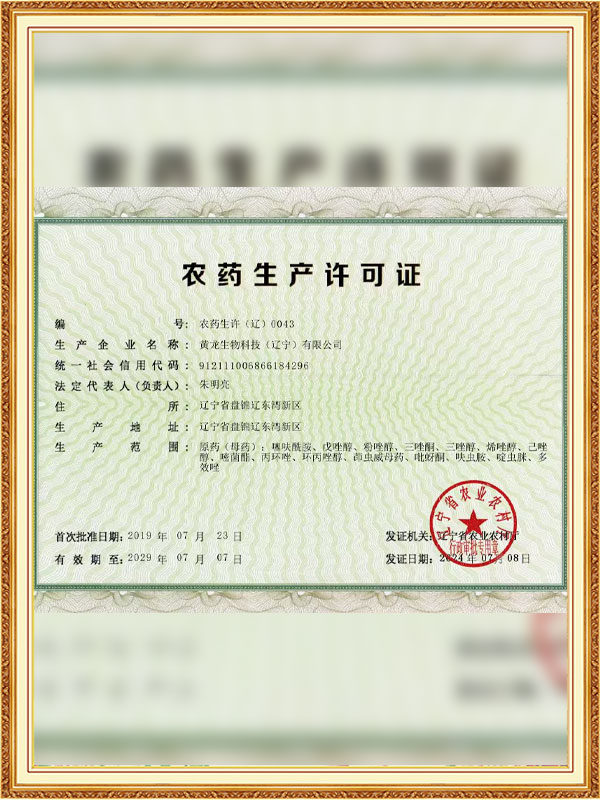
CERTIFICATES
The Honor
We Have Received.
We Have Received.
We have independent intellectual property rights of efficient green pesticide new products, by the State Intellectual Property Office awarded the "national intellectual property advantage enterprise"
News
-
A procurement manager in northern Jiangsu opens a quotation sheet for a 20-hectare vegetable programme and sees four lines: a pyrethroid blend, a neonicotinoid, an organophosphate mixture and something labelled "IGR". Same pest pressure, four chemical families, four very different pre-harvest intervals, four different...
READ MORE -
If a procurement team asks which liquid pesticide formulation can approach 100% active ingredient, the honest answer is that few registered end-use liquids reach that level. The closest practical candidates are ultra-low-volume (ULV) formulations, technical concentrates used as manufacturing inputs, and a narrow group...
READ MORE -
Open a label in any agrochemical warehouse and the first thing a new buyer reads is the name of the active ingredient. Ten minutes later, the same buyer is looking at a small suffix — EC, SC, WDG, EW, WP — and asking whether it matters. It matters a great deal. The formulation of a pesticide decides how easily the pro...
READ MORE
Industry Knowledge
Plant Growth Regulator (PGR) formulations are chemical substances that interact with plants to regulate their growth and development. These formulations mimic or alter the plant's natural hormonal systems, offering significant benefits in agriculture. They can stimulate or inhibit specific growth processes in plants, improve stress tolerance, and increase overall crop productivity. As agricultural demands continue to grow globally, PGRs have become indispensable in modern farming practices, contributing to better yields, enhanced resistance to diseases, and improved quality of produce.
Yancheng Limin Chemical Co., Ltd., a leading manufacturer of agrochemical products, plays a vital role in the global market, supplying PGR formulations to meet the growing agricultural needs. Through advanced manufacturing capabilities, the company ensures the quality and effectiveness of its products, catering to farmers worldwide.
PGRs are classified based on their effect on plant growth and development. These substances either promote or inhibit physiological processes by influencing plant hormones. The most commonly studied PGRs include auxins, gibberellins, cytokinins, abscisic acid, and ethylene. These substances can alter plant functions such as flowering, fruiting, rooting, and stress responses.
Types of Plant Growth Regulators
1. Auxins: Stimulate root development and are commonly used in rooting agents.
2. Gibberellins: Enhance plant growth and elongation, influencing flowering and seed germination.
3. Cytokinins: Promote cell division and shoot development.
4. Abscisic Acid: Plays a role in stress responses and seed dormancy.
5. Ethylene: Influences fruit ripening and senescence.
Each type of PGR formulation works through a specific mechanism that regulates plant processes. The role of PGRs has expanded beyond traditional use in improving crop yields to include improving resilience to environmental stresses such as drought, heat, and pests.
PGR Formulation Manufacturing Process
Manufacturing Plant Growth Regulator formulations requires a sophisticated process that ensures the correct concentration and activity of the active ingredients. The formulation is designed to enhance the effectiveness and ease of application for farmers. The formulation process involves selecting the right active ingredients, combining them in the appropriate proportions, and stabilizing them for shelf life.
Yancheng Limin Chemical Co., Ltd. operates with a state-of-the-art manufacturing facility that adheres to stringent quality standards. The company’s production lines are equipped to handle large-scale formulation production, ensuring that each batch of PGRs meets the required specifications.
The formulation process includes the following key steps:
1. Selection of Active Ingredients: Determining which plant hormones or hormone analogs will be used to achieve the desired effect.
2. Mixing and Stabilization: Carefully combining the active ingredients with stabilizers and solvents to ensure longevity and effectiveness.
3. Quality Control: Rigorous testing is conducted to ensure the consistency and safety of the formulation.
4. Packaging and Distribution: After passing quality control, the formulations are packaged and distributed to various markets.
Applications of PGR Formulations
PGR formulations are applied across various stages of crop growth. Their versatility allows them to be used in a wide range of agricultural applications, from seedling establishment to post-harvest.
1. Crop Yield Enhancement: By stimulating growth and development, PGRs improve crop yield per unit of land, optimizing the efficiency of farming operations.
2. Stress Tolerance: Certain PGRs help plants withstand environmental stresses like drought, heat, and pest infestations by enhancing the plant's natural defense mechanisms.
3. Fruit Ripening and Quality Improvement: PGR formulations like gibberellins and ethylene can control fruit ripening, ensuring uniformity and improving shelf life.
4. Growth Regulation in Crops: PGRs help manage plant height, flowering, and fruiting to ensure better harvest quality.
Challenges in PGR Formulation Production
Despite the benefits of PGR formulations, there are several challenges in their production:
- Regulatory Compliance: Meeting global agricultural regulations is a complex and time-consuming process.
- Stability of Formulations: Ensuring that PGRs maintain their efficacy over time under varying environmental conditions requires extensive testing and stabilization processes.
- Cost of Raw Materials: Some PGRs are derived from complex organic compounds that can be expensive to source and produce.
- Market Competition: The increasing demand for PGRs has led to more manufacturers entering the market, requiring companies like Yancheng Limin Chemical Co., Ltd. to differentiate their products through quality, performance, and customer support.
Yancheng Limin Chemical Co., Ltd. has established advanced manufacturing facilities that specialize in the production of Plant Growth Regulator formulations. The company’s plants are strategically located to serve domestic and international markets, ensuring timely delivery of high-quality products. The manufacturing process is supported by an experienced team of chemists, engineers, and production staff who are dedicated to continuous innovation.
The facilities are equipped with modern production lines for blending, encapsulation, and stabilization of active ingredients. Yancheng Limin’s commitment to research and development allows it to continuously improve its PGR formulations, adapting to the changing needs of the agricultural industry.
Comparison of Different PGR Formulations
| PGR Type | Active Ingredient | Application | Effect on Plants | Examples of Use |
|---|---|---|---|---|
| Auxins | Indole-3-acetic acid | Rooting stimulants | Promotes root growth | Used in rooting powder for cuttings |
| Gibberellins | GA3, GA4/7 | Growth enhancers | Stimulates stem elongation | Increases fruit size and seed germination |
| Cytokinins | Benzyladenine (BA) | Shoot growth promoters | Stimulates cell division | Used in tissue culture for propagation |
| Abscisic Acid | ABA | Stress tolerance regulators | Helps in drought and cold stress | Used in water-stress tolerance improvement |
| Ethylene | Ethylene gas | Ripening agent | Promotes fruit ripening and senescence | Used in fruit ripening for uniformity |
FAQ
1. What is the role of PGR formulations in agriculture?
PGR formulations help manage plant growth and development, enhance yield, improve stress tolerance, and increase the quality of crops. These formulations have become a cornerstone in modern agricultural practices.
2. How are PGR formulations applied to crops?
PGR formulations are typically applied as foliar sprays, soil treatments, or through irrigation systems, depending on the type of formulation and the crop being treated.
3. Are PGR formulations safe for the environment?
When used according to label instructions, PGR formulations are generally safe. Manufacturers like Yancheng Limin Chemical Co., Ltd. prioritize the development of environmentally safe products.
4. What are the benefits of using PGR formulations in crop production?
The primary benefits include increased crop yields, improved plant resistance to stress, enhanced fruit quality, and improved shelf life of harvested produce.
5. Can PGR formulations be used for all types of crops?
Yes, PGR formulations can be used on a wide variety of crops, including cereals, fruits, vegetables, and ornamental plants. Specific formulations may be tailored to different plant species.
6. How does Yancheng Limin Chemical Co., Ltd. ensure the quality of its PGR formulations?
The company follows stringent manufacturing and quality control processes to ensure that each batch of PGRs meets global standards. Regular testing and validation of ingredients help maintain the consistency of product quality.

Contact info.
 Tel: +0086(515)88719699
 Phone: +86-18261226148
 E-mail: limin@chinapesticides.com
 Add: 21F & 22F, Jinhang Fortune Building, No. 988 Luming Road, Yancheng City, Jiangsu Province, China
Im.&Ex. Departemt
Tel:+0086(515)88356821
E-mail:
lany@chinapesticides.comylj@chinapesticides.com
sales6@chinapesticides.com
ivan@chinapesticides.com
Follow Us
Get a Free Quote
Copyright © Yancheng Limin Chemical Co., Ltd. All Rights
Reserved
 Wholesale Plant Growth Regulator Formulation Manufacturers