

 EN
EN
 English
  中文简体
中文简体 Insecticide Formulation Wholesale
Products
Insecticide Formulation Suppliers
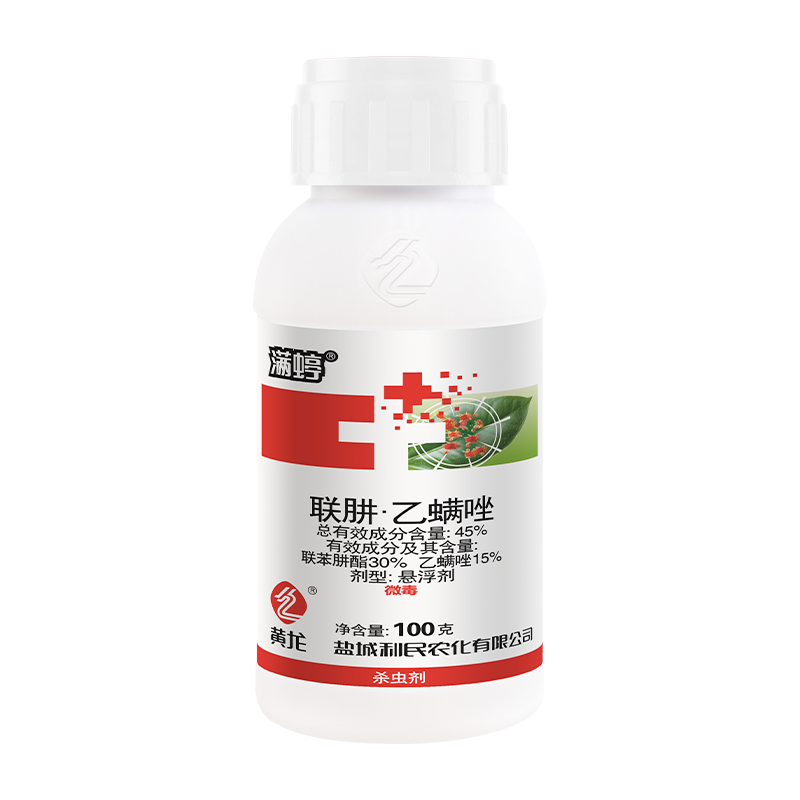
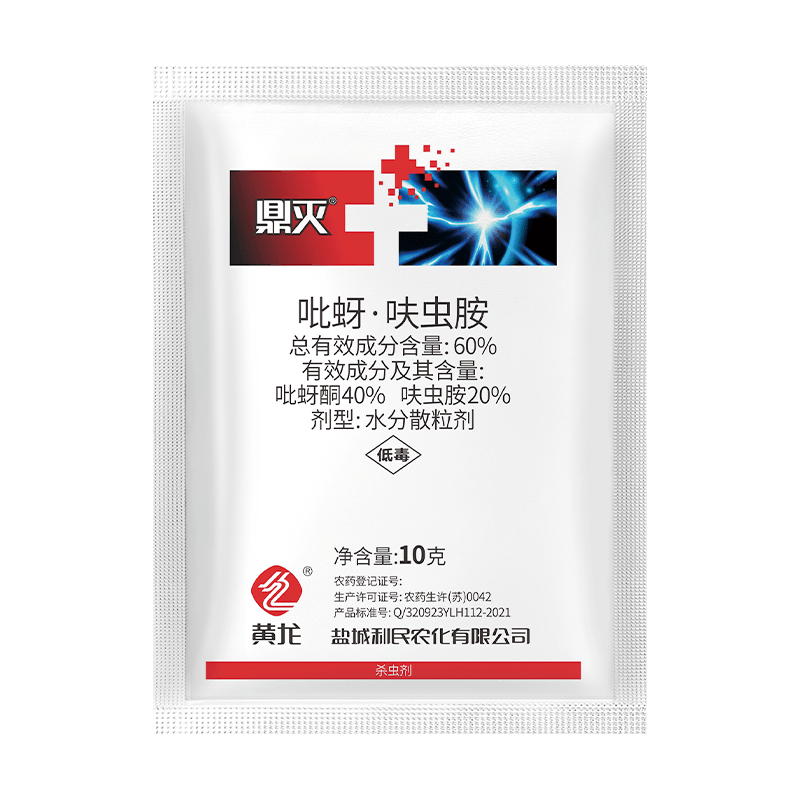
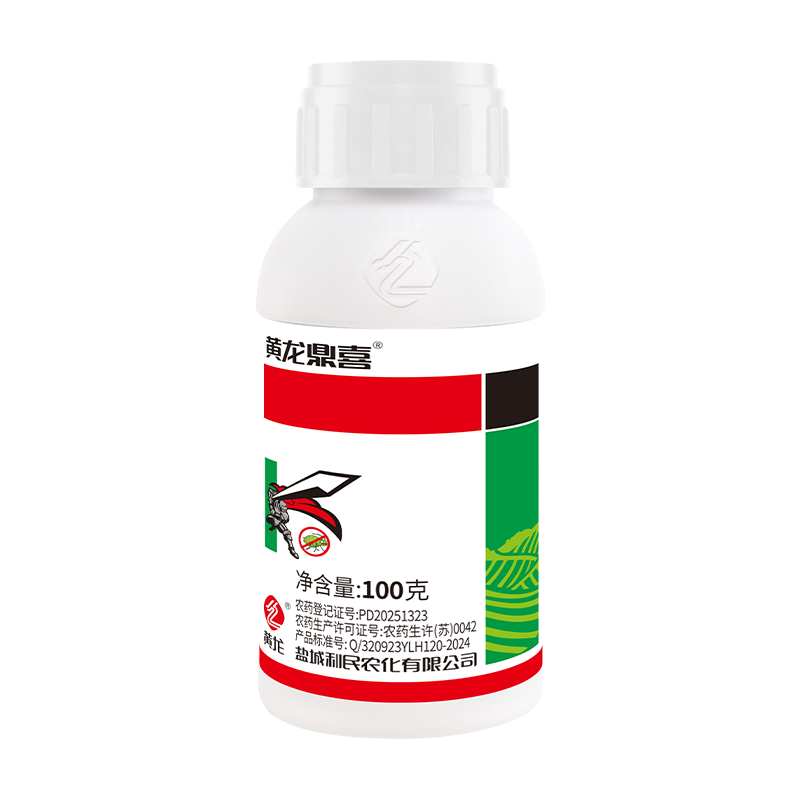
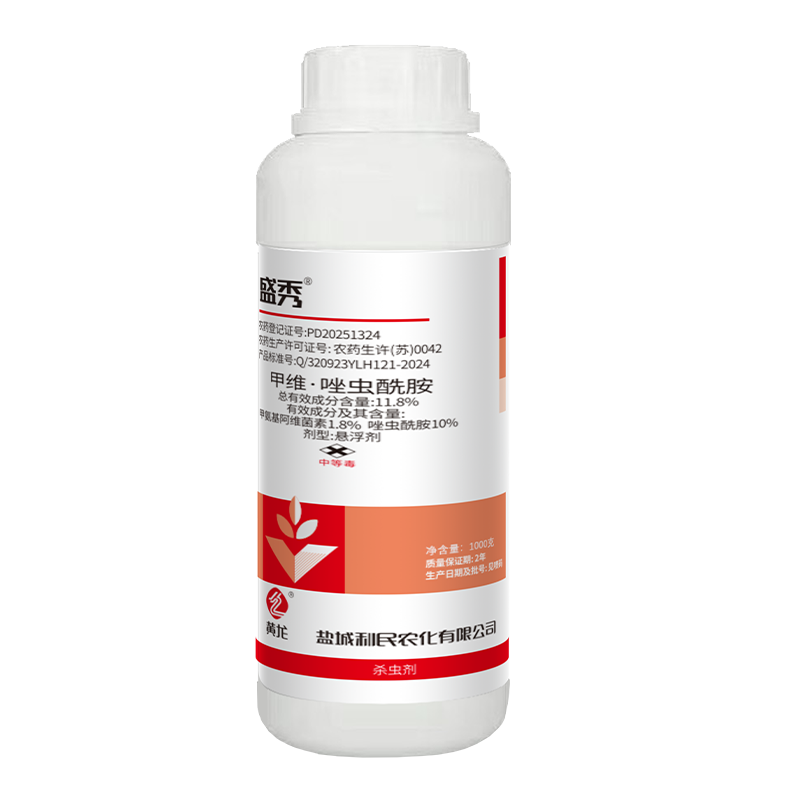
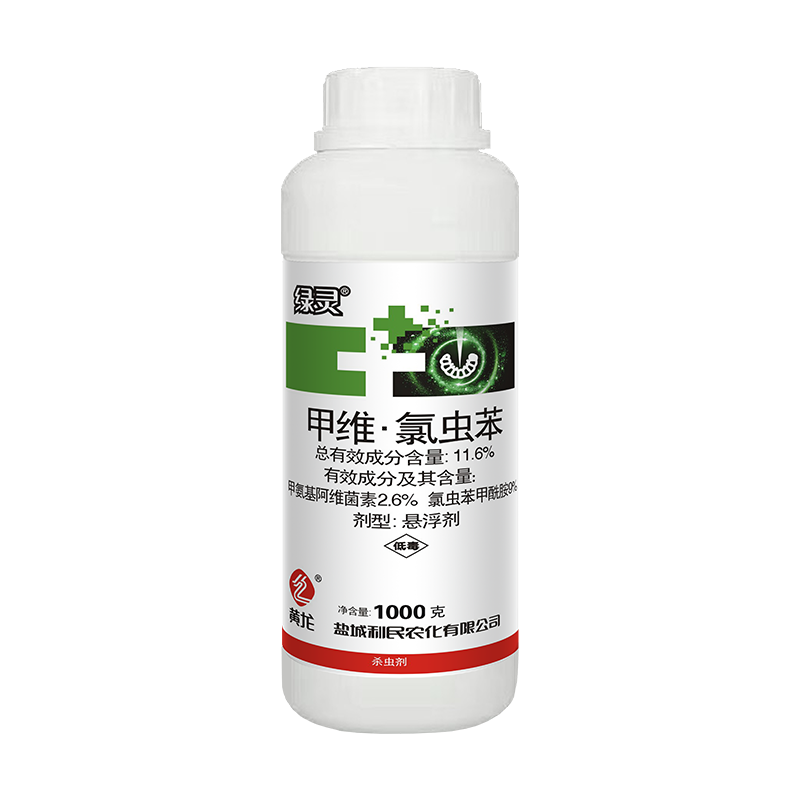
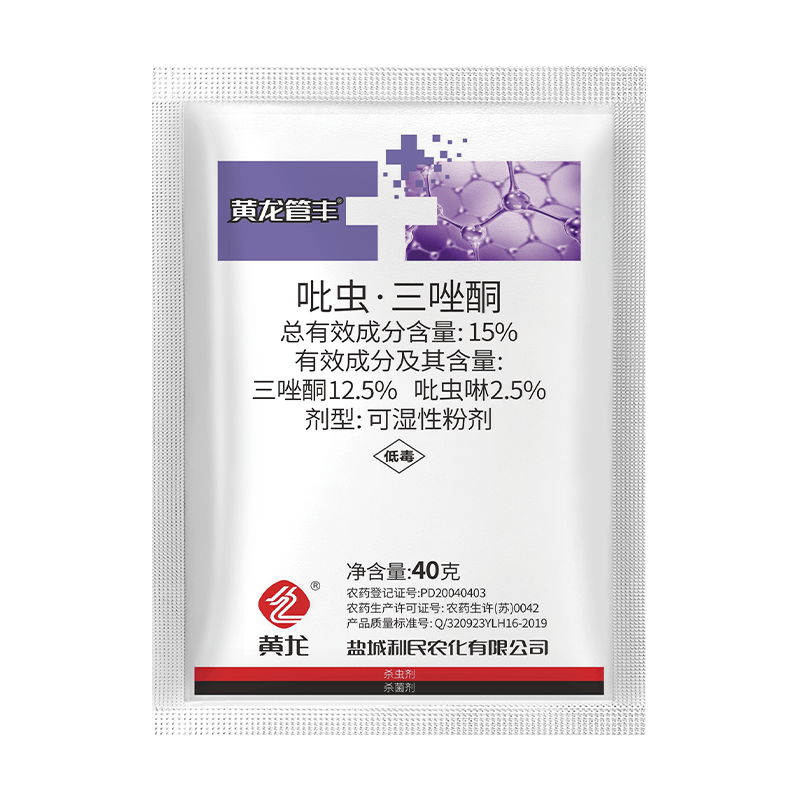
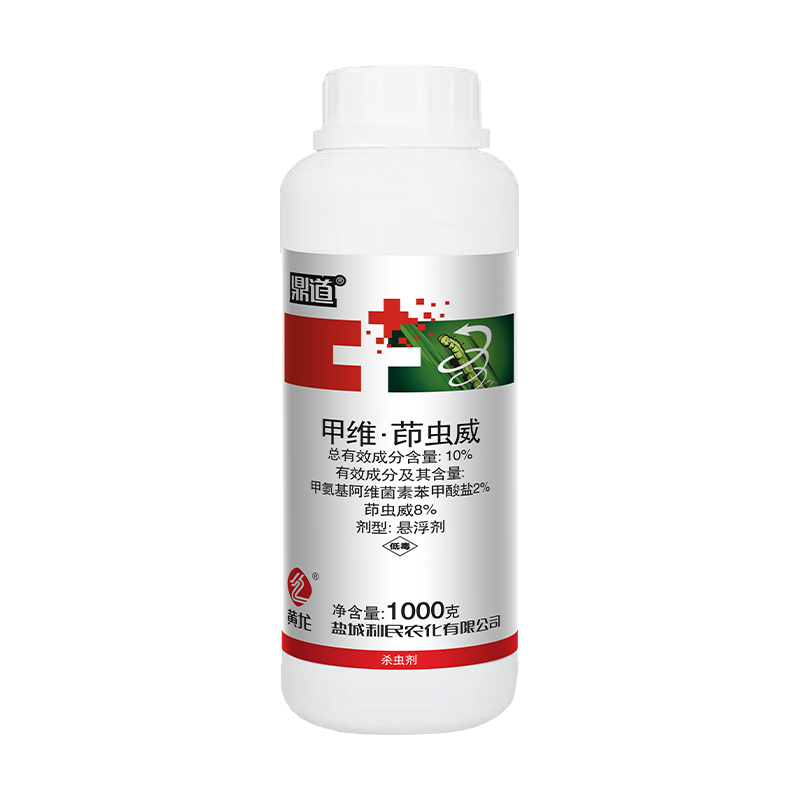
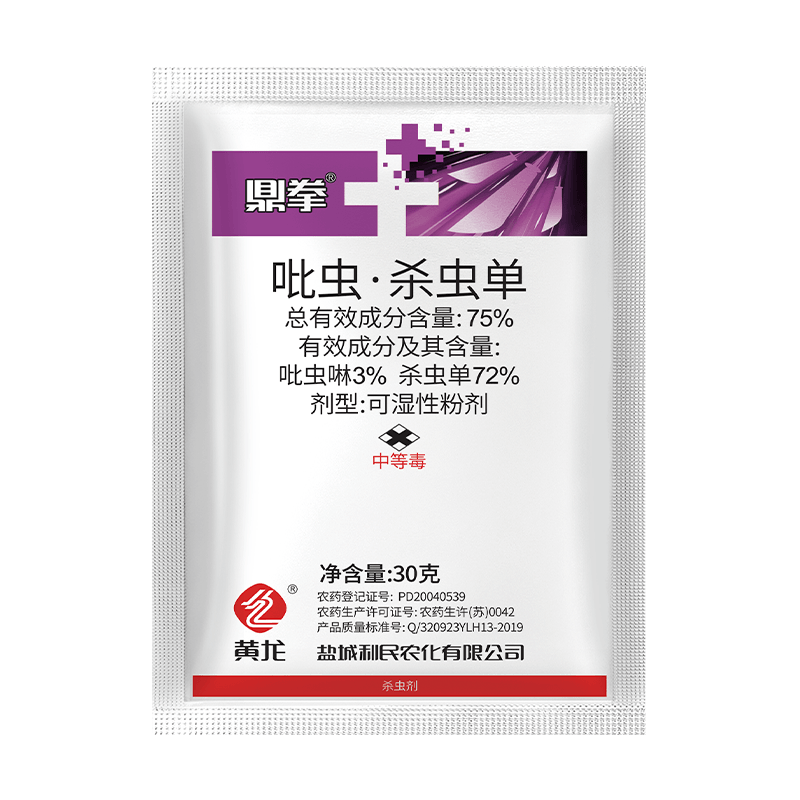
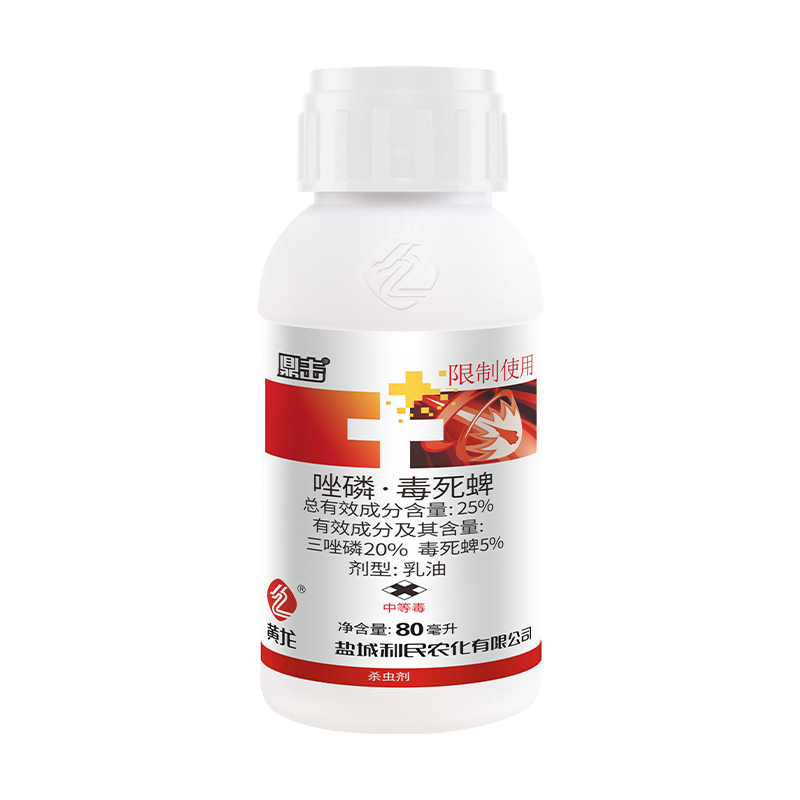
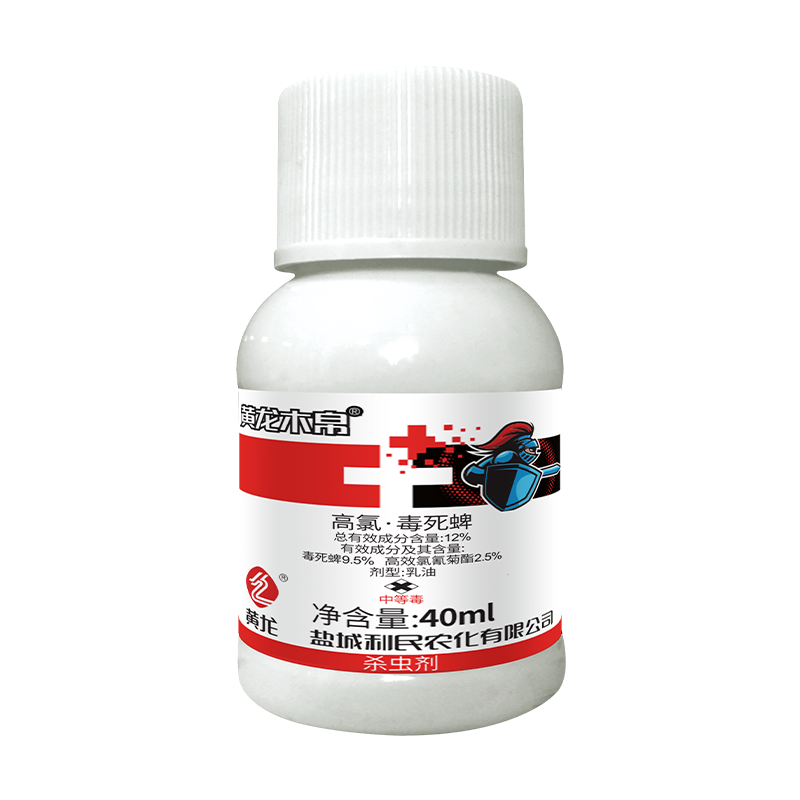
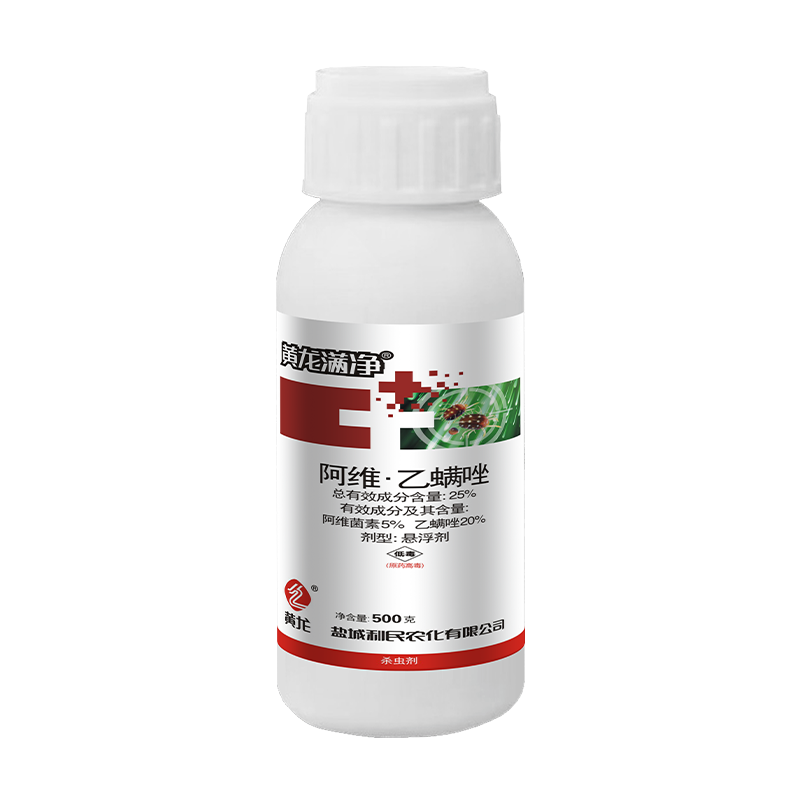
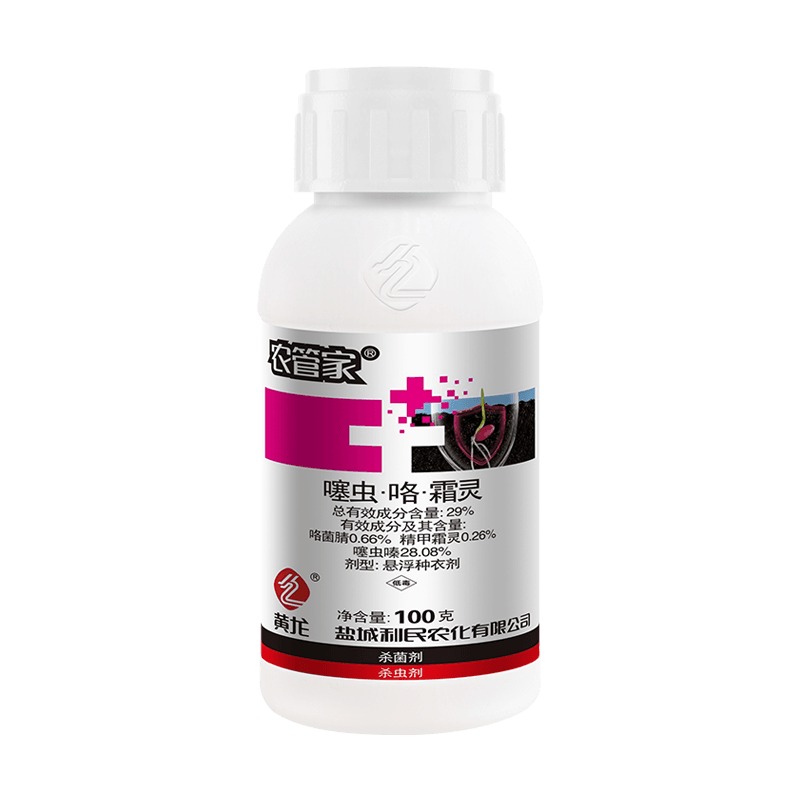
Insecticide formulations are effective pest control chemicals that can effectively kill pests, thereby protecting crops and plants from pests.
ABOUT LIMIN CHEMICAL
Yancheng Limin Chemical Co., Ltd.

The story of Limin Group began more than three decades ago, on the fertile soil of China. It was an era calling for agricultural modernization, when food security became a national imperative. Our founding was no coincidence—it was a response to the times: harnessing technology to protect crops, and responsibility to safeguard the granary. From a small team of dozens to a global enterprise spanning five continents, we have always believed that agriculture is not merely an industry—it is the foundation of human survival.
As China Insecticide Formulation Manufacturers and Insecticide Formulation Suppliers, our R&D centers in China, Europe, South America, Southeast Asia, and Africa employ over 200 scientists, tackling challenges in green synthesis, microencapsulation, and biological pest control. With more than 150 core patents, Limin commands a strong voice in the global agrochemical sector, and our involvement in FAO/WHO international pesticide standards has brought "Chinese innovation" to the center of the world stage.
Today, Yangcheng Limin's products serve over 80 countries, protecting more than 6.6 million hectares of farmland. We are not just providers of crop protection—we are guardians of global food security. From the arid lands of Africa, to the highlands of South America, to the rice fields of Southeast Asia—our footprints and commitments are everywhere.
As China Insecticide Formulation Manufacturers and Insecticide Formulation Suppliers, our R&D centers in China, Europe, South America, Southeast Asia, and Africa employ over 200 scientists, tackling challenges in green synthesis, microencapsulation, and biological pest control. With more than 150 core patents, Limin commands a strong voice in the global agrochemical sector, and our involvement in FAO/WHO international pesticide standards has brought "Chinese innovation" to the center of the world stage.
Today, Yangcheng Limin's products serve over 80 countries, protecting more than 6.6 million hectares of farmland. We are not just providers of crop protection—we are guardians of global food security. From the arid lands of Africa, to the highlands of South America, to the rice fields of Southeast Asia—our footprints and commitments are everywhere.
-
40
Year of Industry Experience
-
100+
Varieties of Pesticides
-
150+
Core Patents
-
80+
Products to Serve Countries
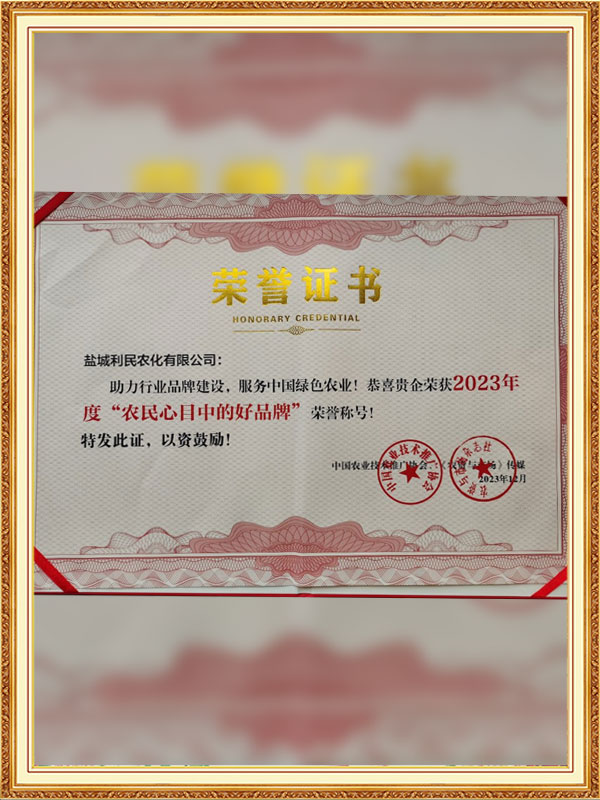
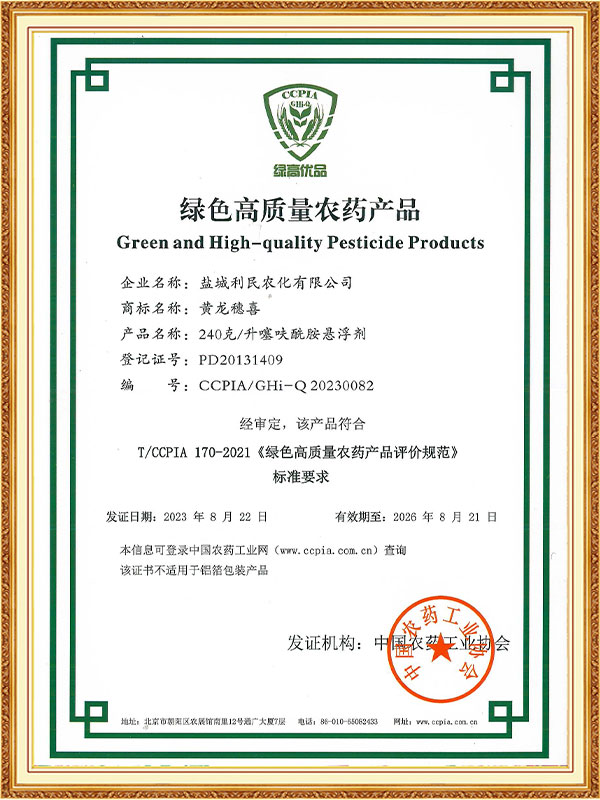
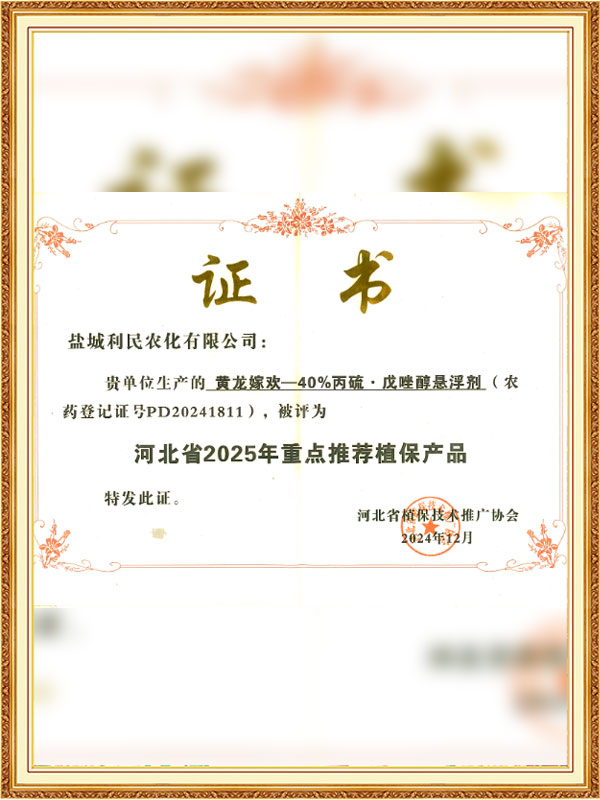
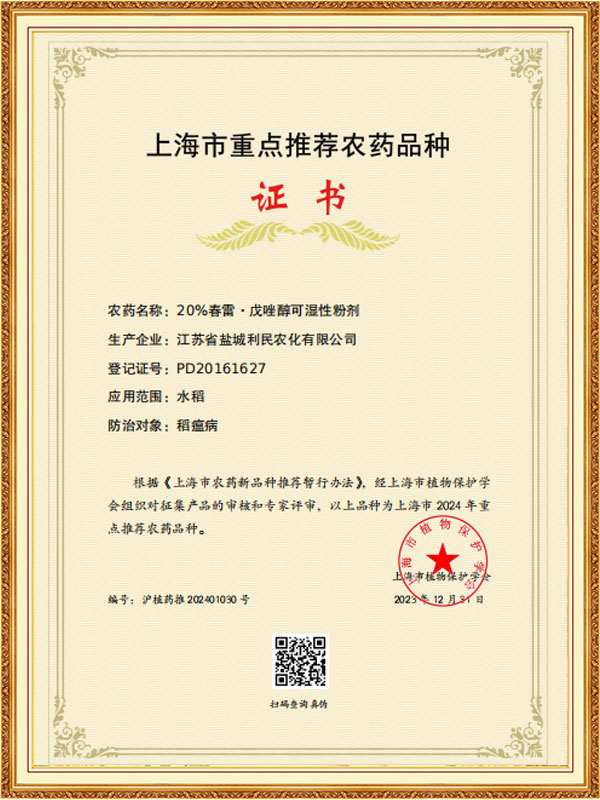
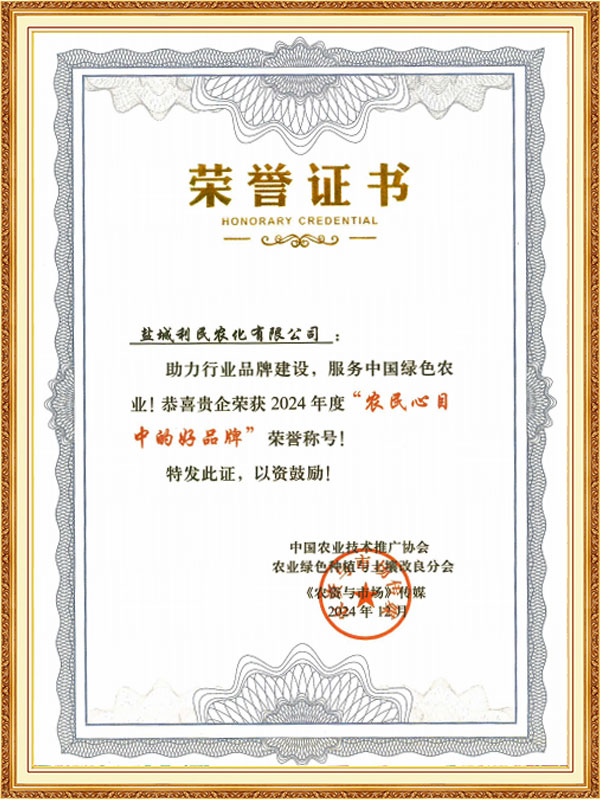
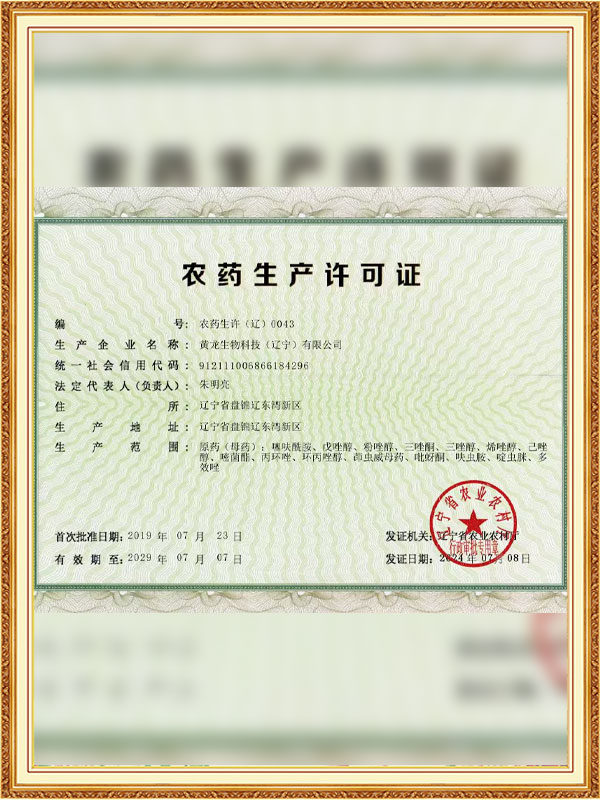
CERTIFICATES
The Honor
We Have Received.
We Have Received.
We have independent intellectual property rights of efficient green pesticide new products, by the State Intellectual Property Office awarded the "national intellectual property advantage enterprise"
News
-
An insecticide formulation is the precise mixture of an active chemical compound with inert materials, carriers, surfactants, and specialized adjuvants to create a stable, safe, and effective crop protection product. Pure insecticidal active ingredients are rarely suitable for direct field application. In their raw tec...
READ MORE -
What Is a Plant Growth Regulator Formulation? A plant growth regulator formulation is a carefully engineered mixture that contains one or more active PGR ingredients along with various inert components designed to optimize the product's performance. The active ingredient is the chemical compound that produces the desir...
READ MORE -
To all members of the public and participating designers: To celebrate the 40th anniversary of the founding of the Company (1986–2026), on May 20, 2026 we issued the "Announcement Inviting Entries for the Company Emblem Design Competition for the 40th Anniversary of Yancheng Limin Chemical Co., Ltd.," publicly soliciti...
READ MORE
Industry Knowledge
As global agricultural production faces increasing challenges, pest control has become a core issue for ensuring healthy crop growth, increasing yield, and improving quality. Pests not only reduce crop yields but can also transmit diseases, affect crop quality, and even lead to food safety concerns. Therefore, the use of effective insecticides is crucial in addressing these issues.
Yancheng Limin Chemical Co., Ltd., a leading global agricultural chemical manufacturer, is dedicated to providing innovative insecticide solutions to farmers worldwide. The company collaborates with global agricultural organizations, research institutions, and farmer associations, sharing crop protection technologies and achievements to provide more effective pest control measures for agricultural production. Whether in maize pest control in Africa or rice yield enhancement in Southeast Asia, Yancheng Limin Chemical Co., Ltd.'s products and solutions have shown remarkable results, helping farmers improve crop yield and pest resistance.
1. Definition and Mechanisms of Insecticides
Definition of Insecticides
Insecticides are chemicals, physical formulations, or biological agents used to control pests. Their main purpose is to suppress or kill pests, reducing damage to crops. By controlling pest populations, insecticides help maintain crop health and ensure high yield and quality during growth.
Mechanisms of Action
Insecticides work through various mechanisms, depending on their chemical composition and mode of action. Below are some common mechanisms:
- Neurotoxic Action: Some insecticides (such as organophosphates and carbamates) inhibit enzyme activity in the insect's nervous system, disrupting nerve impulse transmission, leading to paralysis and death. For example, dichlorvos and chlorpyrifos are typical organophosphate insecticides that rapidly kill pests by interfering with nerve conduction.
- Respiratory Toxicity: Some insecticides, like certain oxidizing agents, target the respiratory system of insects, causing asphyxiation and death due to lack of oxygen. These insecticides are particularly effective against mosquitoes and flies, which have high metabolic rates.
- Gastrointestinal Toxicity: Pyrethroid insecticides, such as permethrin, work by entering the insect's digestive system after ingestion and disrupting normal functions, preventing the insect from feeding and ultimately causing death. These insecticides are commonly used in large-scale agriculture to control pests on crops like rice and vegetables.
- Growth Inhibition: Some insecticides inhibit the molting process or suppress the release of growth hormones in insects, preventing normal development and eventually causing death. These insecticides offer sustained control over pest populations.
2. Classification of Insecticides
Insecticides are diverse and can be classified according to their ingredients, mode of action, and application methods. Different types of insecticides are suited to different pests and crops.
Chemical Insecticides
Chemical insecticides are typically artificially synthesized chemical substances with high toxicity and insecticidal efficiency. They can quickly kill pests and reduce damage to crops. Common chemical insecticides include:
- Organophosphates: These include dichlorvos and chlorpyrifos, which are widely used in agriculture. They work by inhibiting acetylcholinesterase in the insect's nervous system, causing paralysis and death.
- Pyrethroids: These insecticides mimic the insect's neurotransmitters, disrupting its nervous system and leading to rapid death. Common pyrethroids like cypermethrin and permethrin are widely used on vegetables and rice.
- Carbamates: For example, thiacloprid works by inhibiting neurotransmitter release, reducing neural activity and killing pests.
Table 1: Chemical Insecticide Types and Applications
| Type | Representative Products | Main Mechanism | Applicable Crops |
|---|---|---|---|
| Organophosphates | Dichlorvos, Chlorpyrifos | Neurotoxic Action | Maize, Wheat, Rice |
| Pyrethroids | Cypermethrin, Permethrin | Neurotoxic Action | Rice, Vegetables, Fruit Trees |
| Carbamates | Thiacloprid | Neurotoxic Action | Rice, Vegetables |
Biological Insecticides
Biological insecticides use naturally occurring microorganisms or their metabolites to control pests, offering a lower environmental impact. Common biological insecticides include:
- Bacterial Insecticides: For instance, Bacillus thuringiensis (Bt) is used to control specific pests like Lepidoptera larvae. Bt is widely used in organic farming.
- Insect-derived Insecticides: These include natural toxins secreted by insects that can kill other insects, helping control pest populations.
Table 2: Biological Insecticide Types and Applications
| Type | Representative Products | Main Mechanism | Applicable Crops |
|---|---|---|---|
| Bacterial Insecticides | Bacillus thuringiensis (Bt) | Bacterial Toxin Action | Maize, Wheat, Vegetables |
| Insect-derived Insecticides | Insect Secretions | Natural Toxin Action | Fruit Trees, Vegetables, Ornamental Crops |
Plant-derived Insecticides
These insecticides are derived from natural plants such as garlic, chili, and citrus peel oils. Plant-derived insecticides are commonly used in home gardening and organic agriculture due to their minimal environmental impact and limited harm to non-target organisms.
3. Applications of Insecticides
Agricultural Field
In agriculture, the primary application of insecticides is pest control to ensure the healthy growth of food crops, fruit trees, and vegetables. With climate change and the diversification of pest species, modern agriculture's demand for insecticides is growing. Yancheng Limin Chemical Co., Ltd. has a wide application in the agricultural field, particularly in staple crops such as maize, wheat, and rice, where its insecticides help farmers control pests and improve both yield and quality.
Horticultural Field
Horticultural crops like fruit trees and vegetables often suffer from pest damage, which affects growth and reduces the market value of fruits and vegetables. Yancheng Limin Chemical Co., Ltd. provides efficient and eco-friendly insecticides for horticultural farmers, particularly in tropical and subtropical regions.
Public Health Field
Insecticides also play a significant role in public health, particularly in controlling disease-transmitting insects like mosquitoes and flies. Yancheng Limin Chemical Co., Ltd.'s products play an essential role in public health pest control, especially in controlling mosquito-borne diseases, through partnerships with global health organizations.
4. Insecticide Usage Methods and Safety
Usage Methods
The application method of insecticides varies depending on their type. Liquid insecticides are usually sprayed, while granules can be spread onto the soil or directly applied to plant surfaces. Yancheng Limin Chemical Co., Ltd. provides detailed usage instructions to ensure the best results in different environments while minimizing environmental impact.
Safety and Environmental Impact
When using insecticides, it is vital to follow safety regulations to avoid harm to human health and the environment. Modern insecticide development is increasingly focused on low toxicity, low residue, and fast biodegradation to create environmentally friendly products. Yancheng Limin Chemical Co., Ltd. uses advanced manufacturing techniques in its facilities to ensure that all insecticide products are safe and eco-friendly, minimizing their environmental impact from the source.

Contact info.
 Tel: +0086(515)88719699
 Phone: +86-18261226148
 E-mail: limin@chinapesticides.com
 Add: 21F & 22F, Jinhang Fortune Building, No. 988 Luming Road, Yancheng City, Jiangsu Province, China
Im.&Ex. Departemt
Tel:+0086(515)88356821
E-mail:
lany@chinapesticides.comylj@chinapesticides.com
sales6@chinapesticides.com
ivan@chinapesticides.com
Follow Us
Get a Free Quote
Copyright © Yancheng Limin Chemical Co., Ltd. All Rights
Reserved
 Wholesale Insecticide Formulation Manufacturers