

 EN
EN
 English
  中文简体
中文简体
Products
Pesticide Intermediate Suppliers
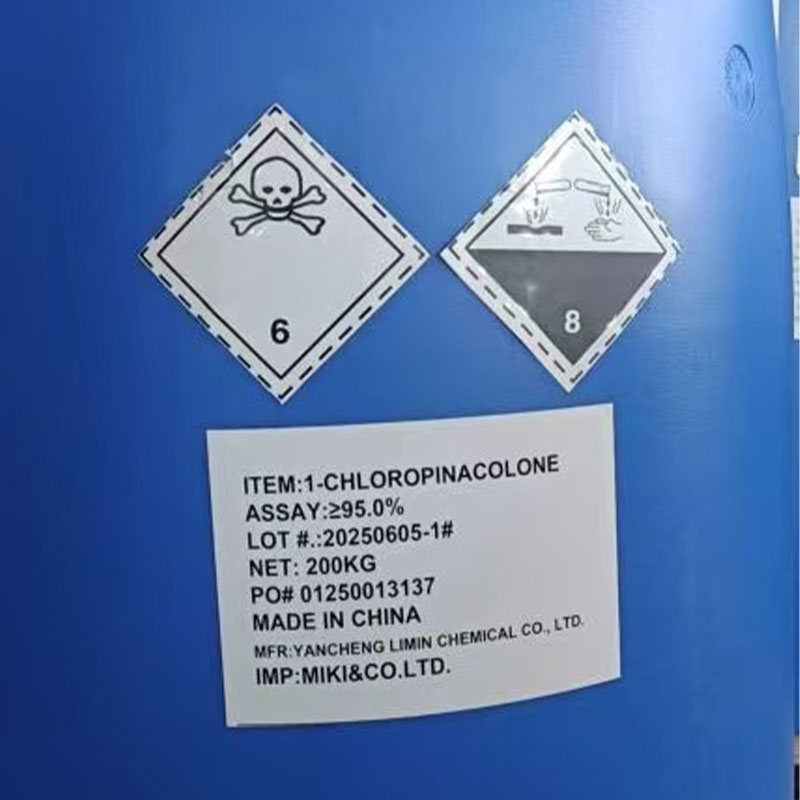
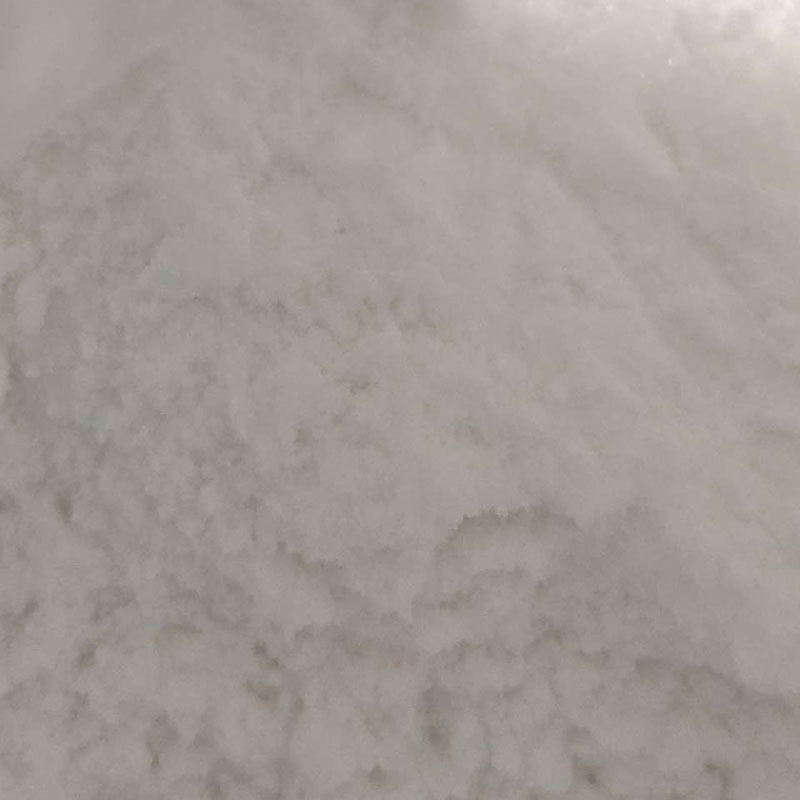
![1-(4-chloro-phenyl)-4,4-dimethyl-2-[1,2,4]triazol-1-yl-pentan-3-one](/chinapesticides/2025/12/11/1-4.jpg "1-(4-chloro-phenyl)-4,4-dimethyl-2-[1,2,4]triazol-1-yl-pentan-3-one")

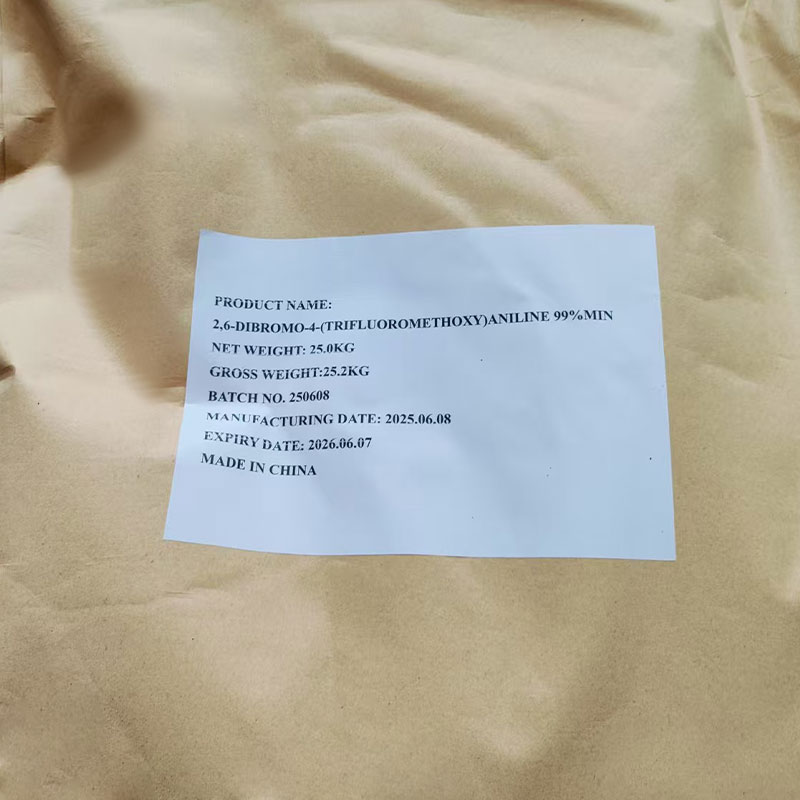
ABOUT LIMIN CHEMICAL
Yancheng Limin Chemical Co., Ltd.

The story of Limin Group began more than three decades ago, on the fertile soil of China. It was an era calling for agricultural modernization, when food security became a national imperative. Our founding was no coincidence—it was a response to the times: harnessing technology to protect crops, and responsibility to safeguard the granary. From a small team of dozens to a global enterprise spanning five continents, we have always believed that agriculture is not merely an industry—it is the foundation of human survival.
As China Pesticide Intermediate Suppliers and Pesticide Intermediate Manufacturers, our R&D centers in China, Europe, South America, Southeast Asia, and Africa employ over 200 scientists, tackling challenges in green synthesis, microencapsulation, and biological pest control. With more than 150 core patents, Limin commands a strong voice in the global agrochemical sector, and our involvement in FAO/WHO international pesticide standards has brought "Chinese innovation" to the center of the world stage.
Today, Yangcheng Limin's products serve over 80 countries, protecting more than 6.6 million hectares of farmland. We are not just providers of crop protection—we are guardians of global food security. From the arid lands of Africa, to the highlands of South America, to the rice fields of Southeast Asia—our footprints and commitments are everywhere.
As China Pesticide Intermediate Suppliers and Pesticide Intermediate Manufacturers, our R&D centers in China, Europe, South America, Southeast Asia, and Africa employ over 200 scientists, tackling challenges in green synthesis, microencapsulation, and biological pest control. With more than 150 core patents, Limin commands a strong voice in the global agrochemical sector, and our involvement in FAO/WHO international pesticide standards has brought "Chinese innovation" to the center of the world stage.
Today, Yangcheng Limin's products serve over 80 countries, protecting more than 6.6 million hectares of farmland. We are not just providers of crop protection—we are guardians of global food security. From the arid lands of Africa, to the highlands of South America, to the rice fields of Southeast Asia—our footprints and commitments are everywhere.
-
40
Year of Industry Experience
-
100+
Varieties of Pesticides
-
150+
Core Patents
-
80+
Products to Serve Countries
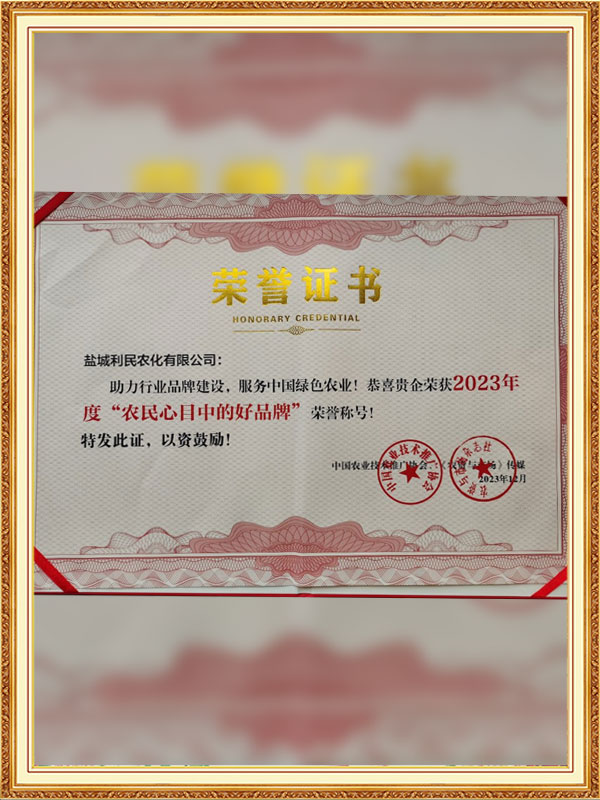
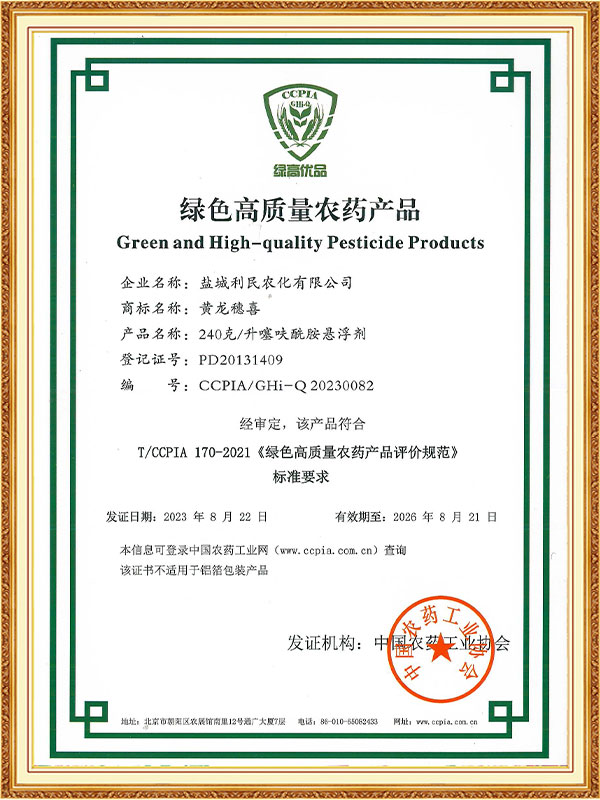
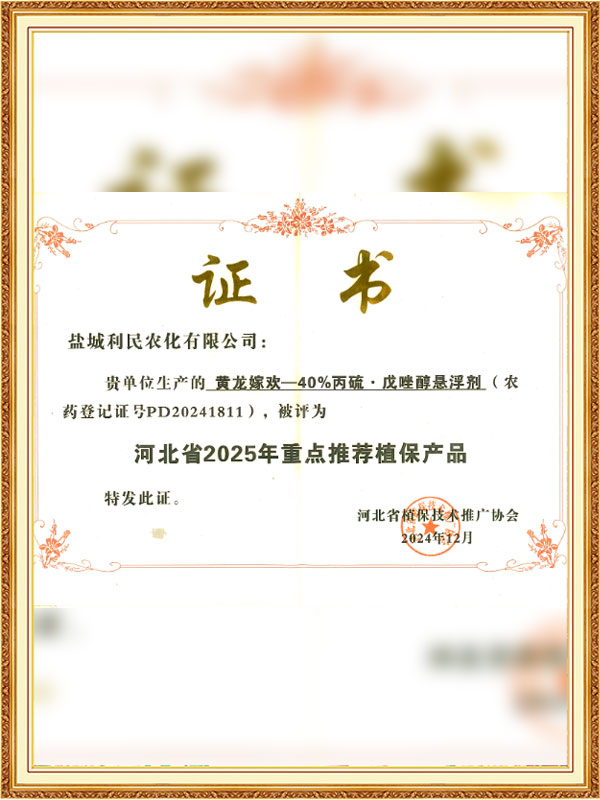
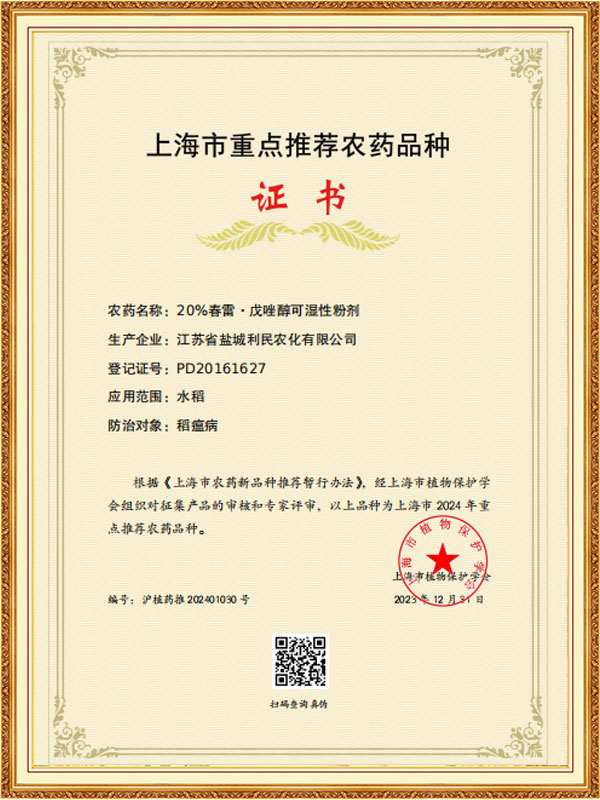
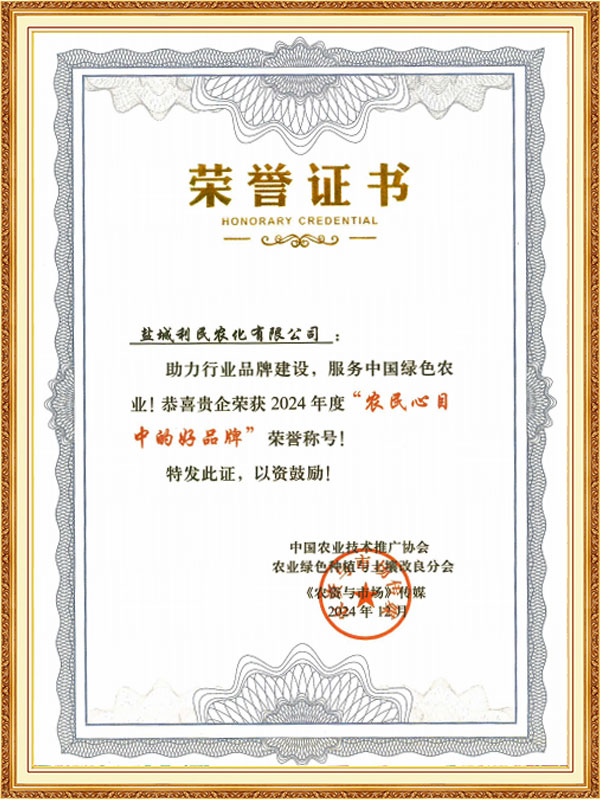
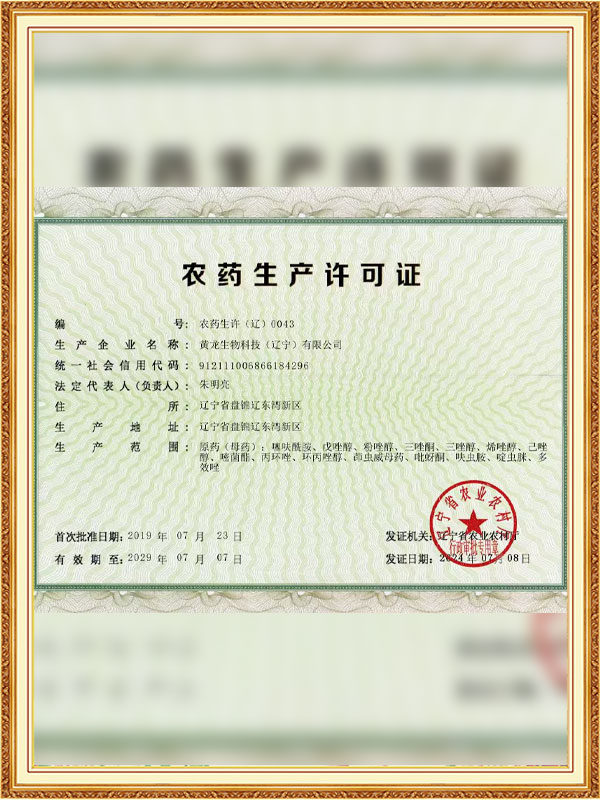
CERTIFICATES
The Honor
We Have Received.
We Have Received.
We have independent intellectual property rights of efficient green pesticide new products, by the State Intellectual Property Office awarded the "national intellectual property advantage enterprise"
News
-
A procurement manager in northern Jiangsu opens a quotation sheet for a 20-hectare vegetable programme and sees four lines: a pyrethroid blend, a neonicotinoid, an organophosphate mixture and something labelled "IGR". S...
READ MORE -
If a procurement team asks which liquid pesticide formulation can approach 100% active ingredient, the honest answer is that few registered end-use liquids reach that level. The closest practical candidates are ultra-lo...
READ MORE -
Open a label in any agrochemical warehouse and the first thing a new buyer reads is the name of the active ingredient. Ten minutes later, the same buyer is looking at a small suffix — EC, SC, WDG, EW, WP — and asking wh...
READ MORE -
Every growing season, the same question arrives with the first wave of aphids or the first white spot of powdery mildew: what can I spray that is effective but not harsh? The search for a natural pesticide for plants us...
READ MORE
Industry Knowledge
The Current Situation and Development of China’s Pesticide Intermediate Manufacturers
Pesticide intermediates are essential raw materials in pesticide production, typically produced from intermediate products in chemical reactions. They provide the necessary chemical components for pesticides and are a crucial part of pesticide manufacturing. The quality, stability, and environmental friendliness of pesticide intermediates directly affect the effectiveness and safety of pesticides.
With the modernization of global agriculture, the production of pesticide intermediates faces increasingly higher demands. Not only must pesticide intermediates meet the functional requirements of pesticides, but they must also meet the green and environmentally friendly production standards. Additionally, the price, quality, and delivery time of pesticide intermediates are critical to the stability of the global pesticide supply chain.
China is one of the largest producers of pesticide intermediates globally. With strong manufacturing capabilities and relatively low production costs, China’s pesticide intermediates have gradually gained a growing market share worldwide. According to statistics, China accounts for about 40% of the global export share of pesticide intermediates, primarily exporting to Europe, North America, Southeast Asia, and South America.
Application of New Green Synthesis Technologies
With the growing emphasis on environmental protection, green synthesis technologies for pesticide intermediates have become the trend for future development. Green synthesis technologies focus on reducing environmental pollution during production, saving resources, and reducing energy consumption. In recent years, the global pesticide intermediate industry has made significant progress in green synthesis. Many manufacturers have gradually introduced more environmentally friendly synthesis routes, such as using bio-catalysts, green solvents, etc., to replace traditional chemical synthesis methods.
Green synthesis technologies not only help enterprises reduce production costs but also make their products more in line with global environmental protection standards, especially in the European and American markets, where environmental regulations are becoming increasingly stringent, and green products are becoming an important competitive advantage.
The Rise of Microencapsulation Technology and Bio-pesticides
Microencapsulation technology is a technique that encapsulates the active ingredients of pesticides in polymer materials, which can prolong the pesticide’s effectiveness and reduce its environmental impact. In addition, bio-pesticides, as a more eco-friendly and sustainable solution, have become a major research focus in the industry. By combining microencapsulation technology with bio-pesticides, the production methods for pesticide intermediates are undergoing profound changes.
Technological Innovation at Limin Group
As a leading pesticide intermediate manufacturer in China, Limin Group has been committed to technological innovation, particularly in the fields of green synthesis and bio-pesticides. The group owns numerous independent intellectual property rights and has made breakthroughs in microencapsulation technology, green synthesis processes, and more. Limin Group’s research and development centers are located in China, Europe, South America, Southeast Asia, and Africa, allowing the company to tailor and develop innovative pesticide intermediate products based on the different market demands.
Structure of China’s Pesticide Intermediate Supply Chain
The supply chain for pesticide intermediates in China typically includes raw material procurement, chemical reactions, product refining, testing, and packaging. The production of pesticide intermediates requires highly precise process control, and strict supervision is necessary at every stage to ensure product quality. Many Chinese pesticide intermediate manufacturers improve their raw material supply chain management capabilities by collaborating with international suppliers.
The Process from Raw Material Supply to Finished Product Manufacturing
The production process of pesticide intermediates starts with raw material procurement, followed by chemical reactions, refining, purification, and various other stages, eventually producing high-quality finished products. Limin Group has a strict quality control system in place to ensure that every batch of pesticide intermediates meets international standards.
Limin Group’s Production Bases and Technological Advantages
Limin Group owns multiple advanced production bases both domestically and internationally. By adopting state-of-the-art production equipment and automated control systems, the group has greatly improved production efficiency. The company also collaborates with leading global agricultural research institutions, ensuring that products remain at the forefront of technology.
Limin Group’s Internationalization Strategy and Market Expansion
Limin Group’s internationalization strategy dates back to the early days of its establishment. Through mergers, acquisitions, and technological cooperation, the group has continually expanded its overseas markets. Today, Limin Group’s products are available in over 80 countries and regions worldwide, including Africa, South America, and Southeast Asia, areas with high agricultural development potential. By establishing localized research and development centers and production bases, Limin Group can better meet market demands and provide customized pesticide intermediate products.
Global Influence Through R&D Centers and Partnerships
Limin Group not only has multiple research and development centers worldwide but has also established strong partnerships with agricultural enterprises and research institutions globally. This collaboration provides Limin Group with first-hand market information, helping the company seize market opportunities and launch innovative products that meet market demands.
The Role of Pesticide Intermediates in Agricultural Modernization
With the continuous modernization of global agriculture, pesticides have played an increasingly important role in improving agricultural yields and ensuring crop health. As an essential component of pesticides, the production quality and technological level of pesticide intermediates directly affect agricultural productivity and food security.
Limin Group’s Contribution to Global Food Security
By continuously improving the production processes and quality of pesticide intermediates, Limin Group has helped farmers worldwide increase crop yields and reduce pest damage. The group’s pesticide products are already applied in agricultural production in multiple countries, especially in regions with prominent food security issues, such as Africa and South America, where Limin Group’s pesticide products play a crucial role.
Research and Application of Eco-friendly Pesticides
Limin Group has always made environmental protection a core strategy for the company’s development. The group adopts advanced green synthesis technologies in pesticide intermediate production to minimize environmental pollution. Moreover, Limin Group is committed to developing more environmentally friendly pesticide products to reduce the impact of traditional pesticides on soil and water sources.
How Limin Group Implements Sustainable Development Strategies
Limin Group implements its sustainable development strategies in multiple ways, including promoting green manufacturing processes, using environmentally friendly raw materials, optimizing production processes to reduce energy consumption and waste emissions, and more. The group also supports global sustainable agriculture projects and promotes sustainable agricultural concepts worldwide.
Evolution of International Pesticide Standards
The continuous evolution of global pesticide standards requires pesticide manufacturers to continuously improve production processes. International organizations like FAO and WHO have raised increasingly higher requirements for the safety and environmental friendliness of pesticides. Manufacturers of pesticide intermediates need to follow and adapt to these standards to ensure their products comply with international regulations.
Limin Group’s Role in FAO/WHO Pesticide Standard Development
Limin Group actively participates in the development of pesticide standards with organizations such as FAO and WHO. Through technological exchanges and international cooperation, the group promotes the healthy development of the global pesticide industry.
Technological Directions and Innovation Opportunities for the Industry
With the increasing global emphasis on environmental protection and food safety, the future of the pesticide intermediate industry will focus more on green synthesis, low toxicity, and highly effective product innovations. Additionally, the rise of smart agriculture and precision agriculture presents new opportunities for pesticide intermediates, with the industry focusing more on developing highly efficient, low-residue pesticide products.
How Limin Group Responds to Market Challenges and Opportunities
Limin Group will continue to address market changes and industry challenges through increased R&D investment, global market expansion, and strengthening collaborations with research institutions, maintaining its competitive edge in the global market.

Contact info.
 Tel: +0086(515)88719699
 Phone: +86-18261226148
 E-mail: limin@chinapesticides.com
 Add: 21F & 22F, Jinhang Fortune Building, No. 988 Luming Road, Yancheng City, Jiangsu Province, China
Im.&Ex. Departemt
Tel:+0086(515)88356821
E-mail:
lany@chinapesticides.comylj@chinapesticides.com
sales6@chinapesticides.com
ivan@chinapesticides.com
Follow Us
Get a Free Quote
Copyright © Yancheng Limin Chemical Co., Ltd. All Rights
Reserved
 OEM/ODM Pesticide Intermediate Suppliers