

 EN
EN
 English
  中文简体
中文简体
Products
Pesticide TC Manufacturers
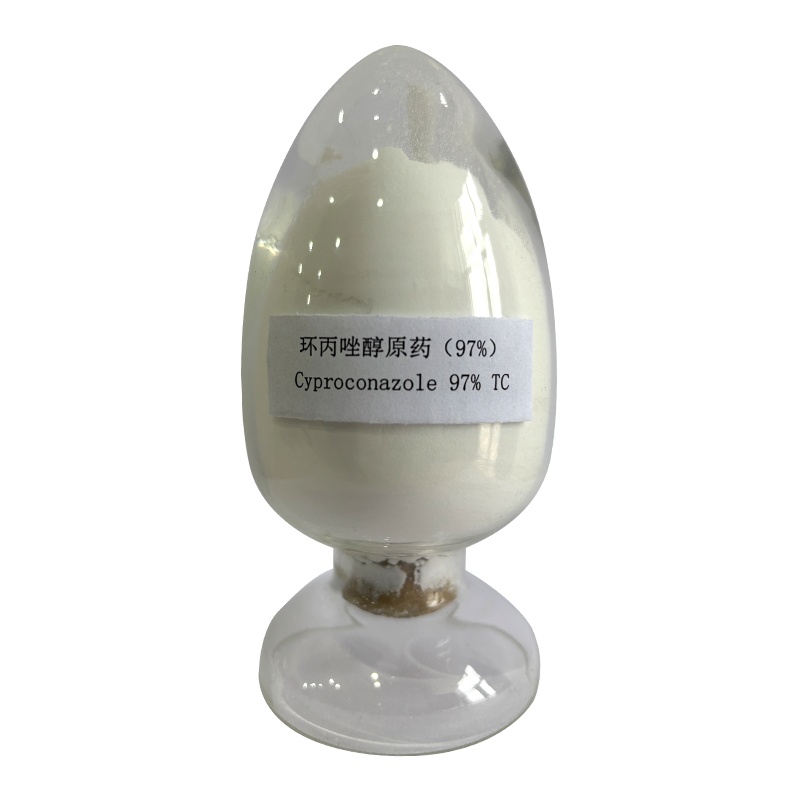
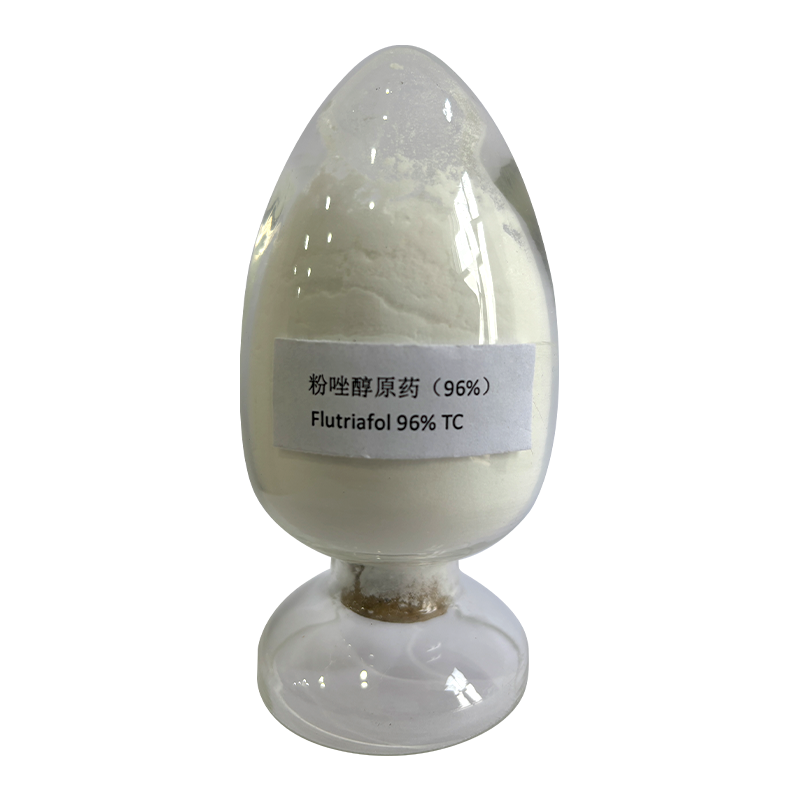
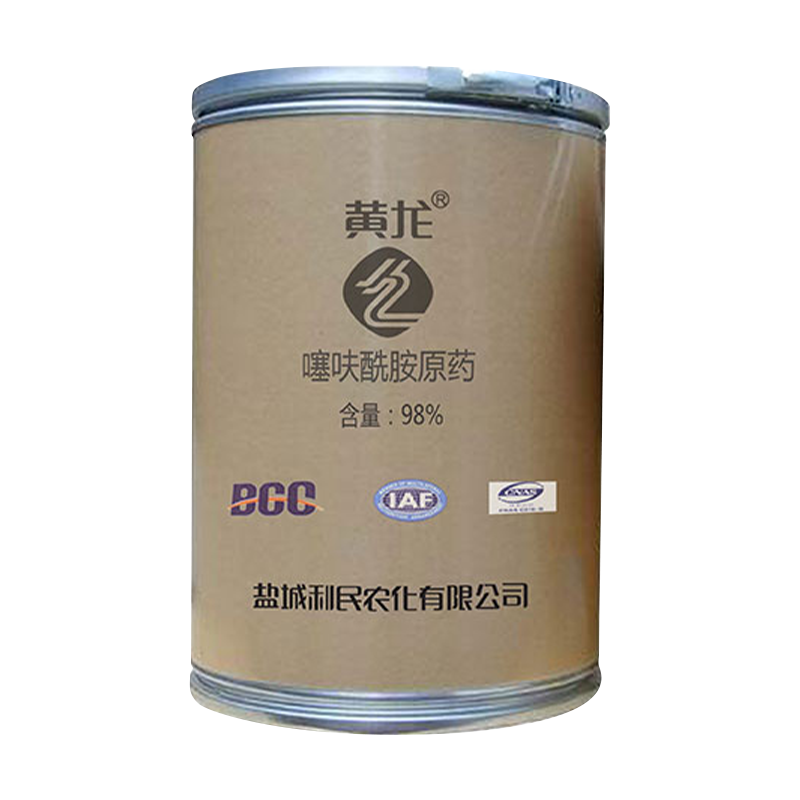
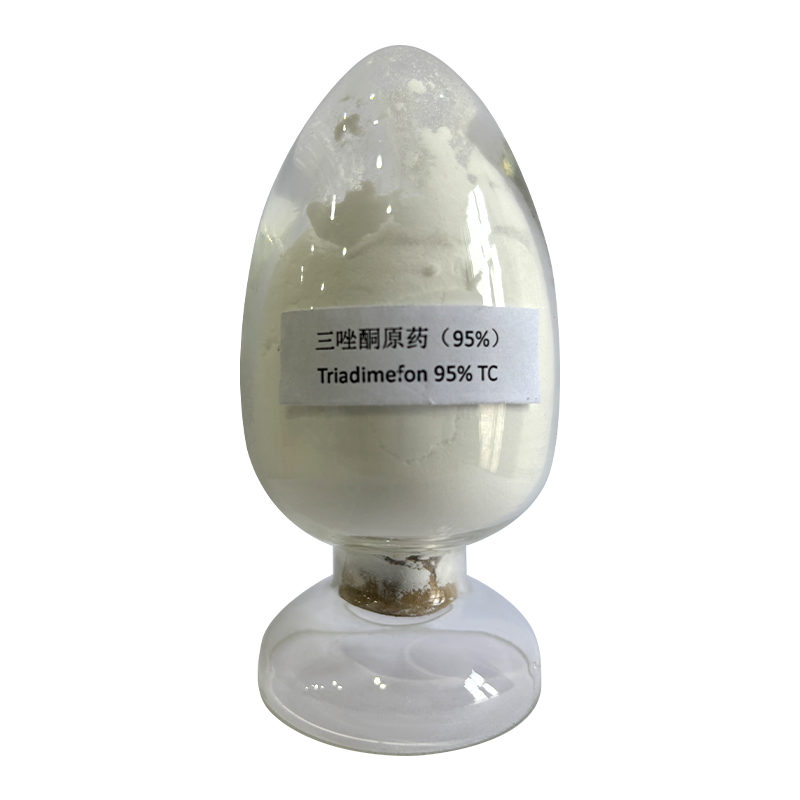
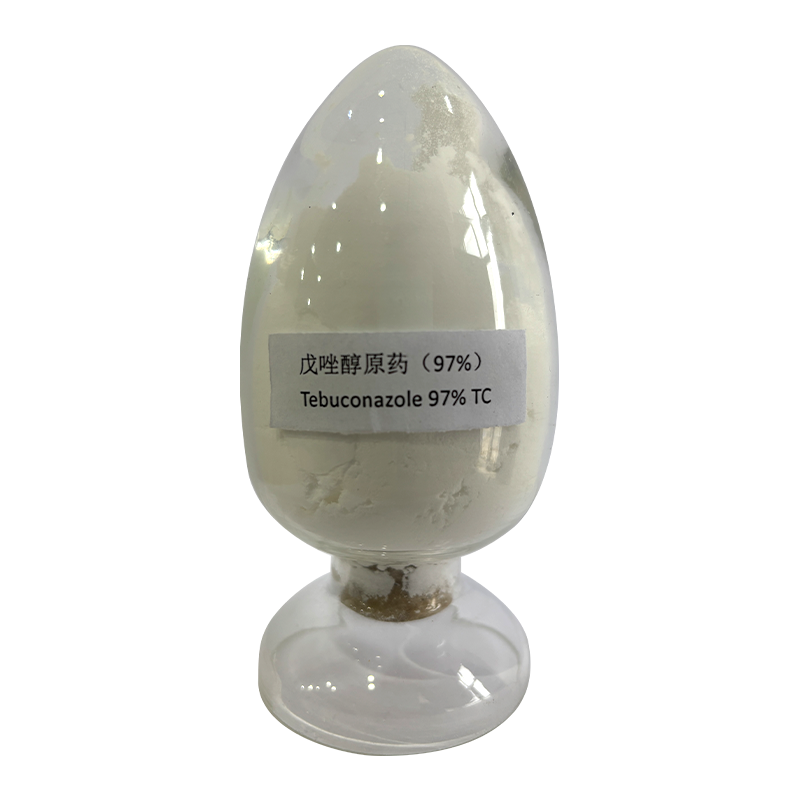
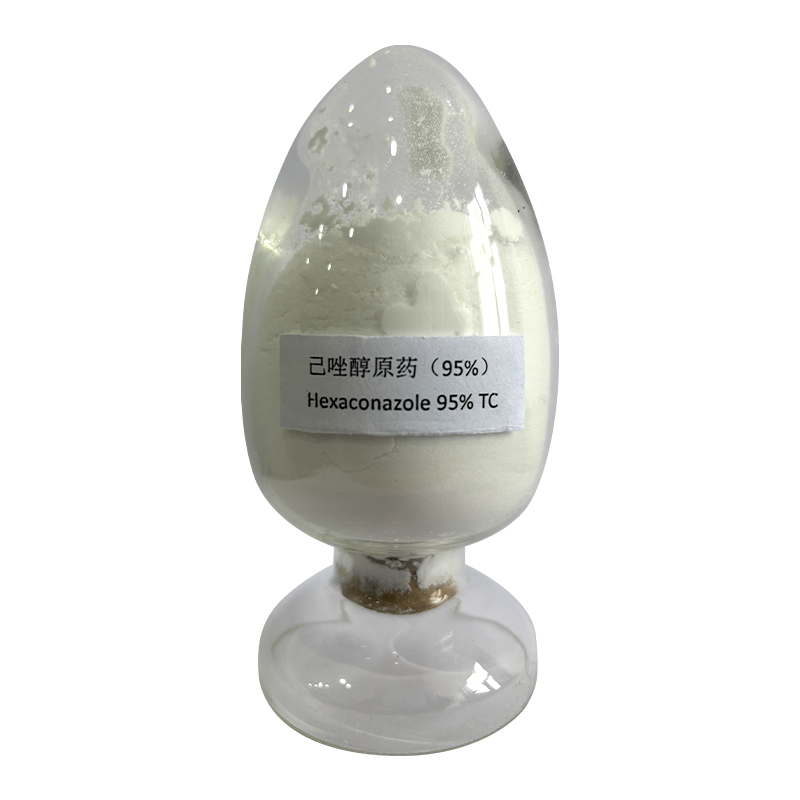
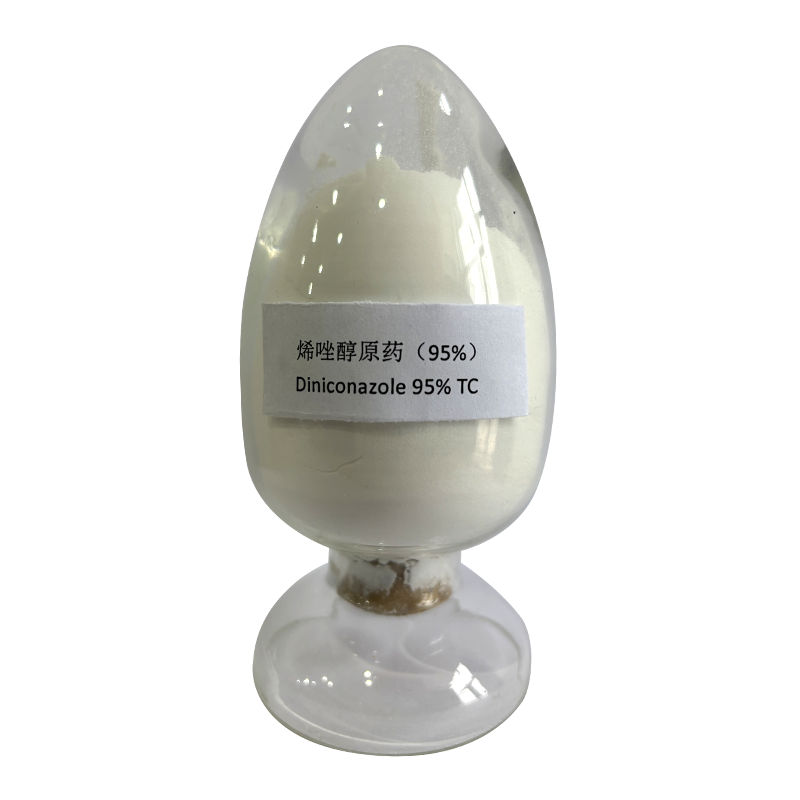
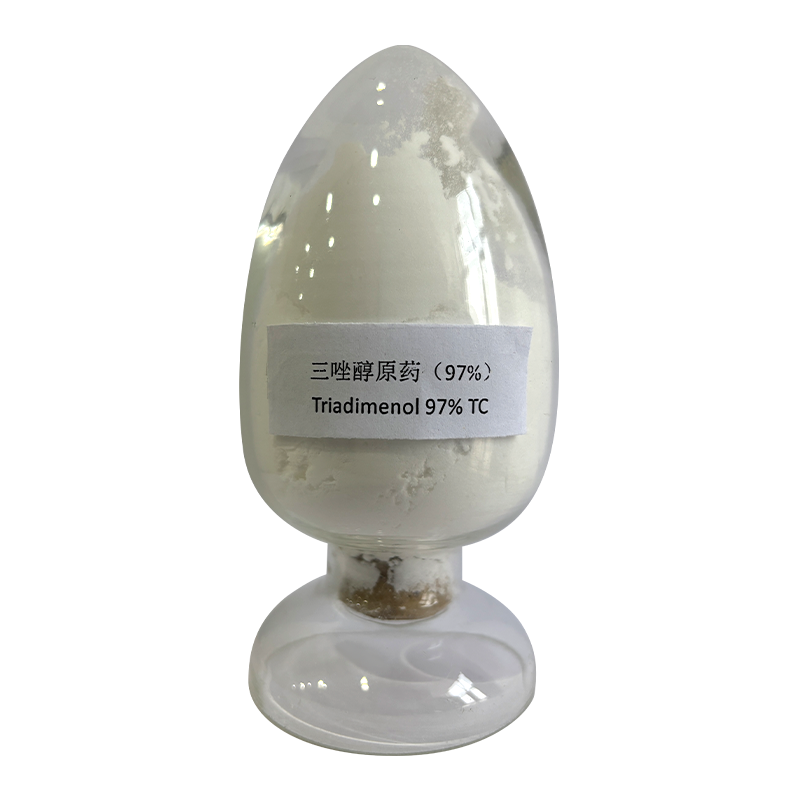
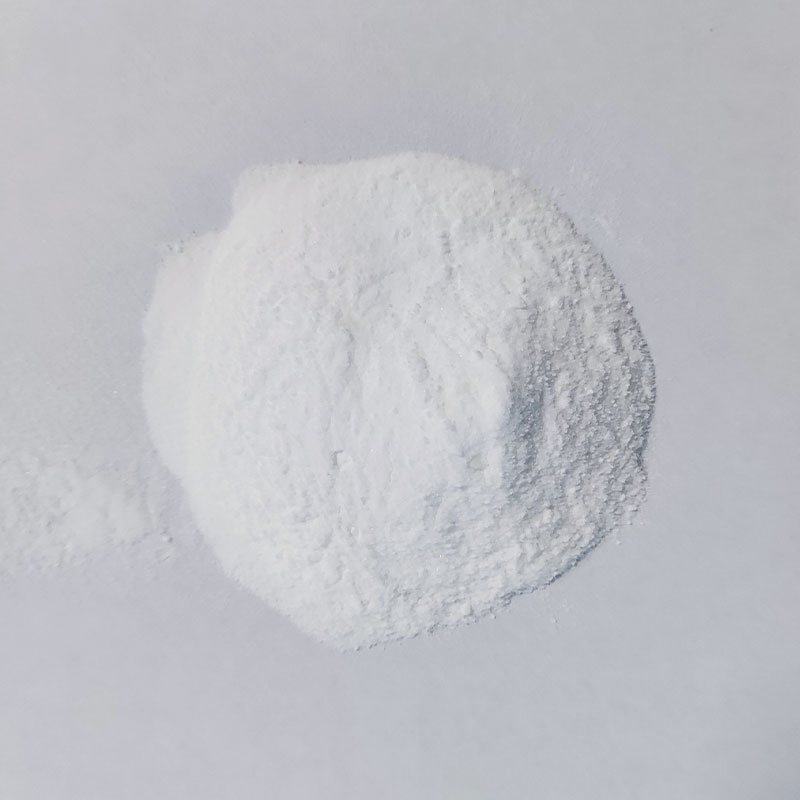
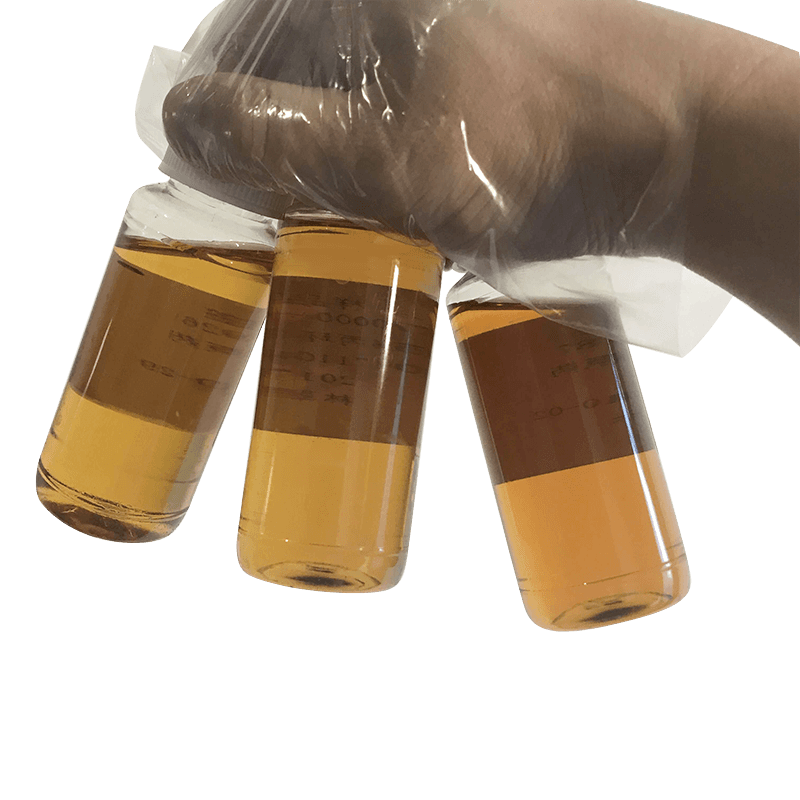
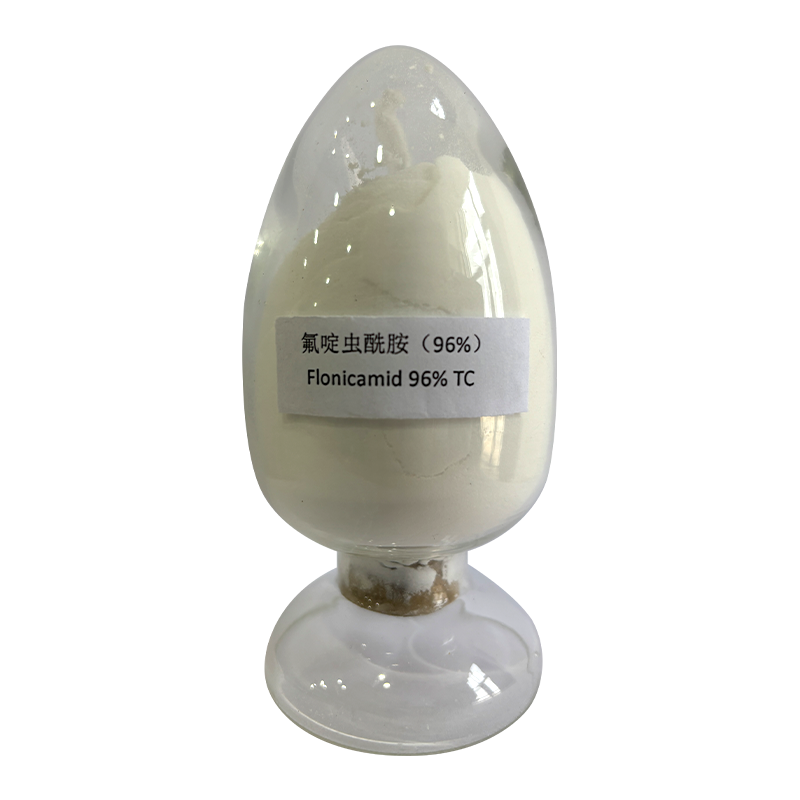
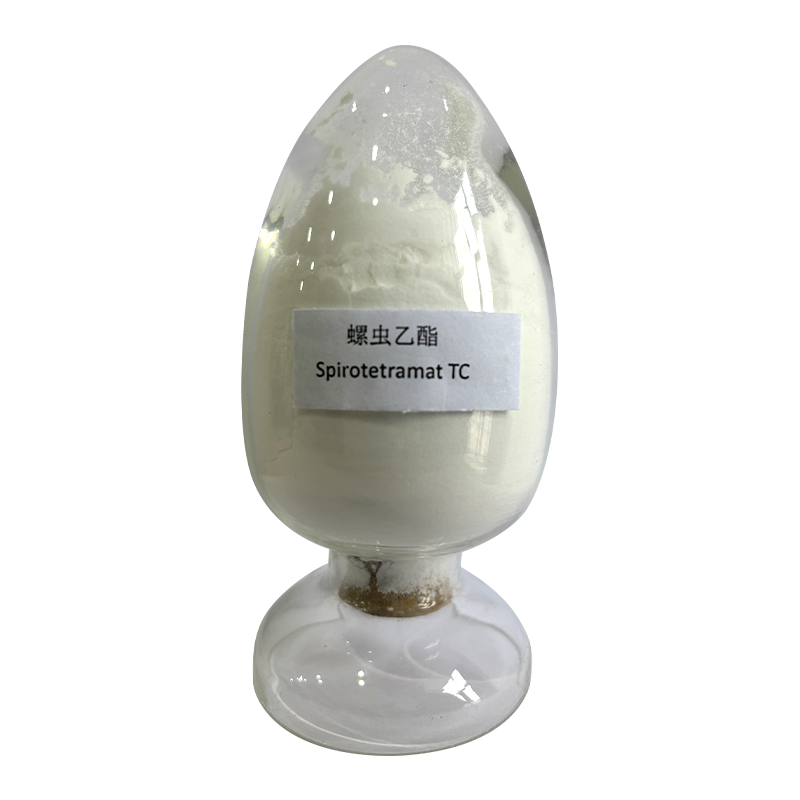
Pesticide technicals refer to unprocessed, high-purity active ingredients in pesticides, serving as the building blocks for pesticide formulations. Technical materials are the actual biologically active chemical substances or organisms themselves (such as microorganisms and antibiotics) in pesticide formulations and are typically not used directly in the field. Technical materials can be solid, liquid, or semisolid, depending on their chemical properties and physical properties such as melting point.
ABOUT LIMIN CHEMICAL
Yancheng Limin Chemical Co., Ltd.

The story of Limin Group began more than three decades ago, on the fertile soil of China. It was an era calling for agricultural modernization, when food security became a national imperative. Our founding was no coincidence—it was a response to the times: harnessing technology to protect crops, and responsibility to safeguard the granary. From a small team of dozens to a global enterprise spanning five continents, we have always believed that agriculture is not merely an industry—it is the foundation of human survival.
As China Pesticide Technical Manufacturers and Pesticide TC Factory, our R&D centers in China, Europe, South America, Southeast Asia, and Africa employ over 200 scientists, tackling challenges in green synthesis, microencapsulation, and biological pest control. With more than 150 core patents, Limin commands a strong voice in the global agrochemical sector, and our involvement in FAO/WHO international pesticide standards has brought "Chinese innovation" to the center of the world stage.
Today, Yangcheng Limin's products serve over 80 countries, protecting more than 6.6 million hectares of farmland. We are not just providers of crop protection—we are guardians of global food security. From the arid lands of Africa, to the highlands of South America, to the rice fields of Southeast Asia—our footprints and commitments are everywhere.
As China Pesticide Technical Manufacturers and Pesticide TC Factory, our R&D centers in China, Europe, South America, Southeast Asia, and Africa employ over 200 scientists, tackling challenges in green synthesis, microencapsulation, and biological pest control. With more than 150 core patents, Limin commands a strong voice in the global agrochemical sector, and our involvement in FAO/WHO international pesticide standards has brought "Chinese innovation" to the center of the world stage.
Today, Yangcheng Limin's products serve over 80 countries, protecting more than 6.6 million hectares of farmland. We are not just providers of crop protection—we are guardians of global food security. From the arid lands of Africa, to the highlands of South America, to the rice fields of Southeast Asia—our footprints and commitments are everywhere.
-
40
Year of Industry Experience
-
100+
Varieties of Pesticides
-
150+
Core Patents
-
80+
Products to Serve Countries
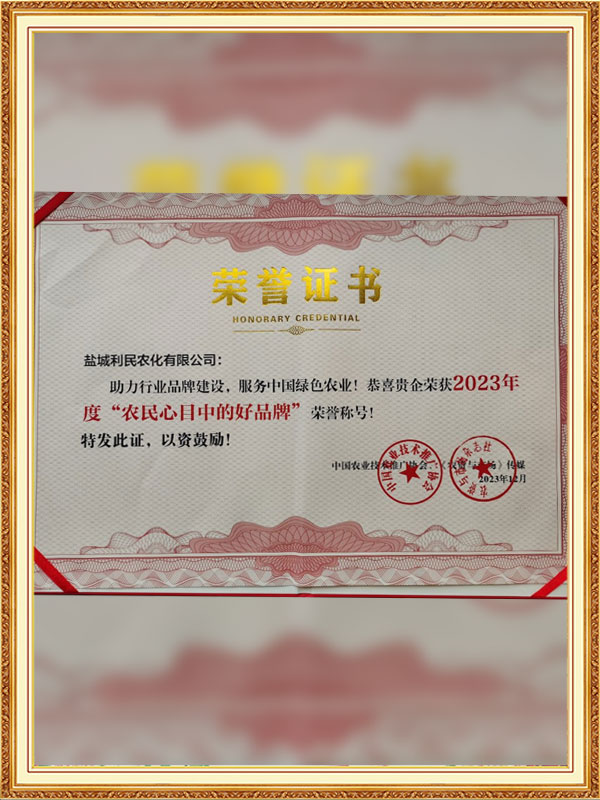
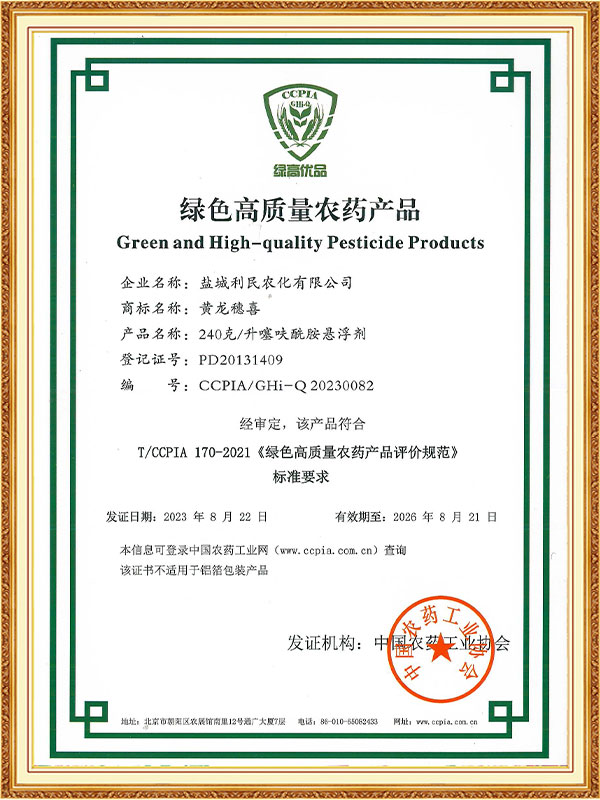
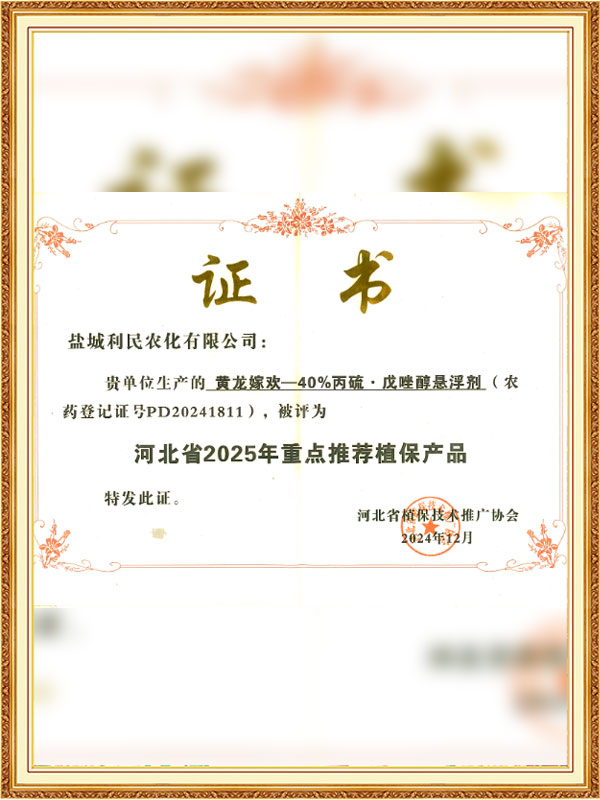
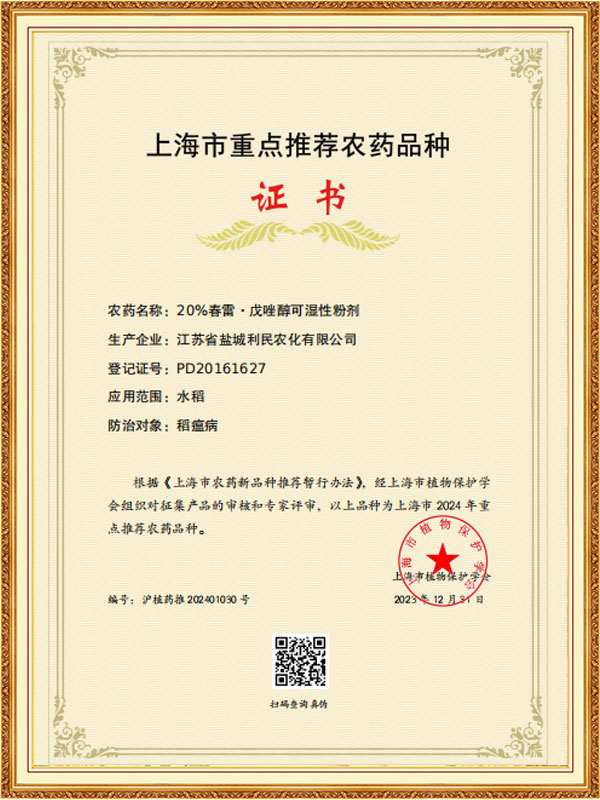
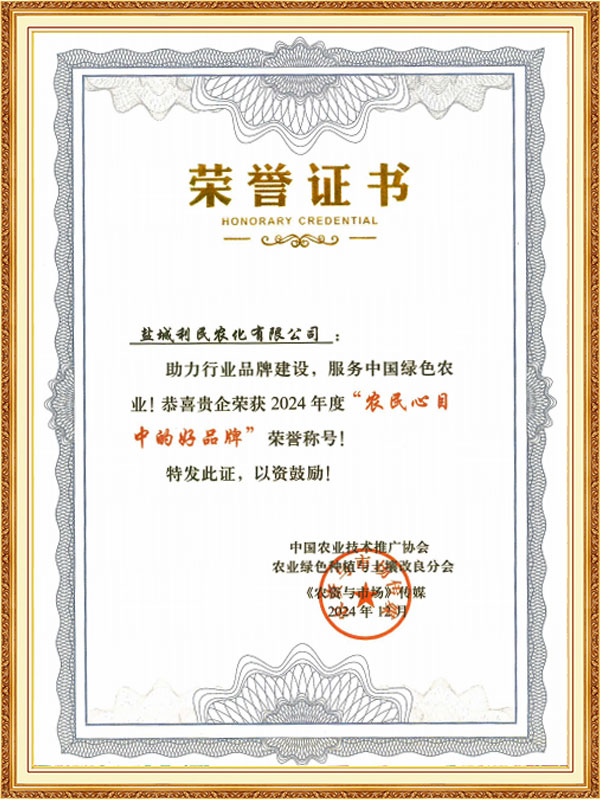
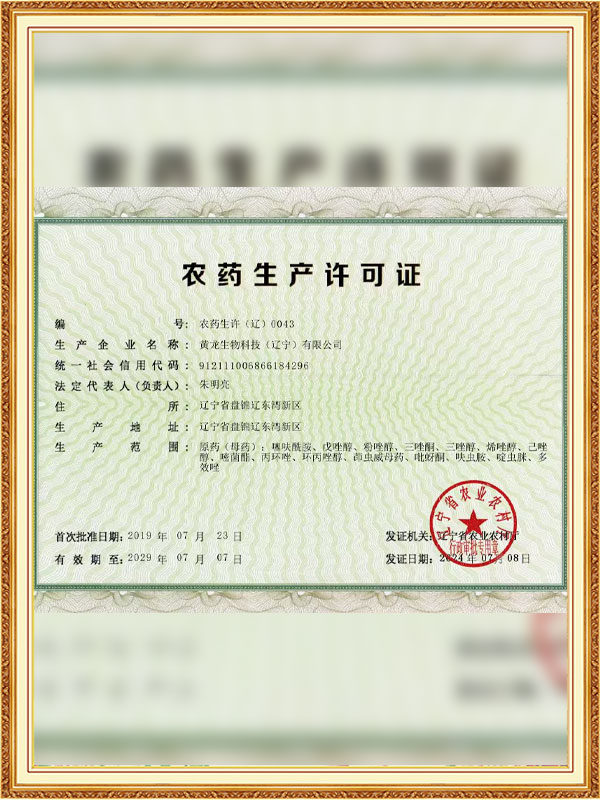
CERTIFICATES
The Honor
We Have Received.
We Have Received.
We have independent intellectual property rights of efficient green pesticide new products, by the State Intellectual Property Office awarded the "national intellectual property advantage enterprise"
News
-
A procurement manager in northern Jiangsu opens a quotation sheet for a 20-hectare vegetable programme and sees four lines: a pyrethroid blend, a neonicotinoid, an organophosphate mixture and something labelled "IGR". Same pest pressure, four chemical families, four very different pre-harvest intervals, four different...
READ MORE -
If a procurement team asks which liquid pesticide formulation can approach 100% active ingredient, the honest answer is that few registered end-use liquids reach that level. The closest practical candidates are ultra-low-volume (ULV) formulations, technical concentrates used as manufacturing inputs, and a narrow group...
READ MORE -
Open a label in any agrochemical warehouse and the first thing a new buyer reads is the name of the active ingredient. Ten minutes later, the same buyer is looking at a small suffix — EC, SC, WDG, EW, WP — and asking whether it matters. It matters a great deal. The formulation of a pesticide decides how easily the pro...
READ MORE
Industry Knowledge
Understanding Pesticide Technicals: Essential Components for Effective Pest Control
Pesticide technicals, also known as active ingredients (AI), form the core component of any pesticide formulation. These high-purity chemicals or organisms serve as the building blocks for creating effective pest control products. Unlike finished pesticide products, which are formulated for direct application in the field, pesticide technicals are unprocessed and highly concentrated. They are typically not applied directly to crops or environments but are instead incorporated into various formulations that facilitate easy and controlled application.
Pesticide technicals can take various forms, such as solids, liquids, or semisolids, depending on their chemical properties, including melting points, solubility, and stability. These characteristics influence how technical materials are formulated, stored, and used in pesticide products. As the foundation of pesticide formulations, these active ingredients are crucial in determining the efficacy, safety, and environmental impact of the final pesticide product.
1. The Role of Pesticide Technicals in Formulation
Pesticide technicals are biologically active substances or organisms, such as microorganisms, bacteria, or fungi, which serve as the primary agents responsible for controlling pests. These technical materials undergo precise processing and blending to create the pesticide formulations that are commonly used by farmers and pest control professionals.
There are various types of pesticide technicals, which are categorized based on their chemical nature and mode of action:
- Fungicides: Active ingredients that target fungal pathogens.
- Insecticides: Active ingredients designed to control insect pests.
- Herbicides: Active ingredients that target weeds and other unwanted vegetation.
- Biological agents: These may include bacteria, viruses, and fungi that act as natural pest control agents.
Each category of pesticide technical is formulated with specific characteristics to address the unique challenges posed by different pests, whether they are fungal infections, insect infestations, or weed overgrowth. Pesticide technicals are crucial in ensuring that the pesticide formulation is both effective and safe for use in various agricultural and pest control applications.
2. Understanding Triadimenol 97% TC: A Case Study
One specific example of a pesticide technical is Triadimenol 97% TC. Triadimenol is a systemic fungicide that primarily targets the synthesis of ergosterol, a critical component of fungal cell membranes. By inhibiting ergosterol synthesis, Triadimenol disrupts the growth and development of fungal structures such as appressoria and haustoria, which are essential for fungal infection and spread. This interference with fungal growth prevents the spread of the disease and helps protect crops from harmful fungal pathogens.
Triadimenol 97% TC is a low-toxicity fungicide that is intended to be used exclusively in pesticide formulations and should not be applied directly to crops or other locations. Its high concentration allows for precise formulation into effective pesticide products that can control a wide variety of fungal diseases.
Some key attributes of Triadimenol technical include:
- Systemic Activity: Triadimenol is absorbed by plants and translocated within them, providing effective protection against fungal pathogens even in areas where spray coverage might be incomplete.
- Low Toxicity: Compared to other fungicides, Triadimenol has low toxicity, making it a safer option for both the environment and non-target organisms, including beneficial insects.
- High Efficacy: Triadimenol is highly effective in preventing the spread of fungal infections and improving crop yield.
Yancheng Limin Chemical Co., Ltd., a leading manufacturer, plays a vital role in the production of Triadimenol 97% TC. The company ensures high-quality production with strict adherence to international environmental standards, ensuring that its pesticide products meet global market requirements.
3. The Production Process of Pesticide Technicals
The production of pesticide technicals is a highly complex and technical process that involves several stages and stringent quality control measures. For manufacturers like Yancheng Limin Chemical Co., Ltd., every step of the production process is critical, from raw material procurement and chemical reactions to final purification and packaging.
3.1 Raw Material Procurement and Selection
The production of pesticide technicals begins with the procurement of high-quality raw materials. These raw materials may be chemical compounds or natural substances such as plant extracts or microorganisms. High-quality raw materials are essential for ensuring the final product's quality.
3.2 Chemical Synthesis Process
The chemical synthesis process is a crucial step in the production of pesticide technicals. For example, the synthesis of Triadimenol involves complex chemical reactions that must be conducted under controlled conditions to ensure the purity and stability of the final product. The synthesis process requires precise control of temperature, pressure, and reaction time to achieve high efficacy.
3.3 Refining and Purification
After the synthesis process is complete, the pesticide technicals undergo refining and purification to remove by-products and impurities. High-purity technicals are crucial to ensure their effectiveness in pesticide formulations.
3.4 Packaging and Storage
The packaging and storage of pesticide technicals are equally important, especially when shipping to global markets. Yancheng Limin Chemical Co., Ltd. adheres to international standards, ensuring that their pesticide technicals remain stable and uncontaminated during transportation and storage.
4. Market Demand and Global Supply Chain
The market demand for pesticide technicals is primarily driven by agricultural development and changes in environmental regulations. With the growing global population and the reduction of arable land, the demand for effective and environmentally friendly pesticides continues to increase. Additionally, many countries are imposing stricter environmental regulations on pesticides, which encourages manufacturers to develop low-toxicity, biodegradable pesticide technicals to meet market demand.
Yancheng Limin Chemical Co., Ltd. and other manufacturers have recognized the potential of global markets and are actively expanding into emerging markets, especially in Asia, Africa, and South America. These regions are experiencing rapid agricultural modernization, leading to a significant increase in pesticide demand.
5. Environmental Impact and Sustainable Development in Pesticide Technicals
As environmental awareness increases, the pesticide industry is facing stricter environmental regulations. Many countries are raising the bar for pesticide usage and emissions, requiring lower environmental and human health impacts. Yancheng Limin Chemical Co., Ltd. places a high priority on environmental protection in its production process by introducing green synthesis technologies and sustainable manufacturing practices to reduce pollution.
Additionally, the rise of biological and green pesticides has led to an increasing demand for low-toxicity, environmentally friendly pesticide technicals. Many manufacturers, including Yancheng Limin Chemical Co., Ltd., are investing heavily in the development of biological pesticides to meet this trend.
6. Future Trends
The future of the pesticide technicals industry will face new technological challenges and market opportunities. As agricultural technology continues to evolve and environmental regulations become stricter, manufacturers of pesticide technicals will need to develop more efficient, safe, and environmentally friendly products. Furthermore, the rise of smart agriculture and precision farming will open new opportunities for the production and application of pesticide technicals.
Yancheng Limin Chemical Co., Ltd. will continue to focus on developing innovative pesticide technicals to meet the global demand for effective, low-toxicity, and environmentally friendly products while strengthening its collaborations with global pesticide formulation manufacturers.
Pesticide Technicals: Types and Characteristics
| Pesticide Technical Type | Main Use | Mode of Action | Common Examples | Physical State | Safety Characteristics |
|---|---|---|---|---|---|
| Fungicides | Control plant fungal diseases | Inhibit fungal cell wall synthesis or interfere with enzyme systems | Triadimenol, Mancozeb, Azoxystrobin | Solid/Liquid | Low toxicity |
| Insecticides | Control insect pests | Neurotoxic or physiological disruption | Imidacloprid, Chlorpyrifos, Diazinon | Solid/Liquid | Moderate toxicity |
| Herbicides | Control weeds and unwanted vegetation | Inhibit photosynthesis or growth regulation | Glyphosate, Atrazine, 2,4-D | Liquid/Solid | Moderate toxicity |
| Biological Agents | Control pests and pathogenic microorganisms | Utilize natural organisms or substances for pest control | Bt (Bacillus thuringiensis), Mycobacterium | Liquid/Solid | Low toxicity, environmentally friendly |
The table above outlines the key characteristics and applications of various types of pesticide technicals. By understanding the diversity of pesticide technicals, readers can appreciate their roles in different agricultural settings and the broader industry.

Contact info.
 Tel: +0086(515)88719699
 Phone: +86-18261226148
 E-mail: limin@chinapesticides.com
 Add: 21F & 22F, Jinhang Fortune Building, No. 988 Luming Road, Yancheng City, Jiangsu Province, China
Im.&Ex. Departemt
Tel:+0086(515)88356821
E-mail:
lany@chinapesticides.comylj@chinapesticides.com
sales6@chinapesticides.com
ivan@chinapesticides.com
Follow Us
Get a Free Quote
Copyright © Yancheng Limin Chemical Co., Ltd. All Rights
Reserved
 Custom Pesticide Technical Factory