

 EN
EN
 English
  中文简体
中文简体 Industry News
All articles
Content
- 1 Fundamental Principles and Composition of Insecticide Formulations
- 2 Liquid Insecticide Formulations and Delivery Dynamics
- 3 Dry and Solid Insecticide Formulations
- 4 Specialized Delivery Systems and Structural Formulations
- 5 Physicochemical Factors Governing Field Efficacy
- 6 Application Methods and Equipment Integration
Industry News
What is an insecticide formulation?
An insecticide formulation is the precise mixture of an active chemical compound with inert materials, carriers, surfactants, and specialized adjuvants to create a stable, safe, and effective crop protection product. Pure insecticidal active ingredients are rarely suitable for direct field application. In their raw technical state, active chemical molecules often present physical forms such as thick viscous oils, crystalline solids, waxy masses, or volatile liquids that cannot be evenly distributed across target vegetation or pest environments. Formulating an insecticide transforms these raw technical materials into usable commercial products that can be diluted in water, sprayed through hydraulic nozzles, applied as dry granules, or distributed via thermal fogging equipment. The process of formulation bridges the critical gap between laboratory synthetic chemistry and practical pest management in agriculture, public health, and structural pest control.
Developing a commercial insecticide formulation requires balancing complex chemical, physical, and biological requirements. The finished formulation must protect the active ingredient from rapid environmental degradation caused by ultraviolet radiation, temperature fluctuations, and chemical hydrolysis during storage. At the same time, it must ensure uniform dispersion in spray tanks, facilitate optimal droplet deposition on plant leaves, promote penetration through the protective insect cuticle, and maintain safety for human handlers, crops, and non target organisms. Understanding the composition, physical characteristics, and application mechanics of different formulation types allows agricultural managers, agronomists, and pest control operators to select the optimal product for specific crop structures, pest behaviors, and environmental conditions.
Fundamental Principles and Composition of Insecticide Formulations
The basic structure of any commercial insecticide consists of two primary categories of components, namely active ingredients and inert formulation additives. The interaction between these constituents determines the physical state, shelf stability, dilution properties, and biological performance of the final spray mixture.
Active Ingredient Integration and Chemical Stabilization
The active ingredient represents the specific chemical compound responsible for biological toxicity against target insect pests. It interacts directly with physiological systems inside the target pest, such as the central nervous system, cellular respiration pathways, chitin synthesis processes, or digestive enzymes. In commercial documentation and product labels, the concentration of active ingredient is explicitly stated as a percentage of total weight or as a specific weight per unit volume, such as grams per liter.
Because pure active ingredients are often chemically delicate, the formulation process must provide protective stabilization. Synthetic pyrethroids, organophosphates, carbamates, neonicotinoids, diamides, and insect growth regulators each exhibit unique chemical vulnerabilities. Exposure to trace ambient moisture, oxygen, or direct light can induce rapid molecular breakdown before the product ever reaches the farm or distributor. Formulators integrate chemical stabilizers, ultraviolet light absorbers, antioxidants, and pH buffering agents directly into the mixture to preserve molecular integrity. This structural stabilization ensures that the active compound remains potent throughout multi year storage periods across varying climatic regions.
Roles of Inert Ingredients, Carriers, and Solvents
All constituents in an insecticide product that do not possess direct biological activity against the target pest are categorized as inert ingredients. Despite the designation inert, these ingredients perform vital physical and chemical functions that dictate product performance, operator safety, and application efficiency.
Carriers serve as the bulk medium that dilutes and distributes the concentrated active ingredient. In dry formulations, carriers consist of inert mineral powders such as kaolin clay, talc, diatomaceous earth, attapulgite, or synthetic silica. These mineral particles provide high surface area for absorbing liquid active ingredients while maintaining free flowing powder characteristics. In liquid formulations, solvents act as the liquid carrier. These can include aromatic petroleum distillates, paraffinic oils, plant derived vegetable oils, glycols, or purified water. The choice of solvent depends heavily on the chemical solubility profile of the active ingredient, thermal safety limits, flash point thresholds, and crop phytotoxicity parameters.
Adjuvants, Stickers, and Penetrants in Field Application
Surfactants and emulsifiers represent essential functional inert ingredients that modify surface properties at phase boundaries. Because many active ingredients are highly lipophilic and hydrophobic, meaning they dissolve readily in oils but resist mixing with water, they cannot be poured directly into a water filled spray tank. Emulsifiers, which contain both hydrophilic water loving and lipophilic oil loving chemical regions, reduce interfacial tension between water and solvent phases. This allows insoluble oily concentrates to form stable emulsions in water that remain uniformly dispersed during application.
Additional performance additives are integrated to optimize field deposition and target coverage. Wetting agents decrease the surface tension of liquid spray droplets, causing them to spread broadly across waxy plant leaves rather than bouncing off or forming high contact angle beads. Dispersants prevent solid particles in suspended formulations from clumping together and settling to the bottom of spray tanks. Stickers and rainfastness polymers help bind the deposited active ingredient to leaf surfaces, resisting wash off from heavy rainfall or overhead irrigation. Penetration promoters temporarily disrupt the hydrophobic wax layers of plant leaves or insect cuticles, accelerating the systemic uptake or contact entry of the insecticidal compound.
Liquid Insecticide Formulations and Delivery Dynamics
Liquid formulations remain the most common commercial products used in agricultural and industrial pest control. Their popularity stems from ease of measurement, rapid mixing in water, and compatibility with modern hydraulic spraying equipment.
Emulsifiable Concentrates and Soluble Concentrates
An emulsifiable concentrate, commonly designated as EC, is a liquid formulation containing a technical active ingredient dissolved in an organic solvent along with one or more emulsifying agents. When added to water in a spray tank, the emulsifiers immediately action a spontaneous dispersion process, creating a milky white oil in water emulsion. The resulting droplets of solvent and active ingredient remain suspended throughout the water column with minimal tank agitation.
Emulsifiable concentrates offer high bioavailability because the active ingredient is already fully dissolved in a liquid phase. This liquid state allows rapid absorption through the thin insect cuticle or plant leaf surface. However, EC formulations present specific operational considerations. The organic solvents used in EC products can cause rubber seals, hoses, and O rings in spray equipment to swell or degrade over time. Furthermore, certain solvents increase the risk of leaf burn or phytotoxicity when applied during high temperature periods or on sensitive plant tissue.
A soluble concentrate, designated as SL, is a liquid formulation where both the active ingredient and carrier system are completely soluble in water. When poured into the spray tank, an SL product dissolves entirely to form a true, transparent liquid solution. Because no suspended oil droplets or solid particles exist in an SL mixture, agitation requirements are minimal, and equipment wear is extremely low. However, SL formulations are limited to active ingredients that possess high intrinsic water solubility and stable chemical profiles in aqueous environments.
Suspension Concentrates and Flowable Formulations
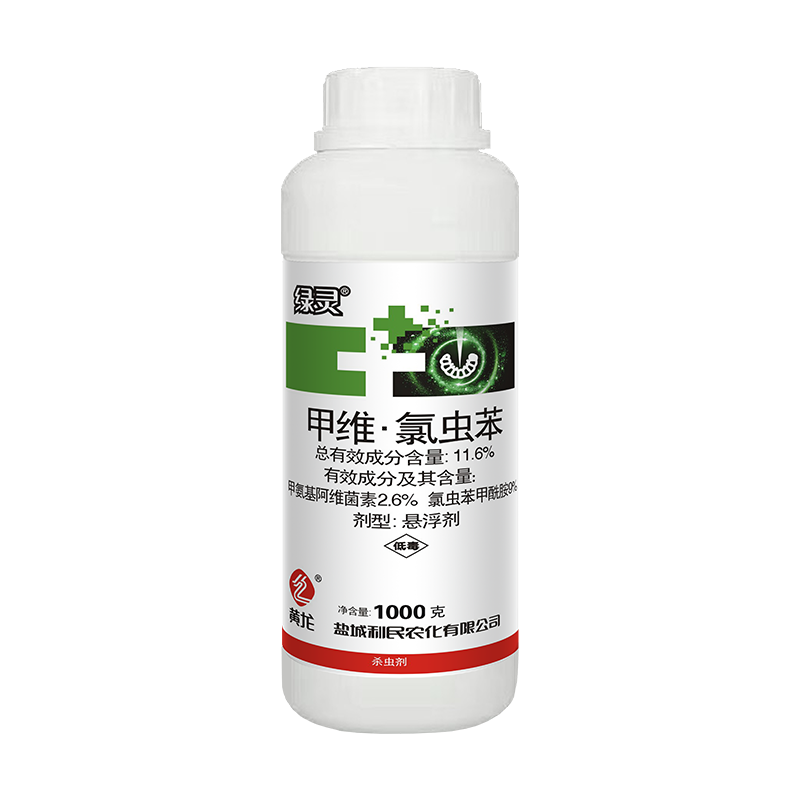
A suspension concentrate, commonly designated as SC or flowable FL, consists of fine solid particles of an active ingredient suspended within an aqueous liquid phase. SC formulations are developed specifically for active ingredients that are insoluble in both water and common organic solvents, or where organic solvents present severe crop phytotoxicity or fire safety hazards.
To manufacture an SC product, the solid active ingredient undergoes intensive wet milling technology, reducing particle sizes down to a narrow range between one and five microns. These micronized solid particles are suspended in water along with wetting agents, dispersants, thickening agents, and antifreeze compounds. The resulting product is a viscous, pourable liquid that mixes easily with water in the spray tank to form a stable suspension. Because SC formulations are water based and contain no harsh organic solvents, they are soft on crop foliage, exhibit low odor, present low flash points, and reduce dermal absorption risks for applicators. Continuous mild agitation in the spray tank is recommended to maintain uniform particle distribution during application.
Capsule Suspensions and Controlled Release Systems
Microencapsulation technology represents a major advancement in liquid formulation engineering. A capsule suspension, designated as CS, consists of microscopic liquid droplets or solid cores of active ingredient encased within continuous polymeric microcapsule shells, suspended in an aqueous carrier liquid. The microcapsule walls are typically synthesized from polyurea, polyurethane, or polyamide polymers using interfacial polymerization techniques.
The primary advantage of CS formulations is controlled release velocity. Once sprayed onto vegetation or structural surfaces, the active ingredient slowly diffuses through the porous polymer wall over an extended period. This controlled diffusion extends residual control for weeks or months, significantly reducing the required application frequency. Furthermore, microencapsulated formulations offer enhanced safety profiles. The polymeric wall physically isolates the toxic active ingredient during handling, lowering acute dermal and oral toxicity to applicators. Microencapsulation also protects delicate active ingredients from rapid photo degradation caused by sunlight and reduces ambient odor in indoor structural treatments.
Ultra Low Volume Concentrates and Specialized Spray Solutions
An ultra low volume concentrate, designated as ULV, is a highly concentrated liquid formulation designed to be applied directly without water dilution, or with minimal specialized carrier oils. ULV formulations typically contain high percentages of active ingredient dissolved in specialized, low volatility organic solvents.
ULV applications utilize specialized equipment, such as rotary atomizers or thermal foggers, to generate extremely narrow droplet size spectrums ranging from ten to fifty microns. Because the liquid drops do not evaporate rapidly in air, ULV formulations allow large land areas to be treated rapidly using ultra low total spray volumes, often less than five liters per hectare. This formulation type is widely deployed in mosquito vector control programs, locust control operations, and large scale forest pest management. However, because ULV sprays consist of very small droplets applied in high concentrations, spray drift management demands strict weather monitoring and precise pilot or operator execution.
Dry and Solid Insecticide Formulations
Dry formulations are manufactured as solid powders, granules, or compressed tablets. They are utilized when liquid solvents are incompatible with active ingredients, or when specific application equipment, soil incorporation methods, or targeted baiting systems are required.
Dustable Powders and Direct Application Granules
A dustable powder, designated as DP, is a dry formulation containing a low concentration of active ingredient, typically between one and ten percent, blended with finely ground mineral carriers such as talc, clay, or chalk. DP formulations are applied dry directly from the container using mechanical dusters or hand shakers, without any water mixing. They are used for treating animal livestock, stored grain bins, structural cracks, and dense crop canopies where water transport is impractical. The major disadvantage of dustable powders is atmospheric drift hazard. The fine, light particles easily float away from target zones, creating inhalation hazards for operators and environmental drift contamination risk.
A granule formulation, designated as GR, consists of solid, free flowing particles of uniform size, typically larger than dust particles, where the active ingredient is absorbed onto or impregnated into an inert core matrix. Granule cores are made from materials such as clay, attapulgite, corn cobs, peanut hulls, or extruded fertilizer materials. Granules are designed for dry direct application to soil surfaces, crop whorls, or aquatic environments using broadcast spreaders or seed drill attachments.
GR products offer notable environmental and handling advantages. Their relatively large particle size eliminates wind drift during application, and the dry nature avoids solvent phytotoxicity. Granules gradually release their active ingredient into soil moisture, providing sustained root uptake for systemic insecticidal protection against soil dwelling pests like rootworms, wireworms, and grubs.
Wettable Powders and Water Dispersible Granules
A wettable powder, designated as WP, is a dry, finely divided formulation containing a high concentration of active ingredient, typically twenty to eighty percent, mixed with dry mineral carriers, wetting agents, and dispersants. Although WP products look like dusts, they are not intended for dry direct application. Instead, they must be mixed with water in a spray tank, where they form a physical suspension of solid particles.
Wettable powders are versatile, cost effective to transport due to the absence of liquid solvents, and soft on sensitive crop tissue. However, WP formulations present several operational handling drawbacks. Measuring and pouring dry powders generates airborne chemical dust, creating significant inhalation exposure hazards for workers preparing spray mixes. In the spray tank, solid WP particles do not dissolve; they require continuous, aggressive mechanical agitation to prevent rapid settling to the bottom. Furthermore, suspended solid mineral particles can cause abrasive wear on pump impellers and nozzle orifices over extended use.
Water dispersible granules, designated as WDG or dry flowable WG, were engineered specifically to eliminate the dust hazards associated with wettable powders while retaining their agronomic advantages. WDG products consist of small, extruded granules or agglomerated micro spheres composed of active ingredient, wetting agents, dispersants, and water soluble binding agents.
When added to water, the binding agents dissolve rapidly, causing the granules to disintegrate completely into fine suspended particles identical to a wettable powder suspension. WDG formulations pour cleanly out of containers without producing airborne dust clouds, measure accurately by volume or weight, and disperse rapidly in water with gentle agitation. Consequently, WDG formulations have largely replaced traditional WP products in commercial agriculture.
Soluble Powders and Dry Flowables
A soluble powder, designated as SP, is a dry formulation containing a water soluble active ingredient mixed with soluble dry diluents, such as salt or sugar matrices, alongside wetting agents. When added to the spray tank, both the active ingredient and carrier dissolve completely, forming a true liquid solution. SP products combine the transport cost advantages of dry formulations with the non abrasive, non settling qualities of liquid solutions. However, their use is strictly restricted to active chemical molecules that possess high intrinsic water solubility.
Dry flowable products function similarly to water dispersible granules, relying on advanced spray drying or fluid bed granulation processes during manufacturing. These formulations flow freely like liquids during measuring, dissolve or disperse rapidly upon contact with water, and exhibit long shelf stability without risk of liquid phase separation or freezing during storage in cold climates.
Specialized Delivery Systems and Structural Formulations
Beyond general broadacre agricultural sprays, specific pest control applications require specialized formulation designs engineered for targeted delivery, pest behavior exploitation, or enclosed space treatment.
Insecticide Baits and Gel Formulations
An insecticide bait is a formulation engineered specifically to exploit the feeding behavior of target pests. A bait contains a relatively low concentration of active ingredient, usually less than five percent, combined with palatable food attractants, phagostimulants, moisture retention agents, and structural binders.
Bait formulations are deployed extensively in urban structural pest management against pests such as ants, cockroaches, termites, and rodents, as well as in agriculture for fruit fly and snail control. Gel formulations are a specific class of bait possessing high viscosity and moisture holding capacity, applied via precision syringe dispensers into structural cracks and crevices.
The key design requirement for a successful bait formulation is palatable, slow acting lethality. The active ingredient must not act so rapidly that the foraging pest dies before returning to the nest or colony. Delayed action allows social insects to transport the toxic bait back to subterranean nests, sharing the food matrix with larvae, worker nestmates, and queens through trophallaxis, ultimately causing complete colony elimination.
Aerosols, Pressurized Sprays, and Thermal Fogging Solutions
Aerosol formulations are self contained pressurized delivery systems holding an active ingredient, organic solvents, and a compressed gas or liquefied hydrocarbon propellant inside a sealed metal canister. When the valve actuator is depressed, internal pressure forces the solution through a fine orifice, atomizing the liquid into an airborne mist of small droplets.
Aerosols are designed for fast knockdown of flying and crawling insects in residential, commercial, and food handling environments. Thermal fogging formulations are specialized liquid mixtures containing active ingredients dissolved in heavy oil carriers or glycols. When injected into the hot exhaust stream of a thermal fogging generator, the liquid vaporizes instantly and condenses upon contact with ambient air, forming dense clouds of micron sized fog droplets that penetrate thick foliage canopy or complex indoor structural spaces.
Fumigants and Vapor Phase Insecticidal Compounds
A fumigant is a chemical formulation that acts entirely in the gaseous phase. Unlike aerosols or fogs, which consist of suspended liquid droplets, fumigants consist of small volatile molecules that exist as true gas at ambient temperatures and pressures.
Fumigants possess high diffusion capabilities, allowing the gaseous active principle to penetrate deep into bulk stored grain masses, structural wood timbers, soil profiles, and sealed shipping containers to kill all life stages of target insects, including eggs. Common fumigant active principles include phosphine gas released from solid aluminum phosphide tablets exposed to atmospheric moisture, and sulfuryl fluoride used for structural drywood termite treatments. Because fumigant gases are non selective, highly toxic to humans, and present zero residual barrier protection once ventilated, their handling is strictly regulated and restricted to certified professional applicators using specialized containment protocols.
Physicochemical Factors Governing Field Efficacy
The biological efficacy of an insecticide formulation in the field depends directly on physical chemistry principles that govern how spray droplets interact with target surfaces, weather conditions, and tank mixing partners.
Surface Tension, Wetting Angles, and Cuticular Contact
When a spray droplet exits a nozzle tip and strikes a leaf or insect cuticle, its behavior is dictated by surface tension and contact angle mechanics. Liquid water possesses a high surface tension of approximately seventy-two millinewtons per meter. Plant leaves and insect exoskeletons are coated with hydrophobic lipophilic waxes, which naturally repel pure water droplets.
If an insecticide formulation lacks proper wetting agents, the spray droplets maintain a high contact angle exceeding ninety degrees upon landing. High contact angle droplets tend to roll off tilted leaf surfaces, bounce off during impact, or bead up into isolated domes, resulting in poor chemical coverage and high ground loss. Formulators integrate organosilicone or nonionic surfactants to reduce dynamic surface tension down to twenty or thirty millinewtons per meter. This surface tension reduction decreases the contact angle to less than thirty degrees, allowing the liquid to spread into a thin, uniform liquid film across the target surface, maximizing biological contact exposure.
Droplet Size Distribution and Drift Susceptibility
The physical droplet spectrum generated by hydraulic spray nozzles plays a vital role in balancing target coverage against off target environmental drift. Droplet size is measured in microns and categorized by Volume Median Diameter, designated as VMD.
Very fine droplets under one hundred microns offer dense coverage per unit volume but are highly susceptible to wind drift and atmospheric evaporation before reaching the canopy. Conversely, very coarse droplets above four hundred microns resist wind drift but provide fewer droplets per square centimeter of leaf area and are prone to rolling off waxy leaves. Insecticide formulations are engineered to interact with nozzle hydraulics to produce stable droplet spectra, often integrating drift reduction polymers that eliminate extreme ultra fine droplets while maintaining effective canopy coverage.
Storage Stability, Thermal Degradation, and Tank Compatibility
Commercial insecticide formulations must remain physically and chemically stable across wide temperature variations encountered during shipping and warehouse storage. Storage testing subjects formulations to elevated thermal regimes of fifty-four degrees Celsius for accelerated aging assessment, as well as sub zero freeze thaw cycles.
Cold temperatures can cause liquid formulations to undergo phase separation, crystal growth, or solvent precipitation. If an emulsifiable concentrate freezes and its active ingredient crystallizes out of solution, the crystals may not easily redissolve upon thawing, leading to severe nozzle clogging and reduced field efficacy. Formulators add glycol antifreeze agents and cosolvents to prevent low temperature crystallization.
In the spray tank, physical compatibility with other agrochemicals is a major operational factor. Applicators frequently mix insecticides with fungicides, herbicides, liquid foliar fertilizers, and water conditioners to save labor costs. Incompatible mixtures can result in severe chemical reactions, leading to tank precipitation, heavy flocculation, thick gel formation, or rapid alkaline hydrolysis, where alkaline water breaks down active molecules within minutes. Using buffering agents to adjust spray water pH to a range between five and six point five helps protect sensitive ester bonds in organophosphate and pyrethroid active ingredients from alkaline degradation.
Application Methods and Equipment Integration
The physical formulation dictates the exact spray equipment setup, nozzle selection, agitation mechanics, and filtration systems required to deliver the insecticide to the target field site efficiently.
Hydraulic Nozzle Interaction and Agitation Requirements
Proper delivery of liquid spray mixtures requires matching the formulation type with appropriate hydraulic spray nozzles and internal strainer screens. Different formulations exhibit distinct fluid mechanics inside spray pumps and lines.
Suspension concentrates and wettable powders contain suspended solid particles that settle rapidly if tank agitation stops. Hydraulic jet agitators or mechanical paddle agitation systems must run continuously from the moment of mixing until the tank is completely emptied. If agitation fails during application, the solid particles settle to the bottom, resulting in an overconcentrated initial spray output that can burn crops, followed by an underconcentrated output that fails to control target pests.
Nozzle strainer mesh size must also be calibrated to the formulation type. Wettable powders require coarse fifty mesh screens to prevent clogging, whereas soluble concentrates and emulsifiable concentrates can pass through fine one hundred mesh screens without restriction. Additionally, abrasive formulations like wettable powders cause rapid erosion of soft brass nozzle orifices, expanding the orifice opening and causing heavy overapplication. Applicators using abrasive formulations should install hardened stainless steel, ceramic, or polyacetal nozzle tips to preserve accurate flow calibration over time.
Environmental Fate, Worker Safety, and Exposure Reduction
Selecting the appropriate formulation type is a primary mechanism for mitigating occupational hazards and reducing off target environmental impacts. Occupational exposure to pesticides occurs mainly through dermal absorption and respiratory inhalation during the measuring and mixing phase.
Dry formulations that generate airborne dust, such as wettable powders, present high inhalation hazards to agricultural workers. Transitioning to water dispersible granules or liquid suspension concentrates eliminates dust clouds, significantly improving worker breathing safety. Similarly, replacing volatile organic solvent based emulsifiable concentrates with water based capsule suspensions lowers dermal toxicity risks, reduces chemical odors, and decreases volatile organic compound emissions into the atmosphere.
Environmental protection strategies also rely on intelligent formulation choices. Soil applied granules reduce off target spray drift, protecting beneficial insect pollinators like honeybees that forage on crop blossoms. Controlled release capsule suspensions lower the peak concentration of active chemical present in the environment at any single moment, reducing the risk of toxic runoff into aquatic streams while maintaining effective, long term biological suppression of target insect populations.
![1-(4-chloro-phenyl)-4,4-dimethyl-2-[1,2,4]triazol-1-yl-pentan-3-one](/chinapesticides/2025/12/11/1-4.jpg "1-(4-chloro-phenyl)-4,4-dimethyl-2-[1,2,4]triazol-1-yl-pentan-3-one")
Related News

Contact info.
 Tel: +0086(515)88719699
 Phone: +86-18261226148
 E-mail: limin@chinapesticides.com
 Add: 21F & 22F, Jinhang Fortune Building, No. 988 Luming Road, Yancheng City, Jiangsu Province, China
Im.&Ex. Departemt
Tel:+0086(515)88356821
E-mail:
lany@chinapesticides.comylj@chinapesticides.com
sales6@chinapesticides.com
ivan@chinapesticides.com
Follow Us
Get a Free Quote
Copyright © Yancheng Limin Chemical Co., Ltd. All Rights
Reserved
 Wholesale Agrochemical Manufacturers