 EN
EN
 English
  中文简体
中文简体
Home / News / Industry News / What Are the Four Types of Insecticides? A Practical Guide for Procurement
Industry News
Content
A procurement manager in northern Jiangsu opens a quotation sheet for a 20-hectare vegetable programme and sees four lines: a pyrethroid blend, a neonicotinoid, an organophosphate mixture and something labelled "IGR". Same pest pressure, four chemical families, four very different pre-harvest intervals, four different costs per hectare. That is usually the moment the question surfaces: what are the four types of insecticides?
The answer most technical and purchasing teams give is this: pyrethroids, neonicotinoids, organophosphates and carbamates, and insect growth regulators. It is not the only valid taxonomy — an entomology course will happily add organochlorines, botanicals, oils and avermectins — but this four-group framework is the one that maps most cleanly onto how products are bought, rotated and registered today.
None of the four is inherently "better". Each covers a gap the others leave, and the practical skill is knowing which gap you are filling this season.
There are three common ways to sort insecticides, and each produces a slightly different list. Knowing which axis someone is using saves a lot of confused conversation.
A single active ingredient sits in all three boxes at once. Imidacloprid is a neonicotinoid by family, an IRAC 4A nicotinic acetylcholine receptor competitive modulator by mode of action, and a systemic insecticide by entry route. That overlap matters commercially: two bottles with different brand names can carry the same active ingredient, the same group code, and therefore the same resistance risk. Reading the active ingredient and the group code first, and the brand name last, is the habit that prevents expensive rotation mistakes.
What makes a pyrethroid a pyrethroid is the ester backbone borrowed from natural pyrethrum, stabilised for field use. They act as voltage-gated sodium channel modulators (IRAC 3A) and deliver the fastest visible result of the four groups: insects stop moving within minutes of contact.
Common actives include beta-cypermethrin, deltamethrin, lambda-cyhalothrin and bifenthrin. The commercial strengths are obvious — low cost per hectare, very broad label coverage, strong contact and stomach activity, and useful residual on exposed foliage.
The weaknesses are structural rather than accidental. Pyrethroids do not move systemically, so aphids tucked into a cabbage growing point or whitefly nymphs on the underside of a lower leaf are simply not reached. Surface residue breaks down quickly under strong ultraviolet light. And resistance is now well established in diamondback moth, cotton aphid and greenhouse whitefly across many districts, which is why a pyrethroid alone is rarely a season-long answer.
Formulation solves part of the problem. Pairing a pyrethroid with an organophosphate — for example a beta-cypermethrin 2.5% + chlorpyrifos 9.5% EC blend — buys knock-down plus a longer residual window on chewing pests, useful where a single fast pass is all the labour budget allows.
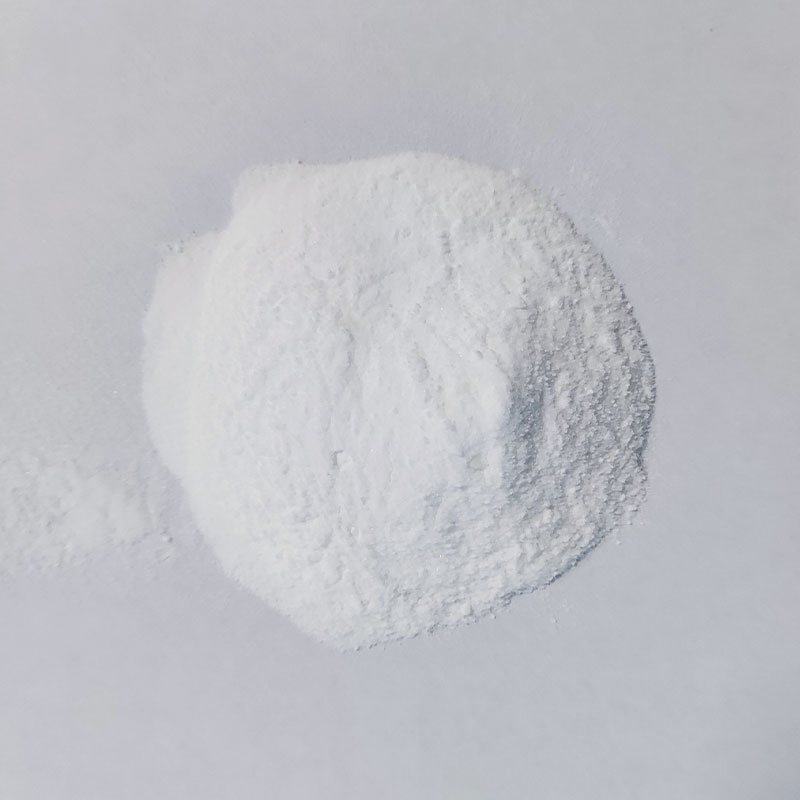
 Beta-Cypermethrin + Chlorpyrifos 9.5% EC InsecticideA customizable beta-cypermethrin plus chlorpyrifos EC for cotton bollworm, suited to knock-down and residual control at peak egg hatching.View Product →
Neonicotinoids are systemic nicotinic acetylcholine receptor competitive modulators (IRAC 4A). Whether applied as a seed treatment, a soil drench or a foliar spray, they move upward through the xylem, which is precisely why they reach the pests that contact insecticides miss: aphids, planthoppers, leafhoppers, whiteflies and thrips feeding in sheltered positions.
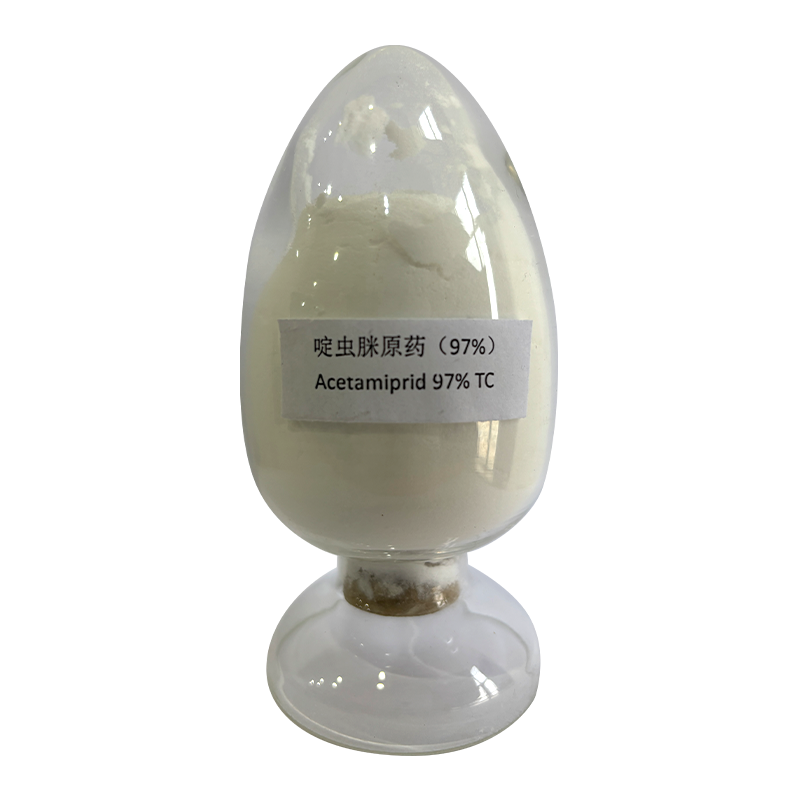
Typical technical-grade actives include imidacloprid at 96–98% TC, acetamiprid at 97% TC and dinotefuran at 95% TC. Their selling point is residual length and application flexibility — one soil application can hold a young crop for several weeks.
The constraints are equally well documented. Pollinator exposure during flowering is a genuine management issue. Soil applications raise groundwater questions in some regulatory jurisdictions. And selection pressure is fast: whitefly, brown planthopper and cotton aphid populations in repeated-use areas have shifted measurably. Cross-resistance inside group 4A is broad, so switching from imidacloprid to thiamethoxam is not a rotation — it is the same rotation partner twice.
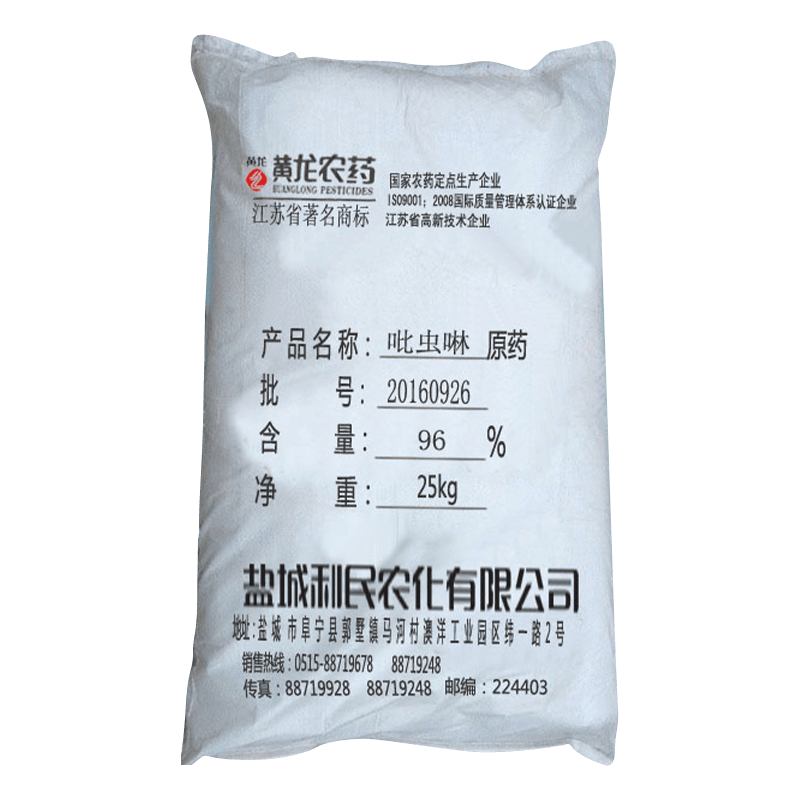 Imidacloprid 96–98% TC Insecticide Technical MaterialA 96–98% technical-grade nitromethylene insecticide for formulation manufacturing, not direct crop use, relevant amid neonicotinoid resistance concerns.View Product →
Organophosphates (IRAC 1B) and carbamates (IRAC 1A) share a mechanism: they inhibit acetylcholinesterase, so nerve signals are not switched off and the insect loses coordination and dies. Both are nerve poisons, both are broad-spectrum, and both are older chemistry with the regulatory history to match.
Representative actives include chlorpyrifos and triazophos among the organophosphates, and methomyl at 98% TC among the carbamates. Their advantages are speed, cost and spectrum: many of them combine contact, stomach and vapour activity, which makes them effective against both chewing and sucking pests, including species that have shrugged off pyrethroids.
The trade-offs sit on the safety and market side. Acute mammalian toxicity is higher than for most modern chemistry, so re-entry intervals and personal protective equipment requirements are stricter. Chlorpyrifos has been withdrawn from food uses in the European Union and restricted elsewhere, which means an export crop can lose its buyer even when the field result was excellent. Where labels still permit — rice, cotton and several horticultural programmes in Asia, Africa and Latin America — these actives remain genuinely useful, but they belong in a planned rotation, not as the default first choice.
Insect growth regulators attack the insect's development rather than its nerves, which is why they behave so differently from the first three types. Three mechanisms dominate: chitin synthesis inhibitors such as the benzoylureas (IRAC 15), juvenile hormone mimics (IRAC 7), and ecdysone receptor agonists such as tebufenozide (IRAC 18).
A fourth behaviour, feeding inhibition, is often grouped with them commercially. Pymetrozine (IRAC 9B) stops sap feeding within hours, long before the insect dies, and spirotetramat (IRAC 23) blocks lipid biosynthesis and moves both upward and downward in the plant, reaching immature stages on new growth that a contact spray would never coat.
The gains are selectivity for beneficial insects, low mammalian toxicity and an excellent fit inside integrated pest management and resistance-rotation programmes. The costs are timing and patience. There is no knock-down of adult insects, visible control takes three to seven days, and results collapse if the application misses the moulting window or lands after the population has already moved into adults. Tank-mixing a fast adulticide with a development disruptor is a common compromise — for example a pymetrozine and dinotefuran 60% WDG blend that combines feeding inhibition with systemic nerve activity.
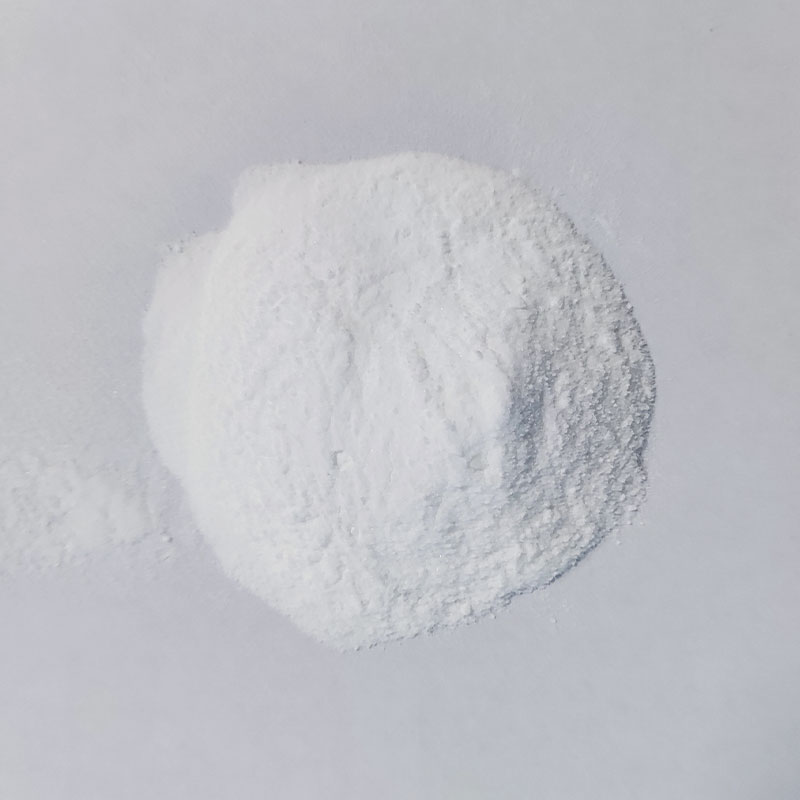 Spirotetramat TC Insecticide Technical ConcentrateA bidirectionally active technical concentrate for formulation manufacturing, with lipid-synthesis inhibition suited to IPM and resistance-rotation programmes, not direct crop use.View Product →
If someone insists the four types are contact, stomach, systemic and fumigant, they are not wrong — they are answering a different question, about how the product reaches the insect rather than what it is made of. Both frameworks belong in a spray plan, because timing and technique follow the entry route, while rotation and legal compliance follow the chemical family.
| Entry route | How it reaches the insect | Typical fit | Practical limits |
|---|---|---|---|
| Contact | Absorbed through the cuticle where the spray lands | Exposed chewing pests, fast intervention | Misses insects under leaves, in stems or in soil |
| Stomach | Swallowed with treated plant tissue | Leaf-chewing caterpillars and beetles | Requires even coverage and active feeding |
| Systemic | Uptaken by roots or leaves and translocated in the plant | Sucking pests in sheltered feeding sites, seed treatments | Slower onset; pollinator and groundwater considerations |
| Fumigant | Enters through spiracles as a vapour | Stored product, soil and enclosed spaces | Strict containment, training and re-entry rules |
Product selection is a sequence of filters, not a preference. Working through them in order prevents most of the expensive mistakes seen in season-end reviews.
Rotation is where the four-type list earns its keep. A defensible programme for a sucking pest complex might move from a neonicotinoid at establishment, to a pyrethroid or organophosphate combination at peak pressure, then to a feeding inhibitor or growth regulator while beneficial populations rebuild. Add a diamide or an avermectin for caterpillars, and the season contains four distinct modes of action without ever doubling up on one.
Buying insecticide chemistry is two separate transactions: technical-grade active and finished formulation. They have different specifications, different documentation and different risk profiles.
For technicals, ask for the assay range rather than a single purity figure, plus the impurity profile and a batch certificate of analysis. A supplier quoting imidacloprid at 96–98% TC and one quoting 98% flat are describing different quality bands, and the difference shows up in formulation stability months later. For finished products, verify registration status in the destination country, the declared active content in g/L or % w/w, and whether the formulation type matches your spray programme. Manufacturers with their own synthesis capacity usually control more of that chain, which shortens the distance between a batch problem and its correction.
Our insecticide technicals range covers neonicotinoids, pyrethroid combinations and growth-disruptor actives in commercial volumes, and our sourcing guide walks through the documentation buyers should request with every quotation.
The four types of insecticides — pyrethroids, neonicotinoids, organophosphates and carbamates, and insect growth regulators — are a vocabulary, not a ranking. What decides whether a season succeeds is whether the chosen product reaches the pest, fits the harvest calendar and the destination market, and sits in a rotation that does not repeat the same mode of action twice. Get those four things right, and the label on the bottle becomes the least interesting part of the decision.
Contact info.
 Tel: +0086(515)88719699
 Phone: +86-18261226148
 E-mail: limin@chinapesticides.com
 Add: 21F & 22F, Jinhang Fortune Building, No. 988 Luming Road, Yancheng City, Jiangsu Province, China
Im.&Ex. Departemt
Tel:+0086(515)88356821
E-mail:
lany@chinapesticides.comFollow Us
Copyright © Yancheng Limin Chemical Co., Ltd. All Rights
Reserved
 Wholesale Agrochemical Manufacturers