 EN
EN
 English
  中文简体
中文简体
Home / News / Industry News / Natural Pesticides for Plants: Working Solutions for a Safer, Effective Pest Program
Industry News
Content
Every growing season, the same question arrives with the first wave of aphids or the first white spot of powdery mildew: what can I spray that is effective but not harsh? The search for a natural pesticide for plants usually starts with a specific symptom - curled lettuce leaves, sticky honeydew on citrus, holes chewed through cabbage - and one bottle from the kitchen cupboard that promises a quick fix. Some of those fixes work, some do nothing, and a few make the problem worse. The difference is not whether the product label says natural. The difference is whether the material matches the pest, the crop, the level of pressure, and the timing.
This guide is written for home gardeners, greenhouse operators, and commercial growers who want to use the lowest-risk effective option first, understand which natural pesticide approaches actually hold up under real conditions, and know when a professional registered product is the responsible next step. It separates genuine plant-protection science from folklore, gives practical thresholds for spraying or not spraying, and shows how to build a program that keeps plants healthy without relying on harsh chemistry every week.
The word natural covers an extremely wide spectrum, and that vagueness causes most of the confusion. In commercial agriculture, a natural pesticide for plants can mean a crushed garlic extract that repels aphids for a few hours, a refined neem oil that interrupts insect moulting for a week, a copper spray that protects tomato vines from bacterial spot, or a strobilurin fungicide synthesized in a factory but copied from a compound originally isolated from a wild mushroom. All of these are described as natural somewhere in their marketing history, yet they behave completely differently in the field.
Regulators do not use the term natural as a safety classification. Organic certification programs define what materials certified growers may use, but those lists also permit materials that can harm bees or accumulate in soil if misused. The practical conclusion is simple: natural origin guarantees neither safety nor effectiveness. What it does guarantee is a starting point, and the grower's job is to understand which category of natural material fits which problem.
In practical terms, the products and recipes you will encounter fall into five groups. Each group has a different mode of action, a different residual life, and a different set of risks.
| Category | How it works | Example active ingredients | Watch-outs |
|---|---|---|---|
| Botanical extracts | Repel, deter, or disrupt insect feeding and moulting | Neem oil (azadirachtin), pyrethrins, clove and rosemary oils | UV light breaks them down quickly; pyrethrins are toxic to bees and fish; frequent re-application needed |
| Microbial agents | Infect the pest or out-compete the disease organism | Bacillus thuringiensis, Beauveria bassiana, Bacillus subtilis, kasugamycin | Must be ingested or contact the right life stage; timing is critical; most are highly specific |
| Mineral materials | Create a barrier, abrade the pest, or shift leaf-surface chemistry | Sulfur, fixed copper, potassium bicarbonate, diatomaceous earth | Phytotoxicity in heat; copper accumulates in soil; sulfur must not be mixed with oil sprays |
| Oils and soaps | Smother insects or dissolve the waxy protective layer on soft-bodied pests | Horticultural oil, insecticidal soap (potassium salts of fatty acids) | Complete coverage required; leaf burn possible in hot sun; repeat applications are expected |
| Nature-derived synthetic analogs | Block a specific enzyme pathway in the pathogen or pest | Azoxystrobin, pyraclostrobin, and other strobilurin fungicides | Single-site action creates real resistance risk; always rotate with another mode of action |
A natural pesticide for plants is ultimately a tool, not a philosophy. The successful grower treats it with the same discipline as any other input: identify the target, read the label or recipe, understand the residual period, and re-apply only when monitoring says it is necessary.
Homemade sprays are the first stop for most gardeners, and that is reasonable. A few of them demonstrably work for minor problems. But it is worth stating the conclusion up front: pantry chemistry rarely gives consistent results, and some popular recipes cause more plant damage than the pest ever would.
A manufactured pesticide is precise. Its active ingredient concentration, solvent system, surfactant package, and particle size are measured, tested, and printed on the label. A homemade spray has none of that certainty. One tablespoon of chili powder varies in capsaicin content depending on the variety, the season, and the mill. Neem extract bought from a health-food shop may contain almost no azadirachtin if it was pressed from old seeds and exposed to light. Garlic tea made by steeping cloves overnight has a completely different concentration from one steeped for two hours. When you cannot measure the active ingredient, you cannot adjust the dose to the pest pressure or the crop sensitivity.
Even with the right ingredient, homemade mixtures usually fail at the level of physics rather than chemistry. Oil and water separate minutes after you shake the bottle. Residue blocks the nozzle. Soap breaks down the oil into uneven droplets so that one leaf receives a smothering dose and the next receives nothing. Professional formulations use emulsifiers, wetting agents, anti-foaming compounds, and stabilizers so that the spray covers the leaf surface uniformly and the active ingredient stays suspended long enough to be applied. This is not marketing complexity; it is the difference between a product that works and a liquid that looks the same but separates in the tank.
The most common homemade recipe casualties are not pests but leaves. Dish soap is designed to strip grease from plates, which means it strips the waxy cuticle that protects plant leaves from water loss. When sprayed in direct sunlight or at high concentration, it causes burn spots that scar the leaf and open an entry route for disease. Vinegar, often recommended as an all-purpose spray, is acetic acid; at horticulturally useful insecticidal concentrations it can scorch foliage, and at weed-killing concentrations it kills whatever it touches, including the plants you want to keep. Sulfur mixed with oil, or applied too close to an oil spray, produces a chemical reaction that can burn young growth badly. Every one of these failures is avoidable if the grower understands the ingredient and the conditions, but that knowledge is exactly what a crowded recipe blog rarely provides.
None of this means the kitchen cupboard is useless. For small, early infestations on a few plants, a well-made soap-and-oil spray or a garlic-chili repellent can knock a pest population back long enough for natural enemies to establish. The correct mental model is first aid, not therapy. Use DIY sprays when:
If any of those conditions is absent, a registered product with a known concentration and a tested formulation is the safer and more honest choice.
The most interesting development in crop protection over the past three decades is not the invention of harsher chemistry. It is the opposite: some of today's most widely used professional products began as discoveries in a forest, a soil sample, or a botanical garden. When a naturally occurring compound shows promising activity, chemists identify its structure, improve its stability, and then manufacture it to pharmaceutical-grade consistency. The result sits between the strict meaning of natural and the strict meaning of synthetic, and it is often the best tool available.
In the late 1970s, scientists in Germany isolated a compound from Strobilurus tenacellus, a small mushroom that grows on fallen pine cones. That compound, strobilurin A, was too fragile for field use, but it proved that nature had already solved the problem of stopping fungal respiration. Chemists modified the molecule to make it stable in sunlight and rain, and the strobilurin fungicide family was born. Today azoxystrobin and pyraclostrobin are among the most widely used fungicide actives in the world because they combine a natural origin with the reliability growers demand.
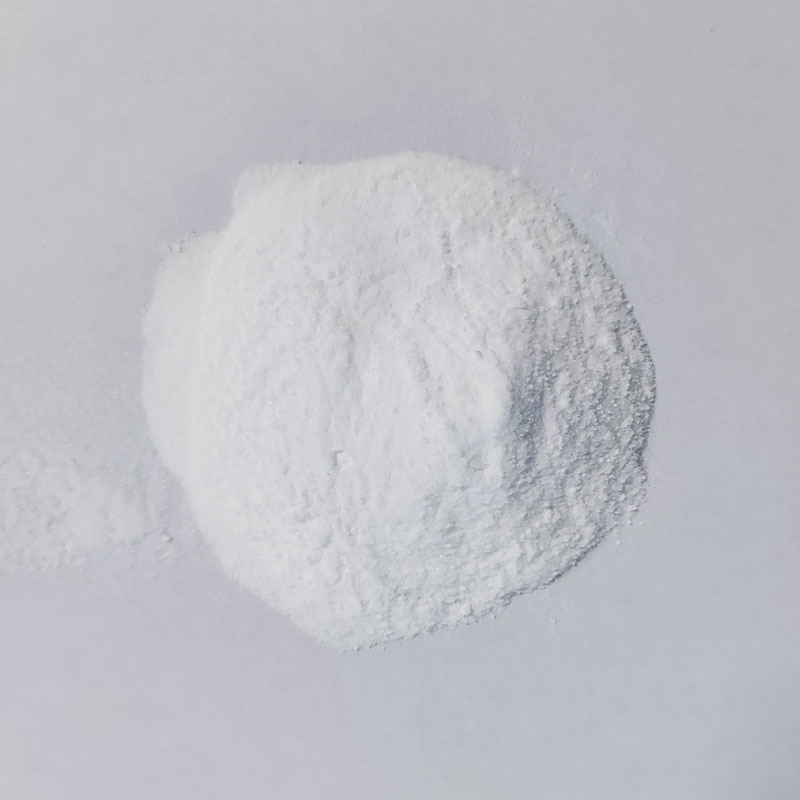 Azoxystrobin 96-98% Technical Concentrate for Broad-Spectrum Fungal ControlThis technical grade azoxystrobin is the active ingredient behind many preventive fungicides. Its systemic action and broad efficacy against major fungal classes make it a key option when building a resistance-management rotation program.View Product →
Strobilurins work by blocking the QoI site in the fungus's mitochondrial respiration chain. In plain terms, the fungus effectively suffocates at the cellular level within hours of absorbing the molecule. They are preventive and early-curative, move systemically in the plant, and provide weeks of protection when applied correctly. The single most important operational rule is resistance management: strobilurins are a single-site chemistry, and fungi can adapt to them within a few seasons if they are used alone. Professional practice, therefore, always pairs a strobilurin with a different mode of action, either as a tank mix or a pre-formulated co-formulation.
Another quiet natural success story is kasugamycin. It was discovered in Japan in the 1960s, produced by a soil bacterium called Streptomyces kasugaensis. Unlike broad-spectrum antibiotics used in human medicine, kasugamycin has a narrow and highly useful agricultural profile: it controls rice blast and a range of bacterial and fungal diseases with very low mammalian toxicity. It is translocated into plant tissues, which gives it a degree of systemic protection that contact botanicals cannot match.
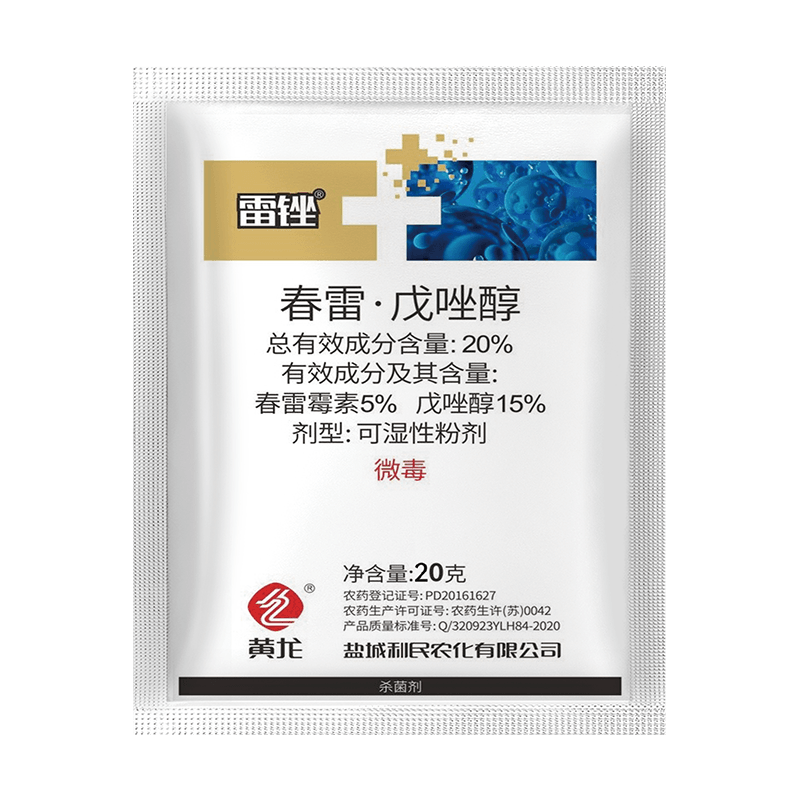 Kasugamycin Plus Tebuconazole Wettable Powder for Rice BlastA registered co-formulation pairing a natural agricultural antibiotic with a triazole partner. It offers two modes of action in one product, supporting resistance management while providing protective and curative control of rice blast.View Product →
Agricultural use of kasugamycin has continued for more than fifty years precisely because it is a natural molecule that performs a specific job well. When combined with a triazole partner such as tebuconazole in a formulated product, it offers the grower two modes of action in one application, which slows the development of resistant pathogen populations. Products of this type are closer to the original natural compound than many consumers realize, and their track record demonstrates that natural origin does not prevent a molecule from being manufactured to professional standards.
Alongside these nature-derived synthetic families, a set of unmodified natural materials remains genuinely useful. Pyrethrins, extracted from Chrysanthemum cinerariifolium, deliver fast knockdown of a wide range of insects but degrade quickly in sunlight, which limits their residual value. Neem oil, containing azadirachtin, disrupts moulting in immature insects and repels adults, making it a reasonable rotation partner for soft-bodied pests. Bacillus thuringiensis (Bt) is a soil bacterium whose protein crystals kill specific insect larvae after ingestion; it is the most successful biological insecticide ever commercialized, particularly against caterpillar pests. Spinosad, produced by a soil bacterium, controls thrips, caterpillars, and leafminers with less impact on most beneficial insects once the spray residue dries. Each of these materials has a niche, and each has a weakness; the grower who understands the whole spectrum of natural and nature-derived options is the grower who avoids both the disappointment of a failed home remedy and the overuse of a broad-spectrum product. The path from a raw active to a finished crop protection product is rarely visible to the end user, but it determines nearly everything about spray performance, and this complete guide from raw actives to global crop protection explains why that journey matters.
Rather than memorizing recipes, the most reliable approach is to learn the short list of proven natural tools for each common pest and disease group, then apply them with correct timing and coverage. The conclusion first: contact materials such as soap, oil, and potassium bicarbonate are excellent for early, localized problems; microbial agents such as Bt are excellent for caterpillars when they are small; and for rapidly spreading fungal diseases, prevention with mineral or copper products beats any attempt to cure after symptoms appear.
Soft-bodied insects are the easiest targets for natural sprays because their outer cuticle is fragile. Insecticidal soap and horticultural oil work by contact: soap disrupts the cell membranes of the insect, while oil blocks the breathing spiracles. Both require direct hit, so the undersides of leaves and the growing points must be sprayed thoroughly. A practical program is to apply at five to seven day intervals, alternating soap and oil so the pest is exposed to two different physical modes of action. Spider mites, which are not insects but arachnids, respond well to the same treatment, especially when humidity is raised by watering around the plants. Avoid spraying in mid-afternoon heat, because the same physical disruption that kills the mite can also damage leaf tissue above roughly 30 C (86 F).
For cabbage loopers, hornworms, and other leaf-chewing caterpillars, Bacillus thuringiensis is the natural pesticide with the best track record. The caterpillar must eat leaves coated with the Bt protein, so thorough coverage of the foliage is essential, and the larva must be young; large caterpillars have enough body mass to survive until the toxin takes effect. Treat as soon as feeding damage appears, and re-apply after heavy rain because Bt degrades in sunlight and washes off easily. Spinosad is the stronger follow-up option when Bt is not enough, particularly for thrips, which are too small and too protected in flower buds for a simple soap spray to reach.
For powdery mildew, potassium bicarbonate is the most practical natural option. It changes the pH on the leaf surface, which the mildew fungus cannot tolerate. Start at the first white spot, spray every seven to ten days, and use a spreader-sticker so the material stays on the leaf. Sulfur is stronger and longer-lasting, but it has two hard limits: it must be used before infection is established, and it may burn foliage when the temperature exceeds 28 C (82 F). For downy mildew, late blight, and bacterial spots, fixed copper is the standard natural-derived preventive. Copper is strictly protective, not curative, so it must be on the leaf before the pathogen arrives or before a rainy period begins. When disease pressure is already visible, mineral options mostly disappoint, and a registered synthetic fungicide with systemic activity is usually the difference between saving the crop and losing it.
| Target | First-choice natural option | Application cues | When to escalate |
|---|---|---|---|
| Aphids, whiteflies, soft scales | Insecticidal soap or horticultural oil | Spray leaf undersides every 5 to 7 days while pests are active | More than 25 percent of new shoots infested; colonies persist under leaves after two sprays |
| Spider mites | Horticultural oil, neem oil | Apply early morning or evening in cool weather; keep temperature below 29 C | Webbing visible on growing points; leaf stippling covers more than a third of the foliage |
| Caterpillars | Bacillus thuringiensis (Bt kurstaki) | Treat small, actively feeding larvae; re-apply after rain | Larvae larger than 2 cm appear, or a second hatch starts before the first generation is controlled |
| Powdery mildew | Potassium bicarbonate, sulfur, or neem oil | Begin at the first white spot; spray every 7 to 10 days; avoid sulfur above 28 C | Mildew covers more than 10 percent of leaf area or spreads into new growth daily |
| Downy mildew and blights | Fixed copper (preventive only) | Apply before wet weather; repeat at the label interval | The first lesion appears, or the forecast predicts prolonged leaf wetness in a susceptible crop |
| Slugs and snails | Iron phosphate granules | Bait around plant bases in the evening; refresh after irrigation | Continuous damage at crown level even after two bait cycles |
Whatever natural pesticide for plants you choose, the difference between success and failure is usually found in the sprayer. Nozzle type, spray pressure, water volume, leaf coverage, and the time of day all change the outcome more than the brand name does. Spray the underside of leaves when the target lives there. Calibrate so that the canopy is wet to the point of drip but not running off. Spray early in the morning or late in the evening to avoid rapid drying and leaf burn. Keep records of what you applied, when, and what the weather did afterward; without records, every season starts from zero and the same mistakes are repeated.
The hardest decision in plant protection is not choosing a product. It is admitting that the current product is not working. Natural pesticides, especially contact materials, have real limits, and pretending otherwise costs crops. The professional rule is to set a threshold before the season starts and to act when the threshold is crossed, rather than waiting until the damage is obvious.
Thresholds are the conversational language of integrated pest management. A practical home-scale example: inspect twenty randomly selected leaves across ten plants each week. If twenty-five percent of those leaves carry aphid colonies and natural predators are not increasing, spraying with soap or oil is justified. For mites, the threshold is often expressed as the percentage of leaf area damaged; once stippling covers a third of the older leaves, natural contact sprays become unreliable because the population is too dense and the mites are sheltering in protected sites. For caterpillars on vegetable brassicas, a simple action level of one egg mass or one small larva per two plants triggers a Bt application, because Bt is only efficient when larvae are young.
Under dry, low-pressure conditions, a good natural pesticide for plants is perfectly adequate. Under prolonged wet weather, high humidity, and fast growth, fungal diseases double every two to three days. No contact natural material can outpace a late-blight epidemic once the pathogen is established. The honest conclusion is that preventives only work before the event. If the forecast says wet, use a protective copper or a systemic registered fungicide before the rain, not after the symptoms appear. Trying to cure a spreading fungal infection with a strictly preventive natural material is a waste of time and money, and it allows the pathogen to advance into the fruit or tuber.
A widespread assumption is that natural products cannot cause resistance because they are multi-site or physical in action. That assumption is false for several popular materials. Diamondback moth populations in many regions have developed reduced susceptibility to Bt after years of repeated use. Greenhouse whiteflies have shown reduced responses to neem products in some pest populations. Any pesticide that works through a single biochemical pathway, whether its origin is a bacterium, a flower, or a laboratory, selects for resistance when it is used repeatedly and exclusively. The solution is the same as with synthetic chemistry: rotate modes of action, use non-chemical controls, and reserve every active ingredient for situations where it is actually needed.
When the threshold is crossed and a professional product is required, the buyer faces a choice that is nearly as important as the active ingredient: who manufactured it, and how well was it formulated? There is a meaningful difference between a technical active ingredient and a finished crop protection product, and the quality of both determines field performance.
The first check is always the label. A legitimate product carries a registration number, the exact percentage of each active ingredient, the signal word for toxicity, the personal protective equipment required, the pre-harvest interval, and the restricted-entry interval. If any of these is missing or vague, the product does not belong in your program, regardless of how natural or powerful the active ingredient claims to be. Buyers in export markets should also verify that the product meets the pesticide residue standards of the destination country. This is not bureaucracy; it is the difference between a crop that can be sold and a crop that is rejected at the port.
Formulation technology is the invisible science that determines whether an active ingredient works. A suspension concentrate must suspend particles evenly in the tank; a wettable granule must disperse quickly without clumping; an emulsion must hold oil droplets stable long enough to be sprayed. Poor formulation leads to blocked nozzles, uneven deposits, and repeated spray failures that no amount of extra product can fix. One practical test for a suspension concentrate is to mix it according to the label in a clear glass container and watch it over a few minutes: a quality product disperses readily and leaves no large clots. When evaluating a pyraclostrobin suspension concentrate as a preventive tool in a rotation program, the suspension quality is exactly what separates a reliable spray from a frustrating one.
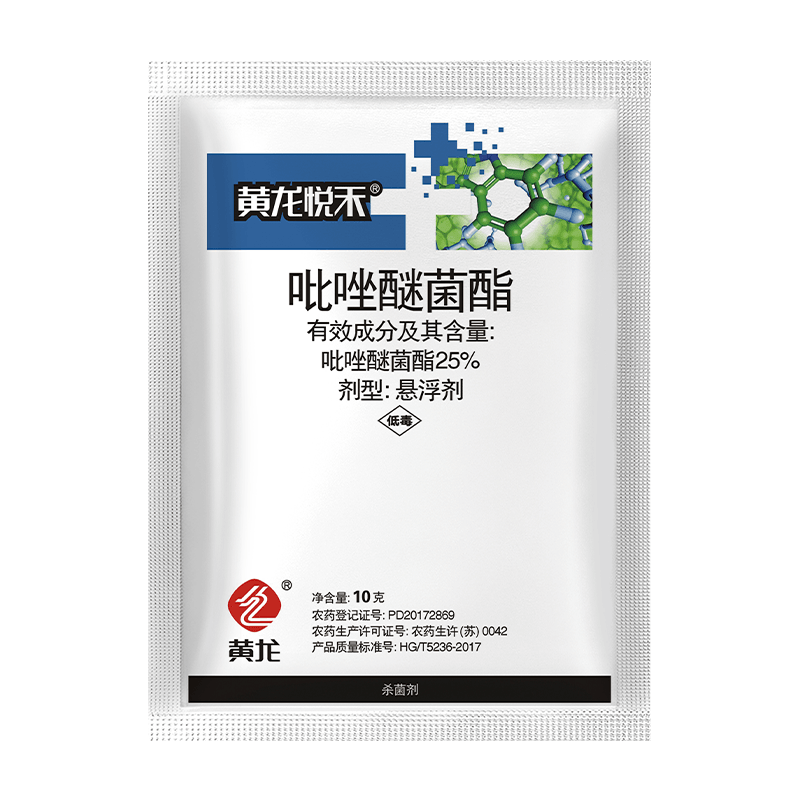 Pyraclostrobin 25% Suspension Concentrate for Preventive SpraysThis ready-to-use suspension concentrate delivers pyraclostrobin with strong permeability and rainfastness. Its formulation quality affects spray reliability, making it a practical choice for preventive disease control in rotation programs.View Product →
The largest opportunity for quality differences sits further up the supply chain, in the technical production of the active ingredient itself. A maker that controls synthesis from intermediate to technical active to finished formulation can guarantee consistency in a way a trader mixing generic powders cannot. Our own company illustrates this integrated model. Yancheng Limin Chemical Co., Ltd. has operated since 1986 and now runs two production bases, one in Funing county in Jiangsu province and one in Panjin in Liaoning province, with in-house synthesis covering the triazole intermediates used throughout its fungicide lineup. That vertical integration means the product you receive is traceable to a specific manufacturing line rather than to an anonymous brokerage, and the difference is visible in batch-to-batch consistency. A fuller look at our production history and company structure explains why buyers in more than a dozen markets use us as a technical and formulation source.
It also pays to ask suppliers the same questions you would ask any serious manufacturer: What internal quality tests does each batch pass? What is the shelf life under tropical storage conditions? Do you provide a certificate of analysis with every shipment? Can you supply samples for sedimentation and emulsion stability testing before the purchase order is signed? The answers separate a chemical company from a repackaging operation, and it is the level of diligence that experienced procurement teams apply before any large order.
The common thread in every successful approach is the same: choose prevention first, monitor relentlessly, use the softest effective tool early, and switch to a stronger registered product only when the threshold says so. A natural pesticide for plants is one ingredient in that program, not the program itself.
Most outbreaks are driven by conditions that no spray can fix. Overcrowded plants trap humidity and shade, creating the microclimate where mildew and mites flourish. Watering late in the day keeps leaves wet through the night, which is an open door for fungal spores. Removing infected debris and rotating plant families breaks disease cycles. Weak plants fed poorly or stressed by drought are attacked first. Getting these basics right reduces the need for any pesticide, natural or otherwise, more than any spray ever could.
Natural enemies are the most underused pest management tool in both gardens and farms. Ladybird larvae consume hundreds of aphids. Parasitic wasps lay eggs inside whiteflies and caterpillars. Predatory mites hunt spider mites. The way to support them is to avoid broad-spectrum sprays, choose selective materials when intervention is necessary, and plant flowering borders that provide nectar for adult beneficials. This is also the strongest argument for the natural-first approach: contact soaps, oils, Bt, and most microbial products spare the beneficial complex far better than a synthetic broad-spectrum insecticide does.
Whether you are using neem oil in a home garden or azoxystrobin in a commercial field, rotation is not optional. Group pesticides by their mode of action and avoid using the same group more than twice consecutively. In practical terms, that means alternating soap with oil for mites, Bt with spinosad for caterpillars, and strobilurins with triazoles for fungal disease control. The record sheet does not need to be elaborate: date, crop, target, product, dose, weather, result. After two seasons, those records become the best agronomic advisor you have, because they show which interventions worked in which weather pattern and which ones simply made you feel busy.
The professional habit is to plan protection from harvest backward. Know the crop's sensitive stages, the local disease calendar, and the likely pest arrival windows. A single well-timed preventive application in a period of high disease risk is worth more than five curative sprays applied after the infection is visible. For each key window, decide in advance which tool will be used if monitoring triggers action, and have it in stock. That planning is what separates growers who control pests from growers who merely react to them.
The search for a natural pesticide for plants is really a search for confidence: confidence that the spray in the tank will help, will not harm the crop, and will not damage the wider garden or farm. The route to that confidence is not a single miracle bottle. It is a short list of proven materials, an honest understanding of their limits, and the discipline to use each one only when monitoring says it is needed. Start with prevention, keep the natural options ready for early and localized problems, and choose a registered product with a strong formulation, a verified manufacturer, and a clear label when the threshold is crossed.
The best growers are not the ones with the most products on the shelf. They are the ones who know exactly why each product is there, what it can do, and when it is not the right answer. That knowledge is the most effective pesticide, at any price.
Contact info.
 Tel: +0086(515)88719699
 Phone: +86-18261226148
 E-mail: limin@chinapesticides.com
 Add: 21F & 22F, Jinhang Fortune Building, No. 988 Luming Road, Yancheng City, Jiangsu Province, China
Im.&Ex. Departemt
Tel:+0086(515)88356821
E-mail:
lany@chinapesticides.comFollow Us
Copyright © Yancheng Limin Chemical Co., Ltd. All Rights
Reserved
 Wholesale Agrochemical Manufacturers