
 EN
EN
 English
  中文简体
中文简体 Potassium Phosphate Monobasic Custom
A procurement manager in northern Jiangsu opens a quotation sheet for a 20-hectare vegetable programme and sees four lines: a pyrethroid blend, a neonicotinoid...
READ MORE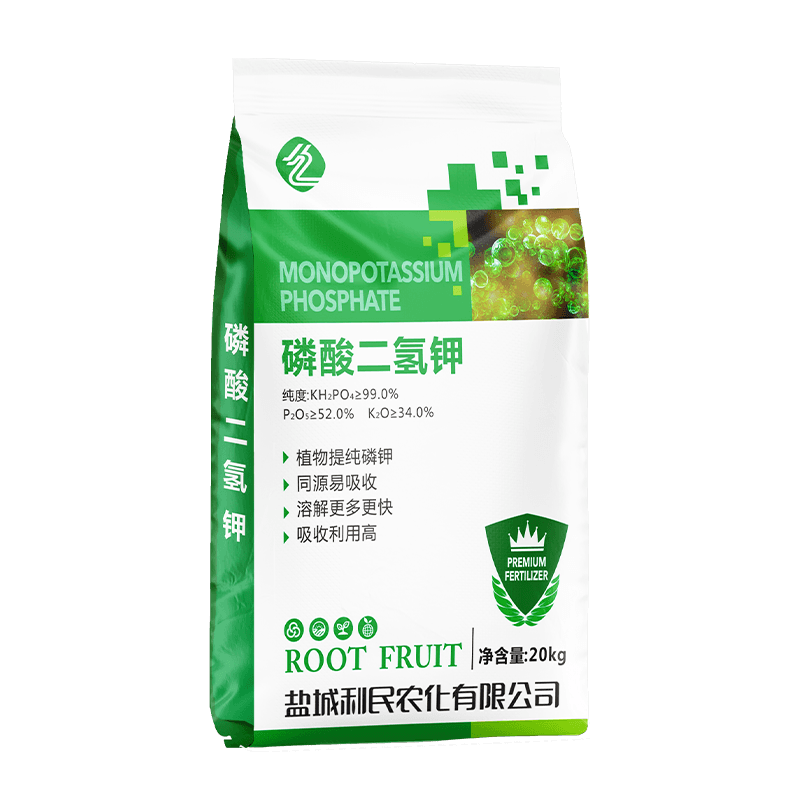
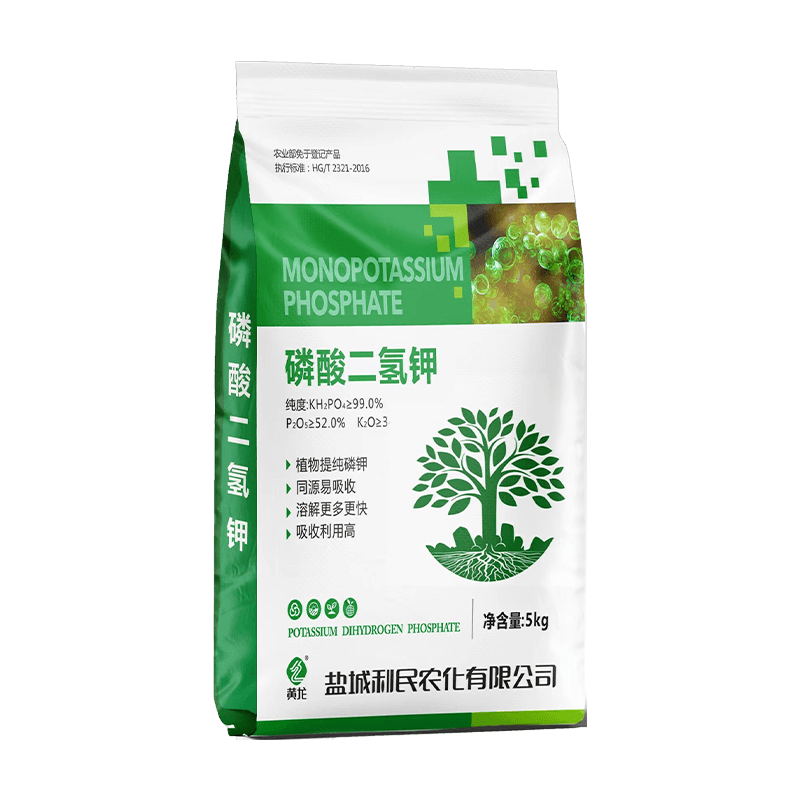
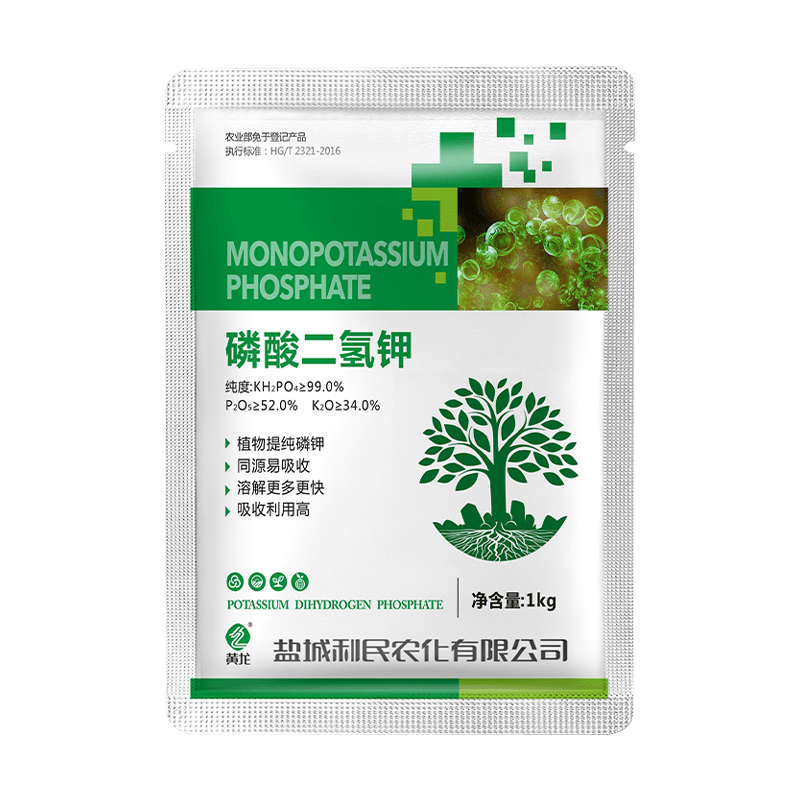
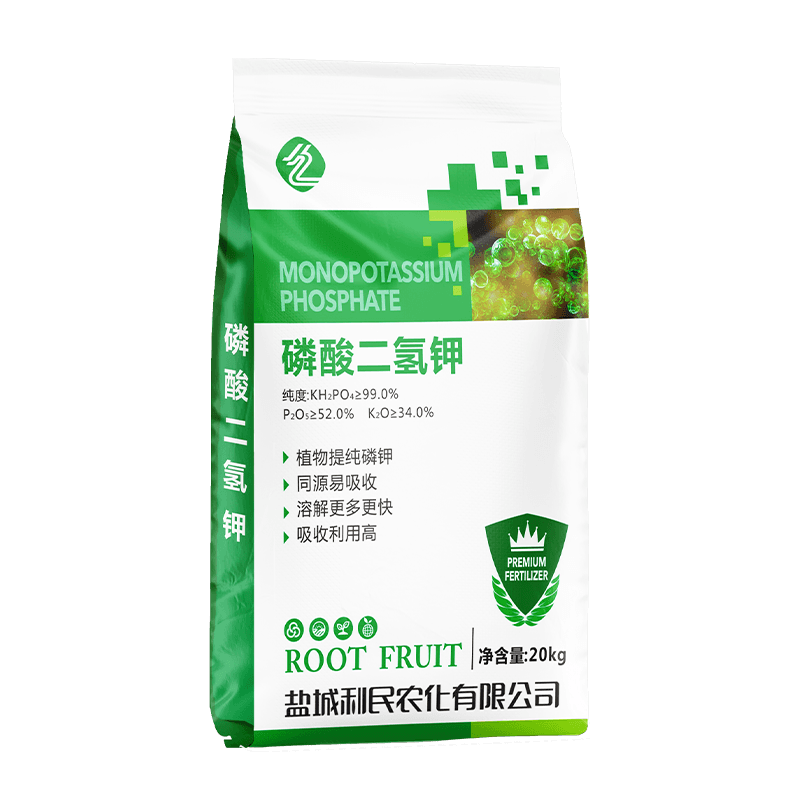
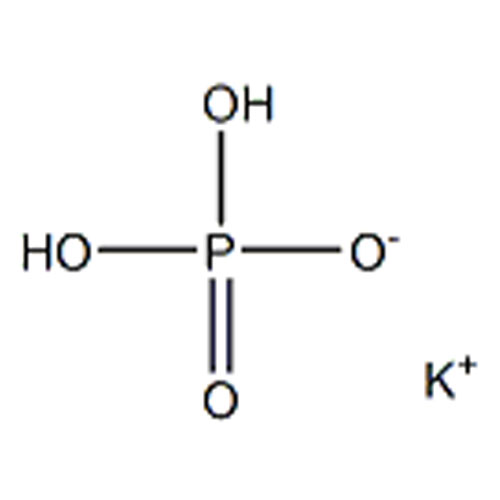
Molecular formula: H2KO4P
Molecular weight: 136.085541
CAS number: 7778-77-0
Physical and Chemical Properties:
This is a high-concentration phosphorus and potassium compound fertilizer, appearing as colorless to white crystals or crystalline powder, and is odorless. It contains 52% P2O5 and 34% K2O. It has low hygroscopicity, good physical properties, and is readily soluble in water, dissolving 23g per 100ml of water at 20°C. The aqueous solution is acidic.
Uses:
1. Promotes nitrogen and phosphorus absorption. Potassium dihydrogen phosphate promotes nitrogen and phosphorus absorption by crops, rapidly replenishing phosphorus, increasing crop yield and thousand-grain weight, and plays a special role during specific physiological periods of crops.
2. Promotes photosynthesis. Potassium enhances crop photosynthesis during growth, accelerating nutrient production and conversion.
3. Improves crop resistance to stress. Potassium dihydrogen phosphate can improve crop resistance to stresses, such as drought, resistance to dry hot winds, waterlogging, frost resistance, wound healing, and resistance to pathogens.
4. Improves fruit quality. Spraying during the fruit expansion period can help preserve and strengthen fruit, promote fruit expansion, improve fruit quality, increase color, and enhance taste.
5. Regulate balanced crop growth. Potassium dihydrogen phosphate acts as a regulator, promoting flower bud differentiation, increasing the number of flowers, strengthening flower buds, strengthening flowers and preserving fruit, and improving fruit set. It also effectively promotes root growth and development.
Structural formula

Year of Industry Experience
Varieties of Pesticides
Core Patents
Products to Serve Countries
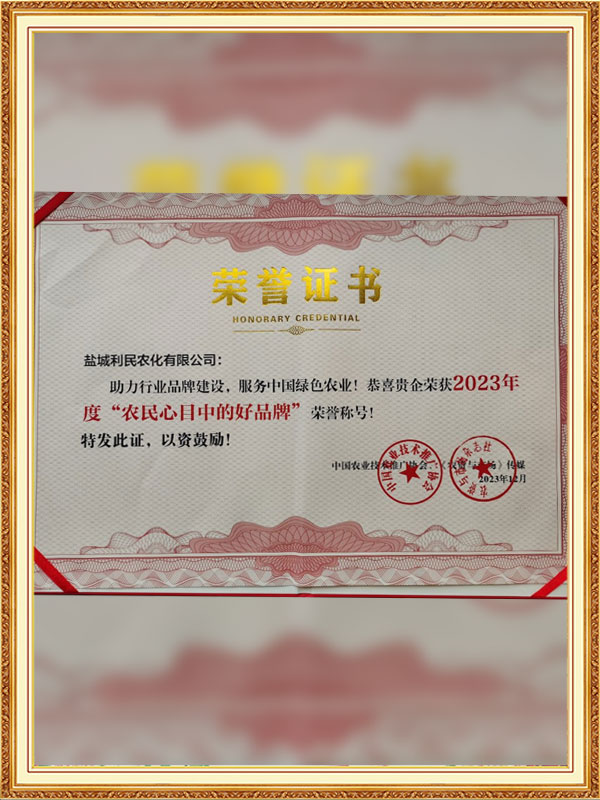
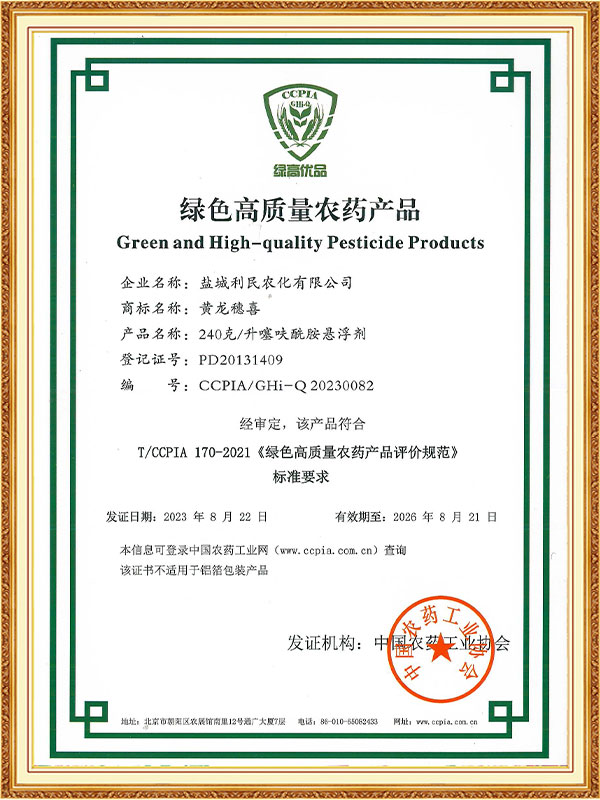
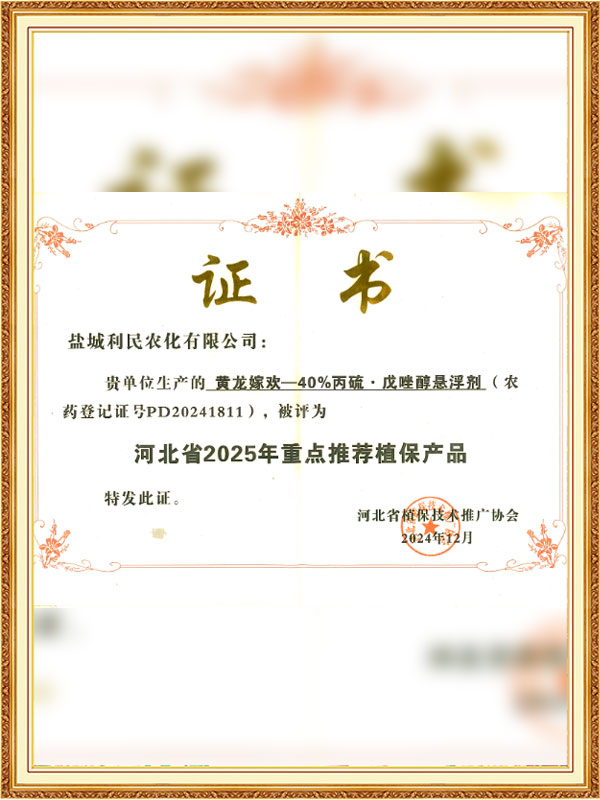
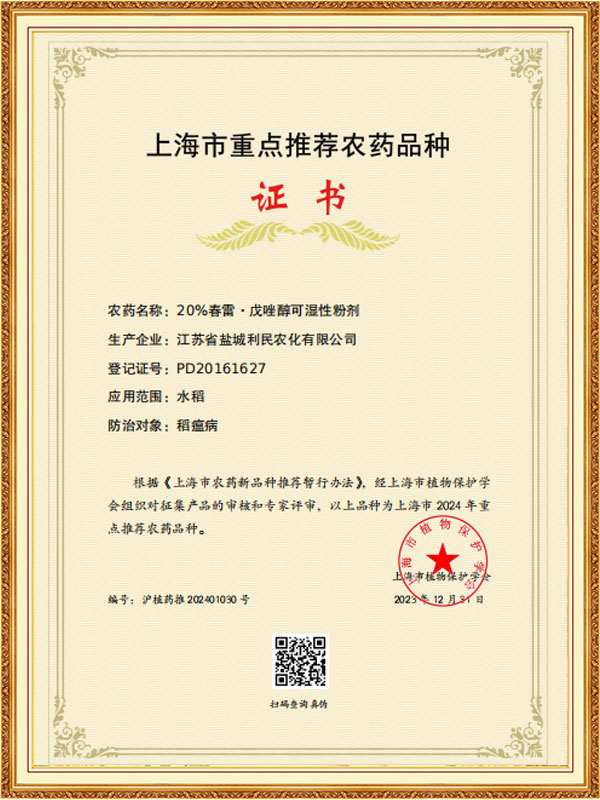
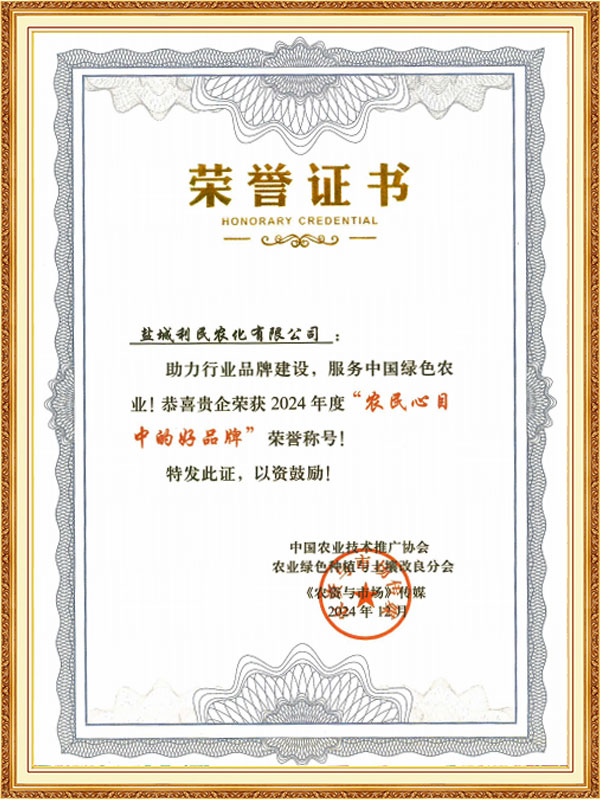
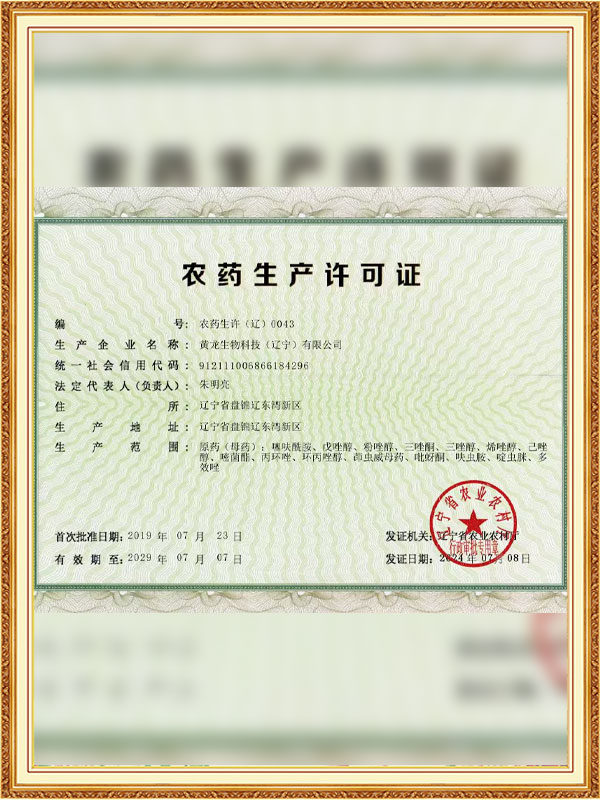
We have independent intellectual property rights of efficient green pesticide new products, by the State Intellectual Property Office awarded the "national intellectual property advantage enterprise"
A procurement manager in northern Jiangsu opens a quotation sheet for a 20-hectare vegetable programme and sees four lines: a pyrethroid blend, a neonicotinoid...
READ MOREIf a procurement team asks which liquid pesticide formulation can approach 100% active ingredient, the honest answer is that few registered end-use liquids rea...
READ MOREOpen a label in any agrochemical warehouse and the first thing a new buyer reads is the name of the active ingredient. Ten minutes later, the same buyer is loo...
READ MOREEvery growing season, the same question arrives with the first wave of aphids or the first white spot of powdery mildew: what can I spray that is effective but...
READ MOREYou have just prepared a batch of water-dispersible granules with a new active ingredient. The granules break apart beautifully in the beaker within thirty sec...
READ MOREContact info.
 Tel: +0086(515)88719699
 Phone: +86-18261226148
 E-mail: limin@chinapesticides.com
 Add: 21F & 22F, Jinhang Fortune Building, No. 988 Luming Road, Yancheng City, Jiangsu Province, China
Im.&Ex. Departemt
Tel:+0086(515)88356821
E-mail:
lany@chinapesticides.comFollow Us
Copyright © Yancheng Limin Chemical Co., Ltd. All Rights
Reserved
 Custom Potassium Phosphate Monobasic Factory